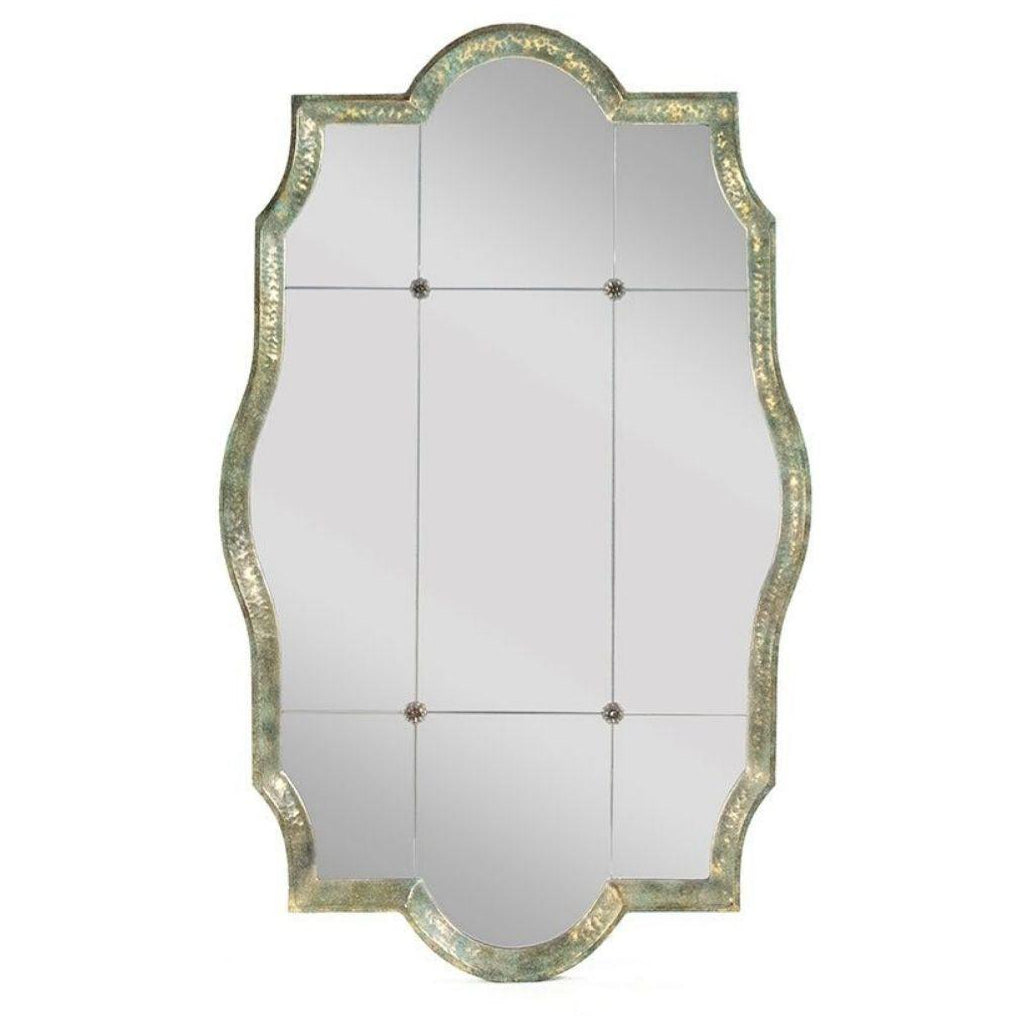
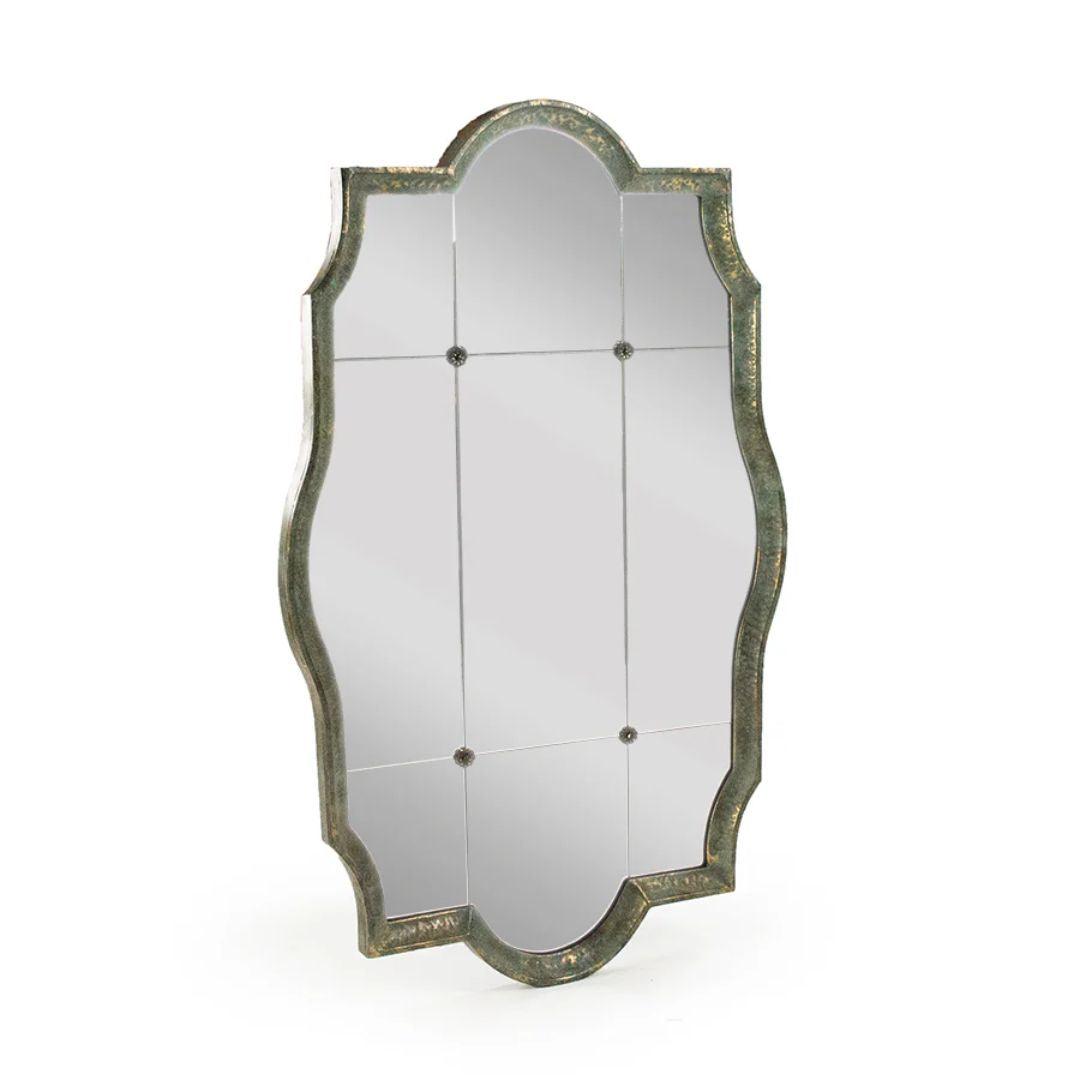
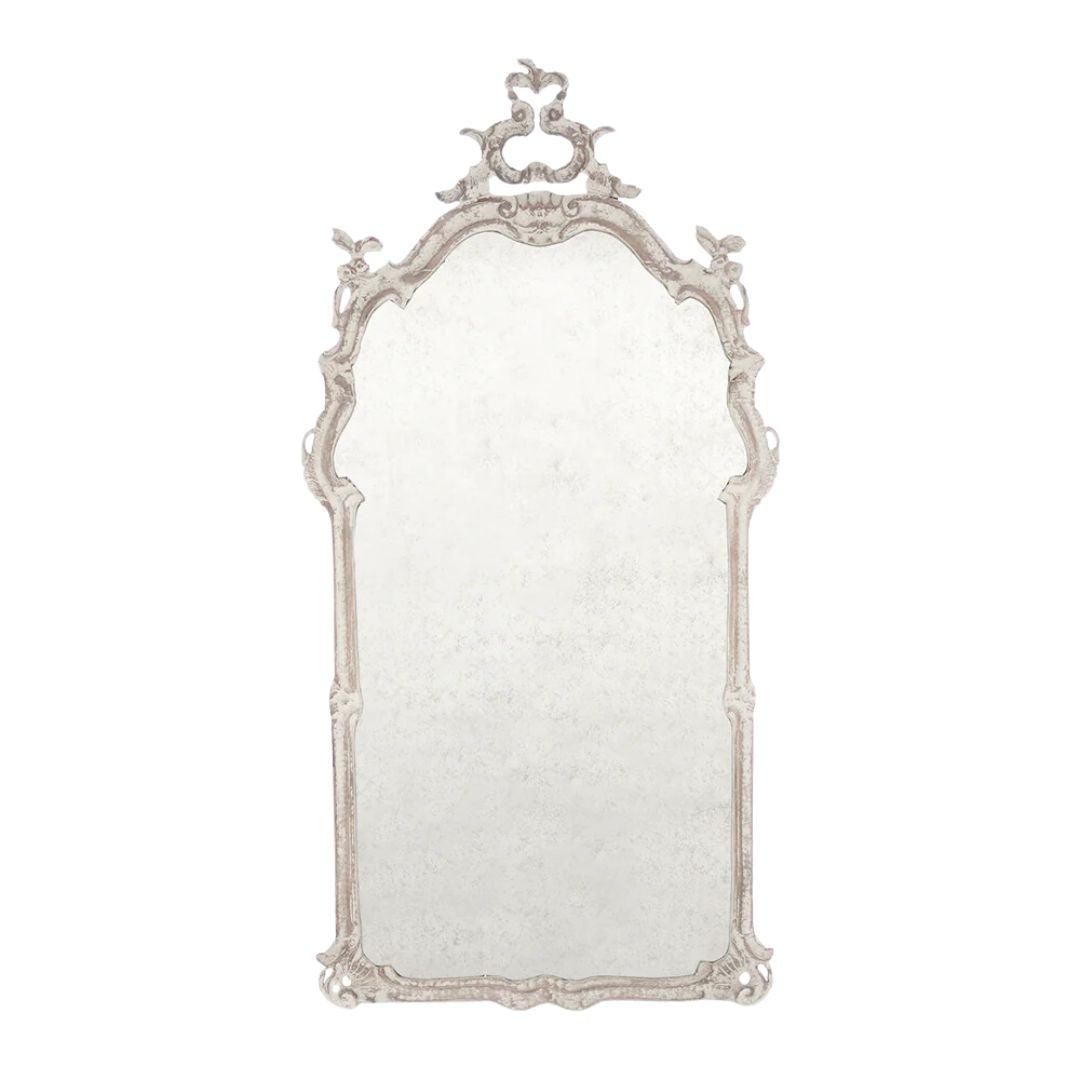
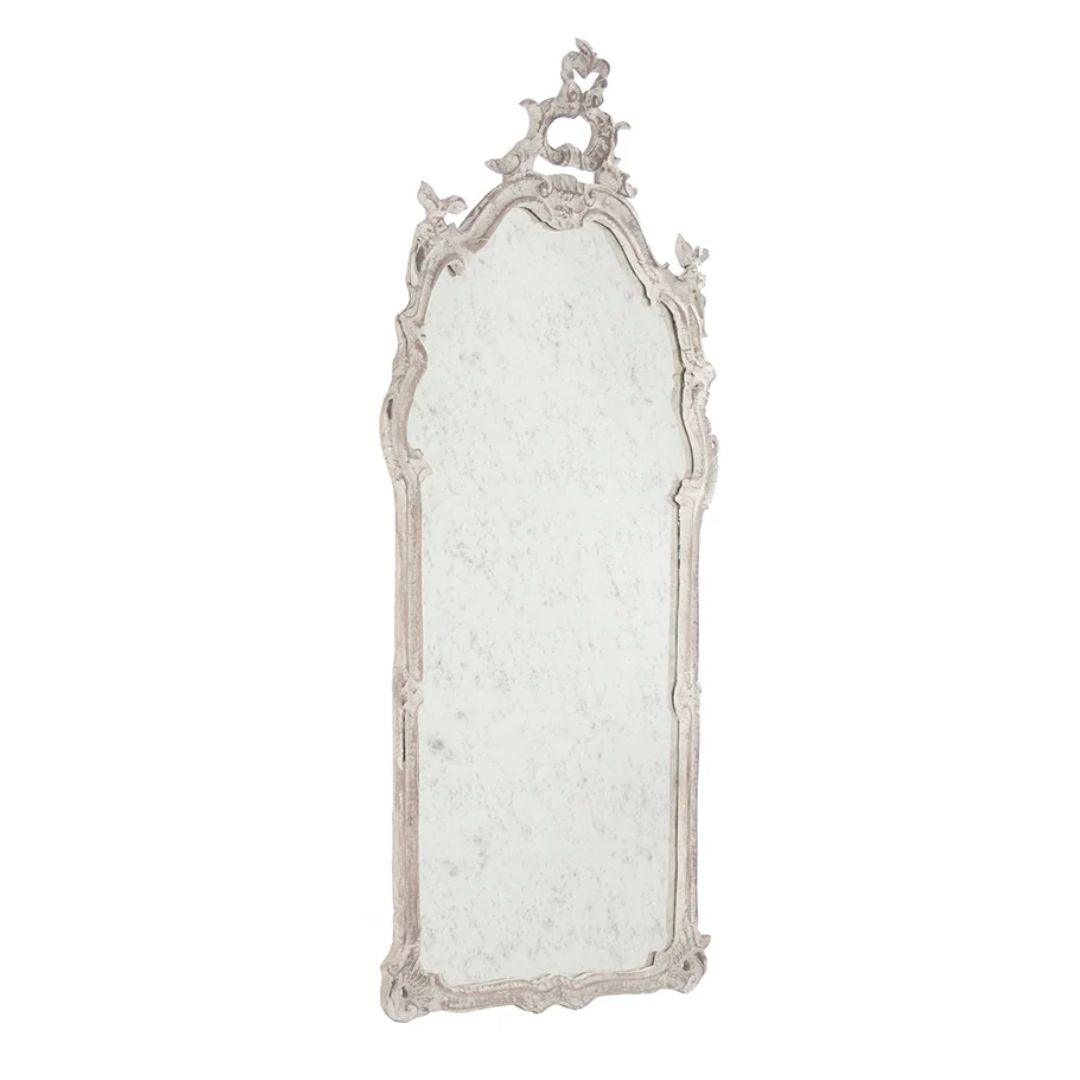
Choosing the Perfect French, Shabby Chic, & Contemporary Wall Mirrors
Choosing the right mirror for different spaces in your home — like the living room, dining room, mantel, and hallway — can elevate the design, enhance light, and improve the feel of each room. Here are well-tested tips tailored to each space:
Which Mirror Style is Best for your Interior?
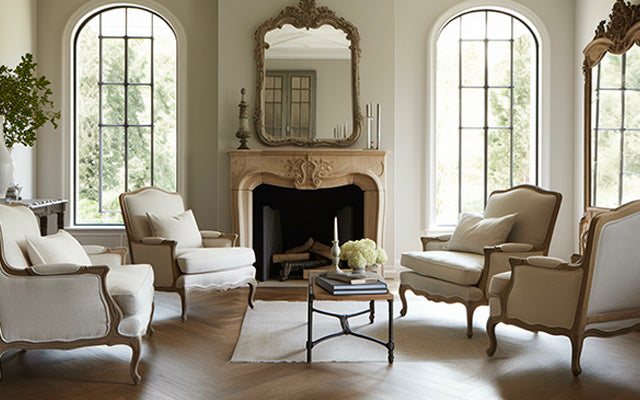
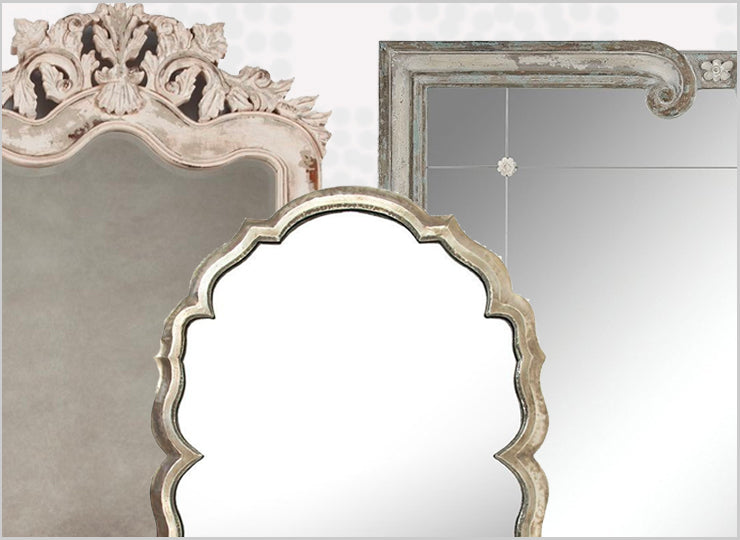
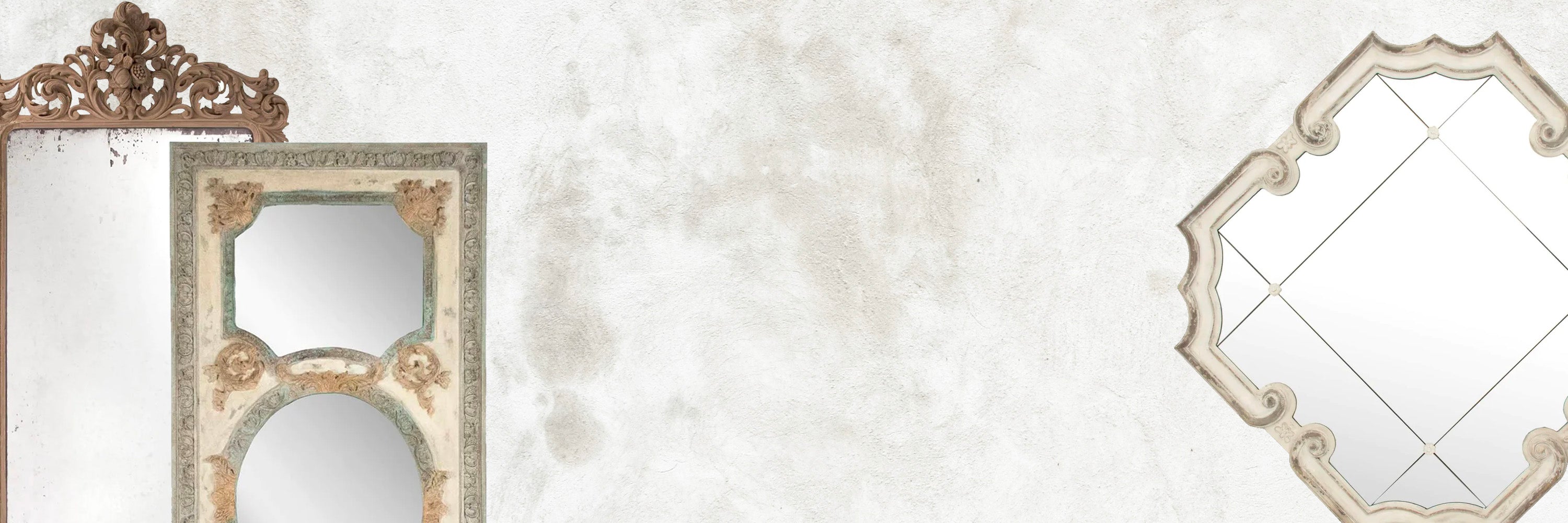
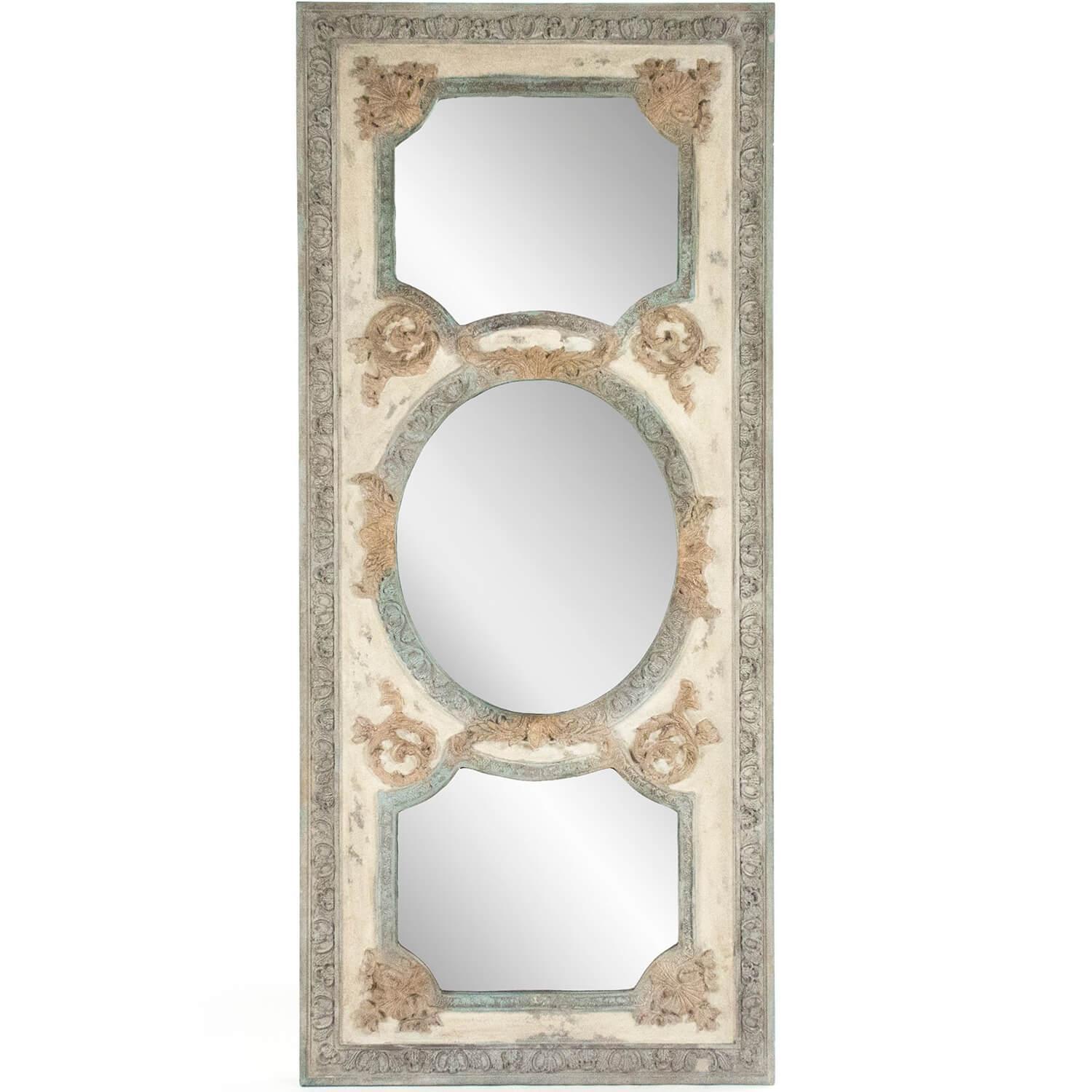
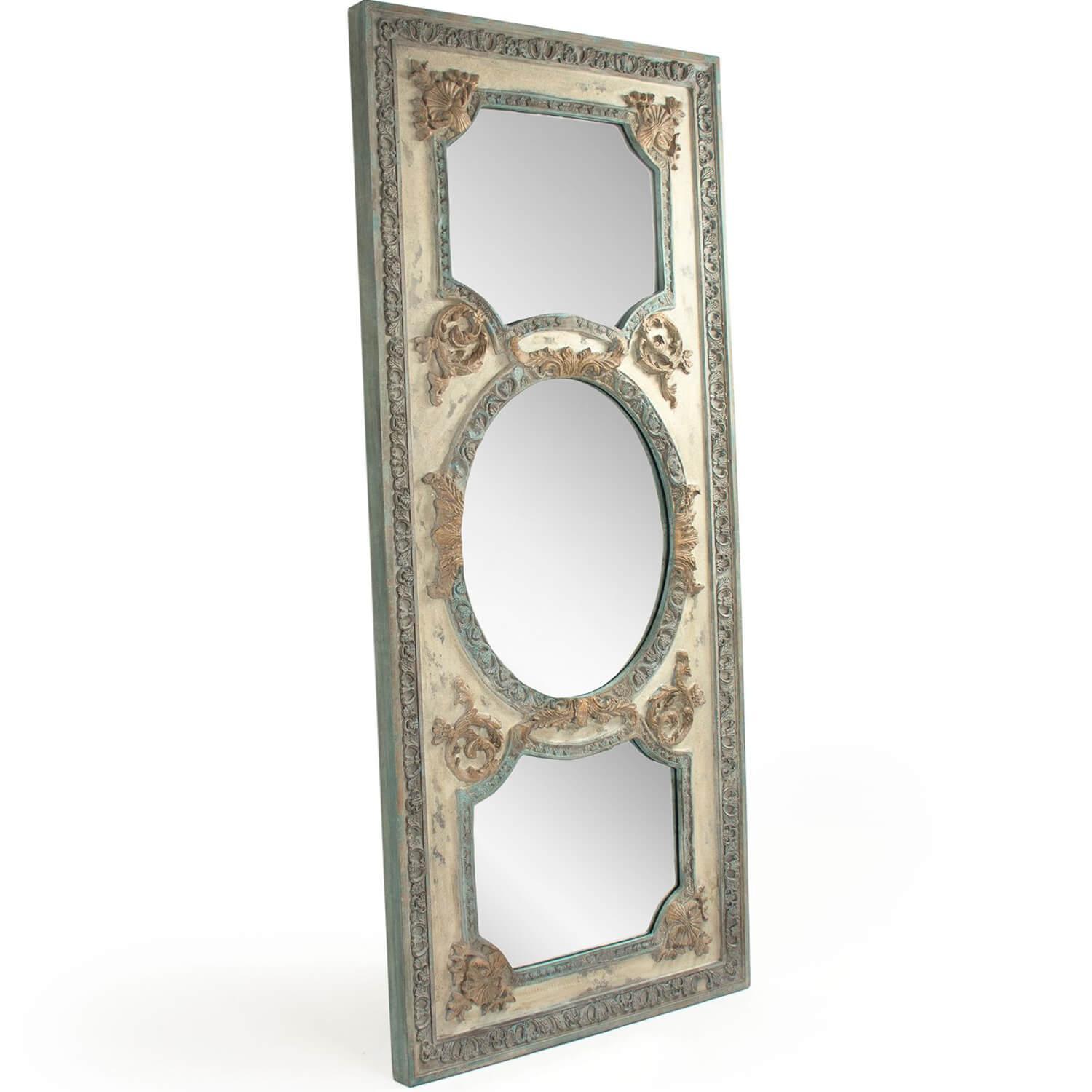
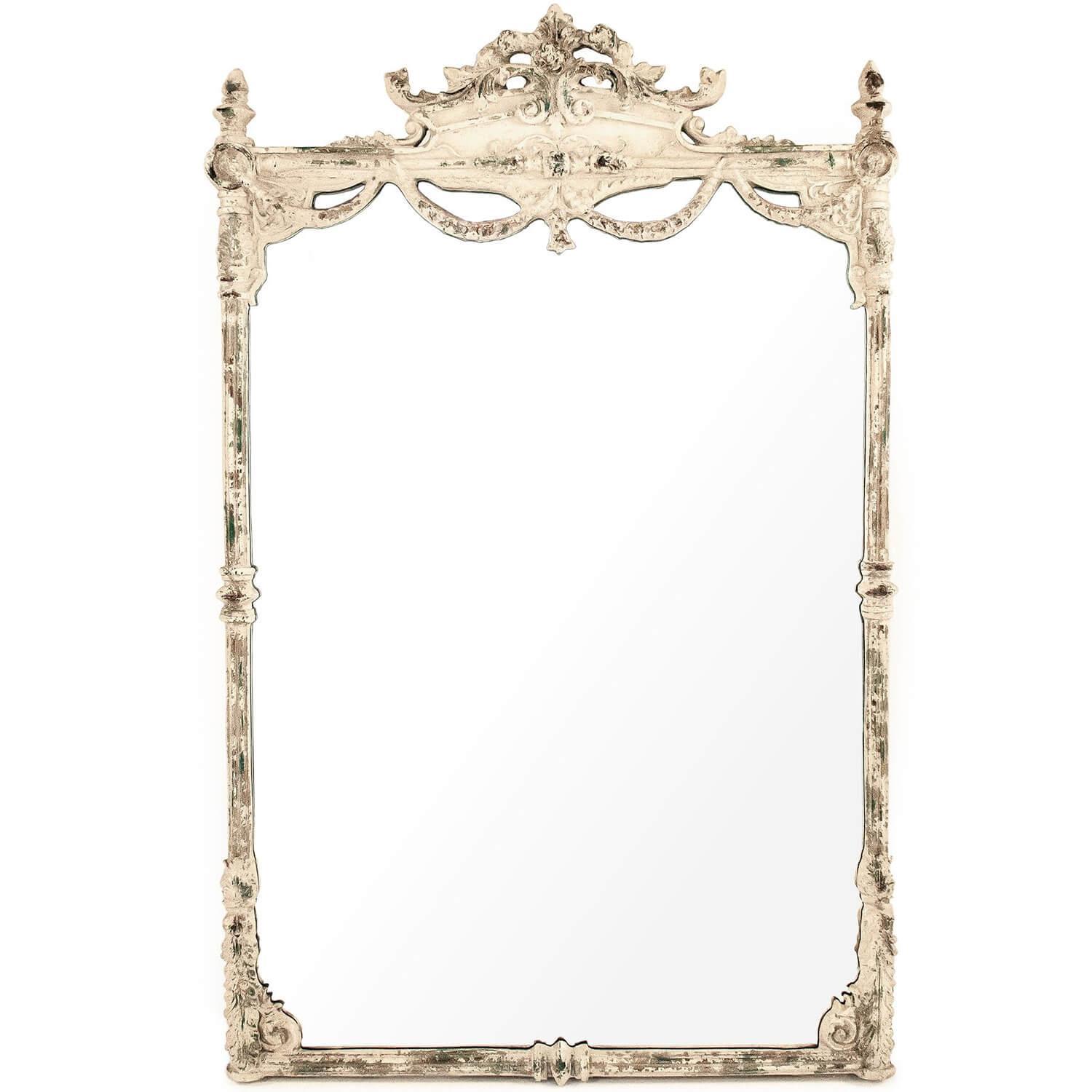
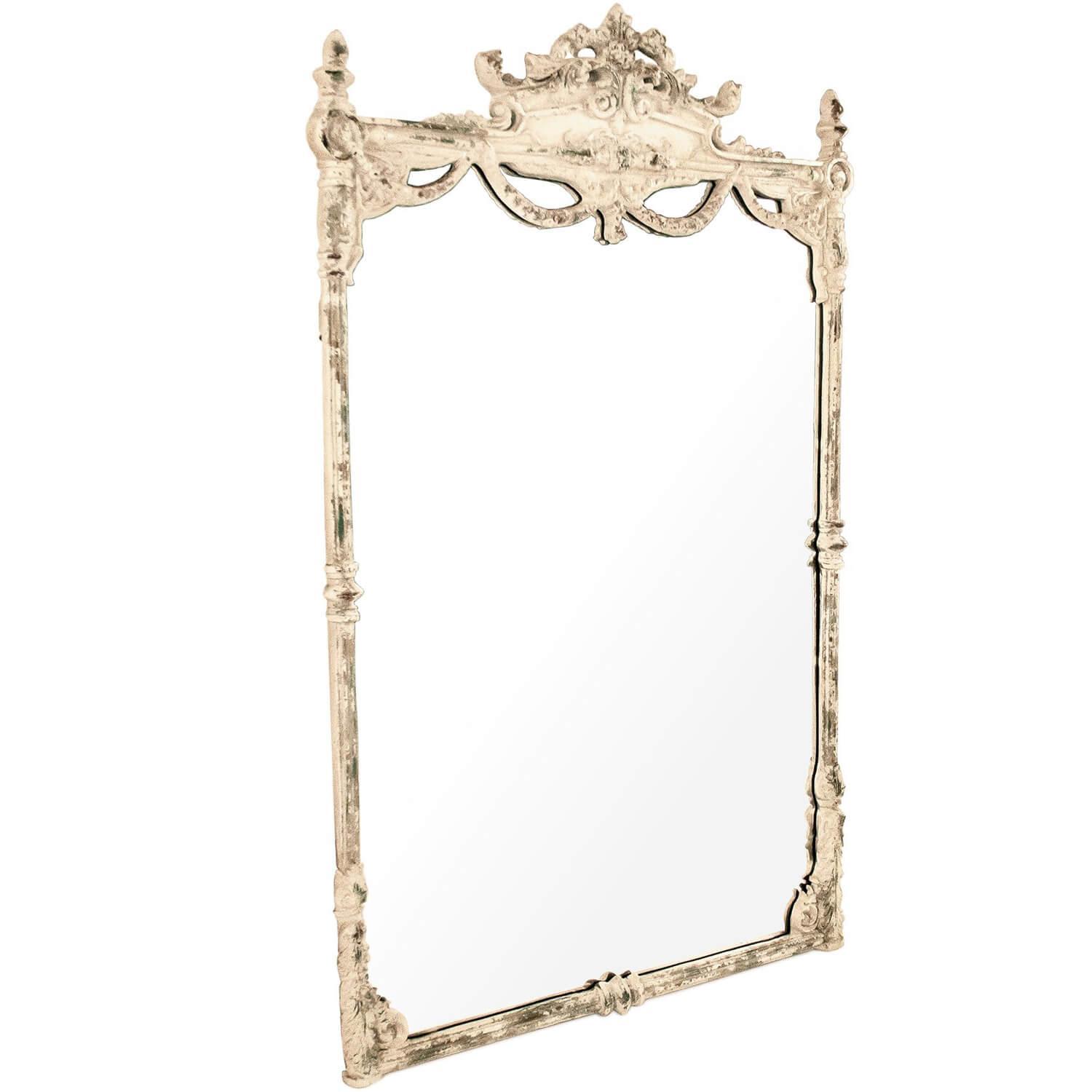
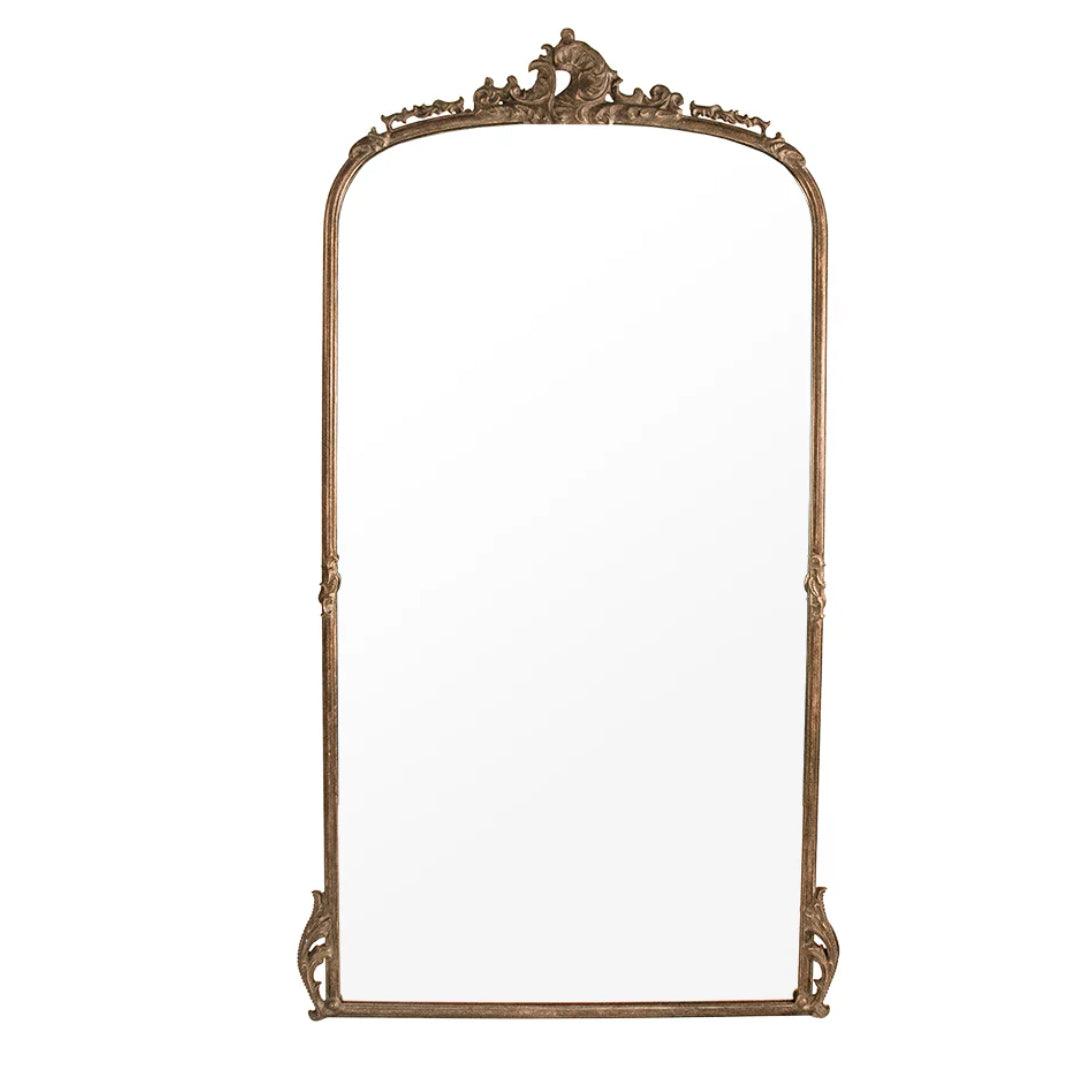
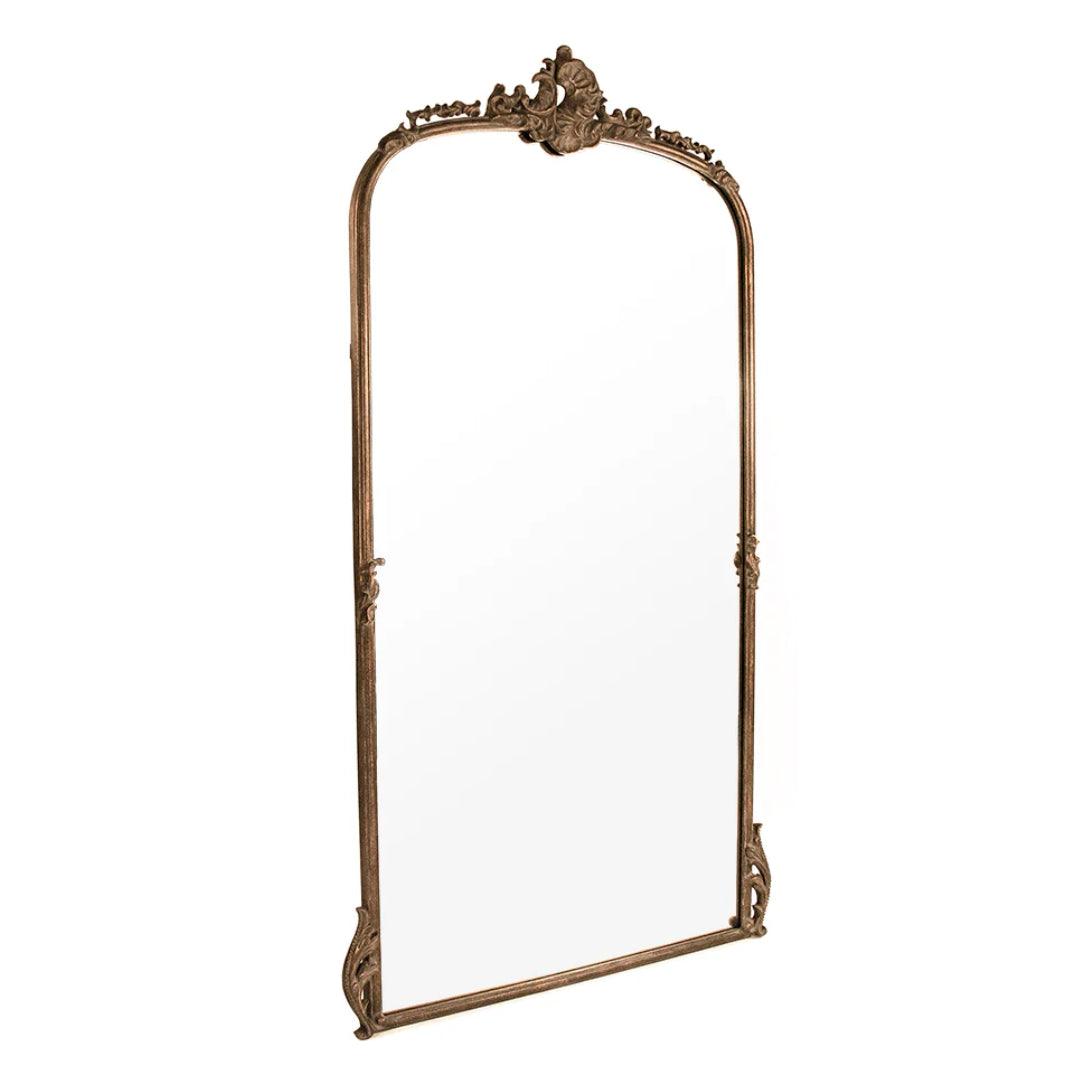
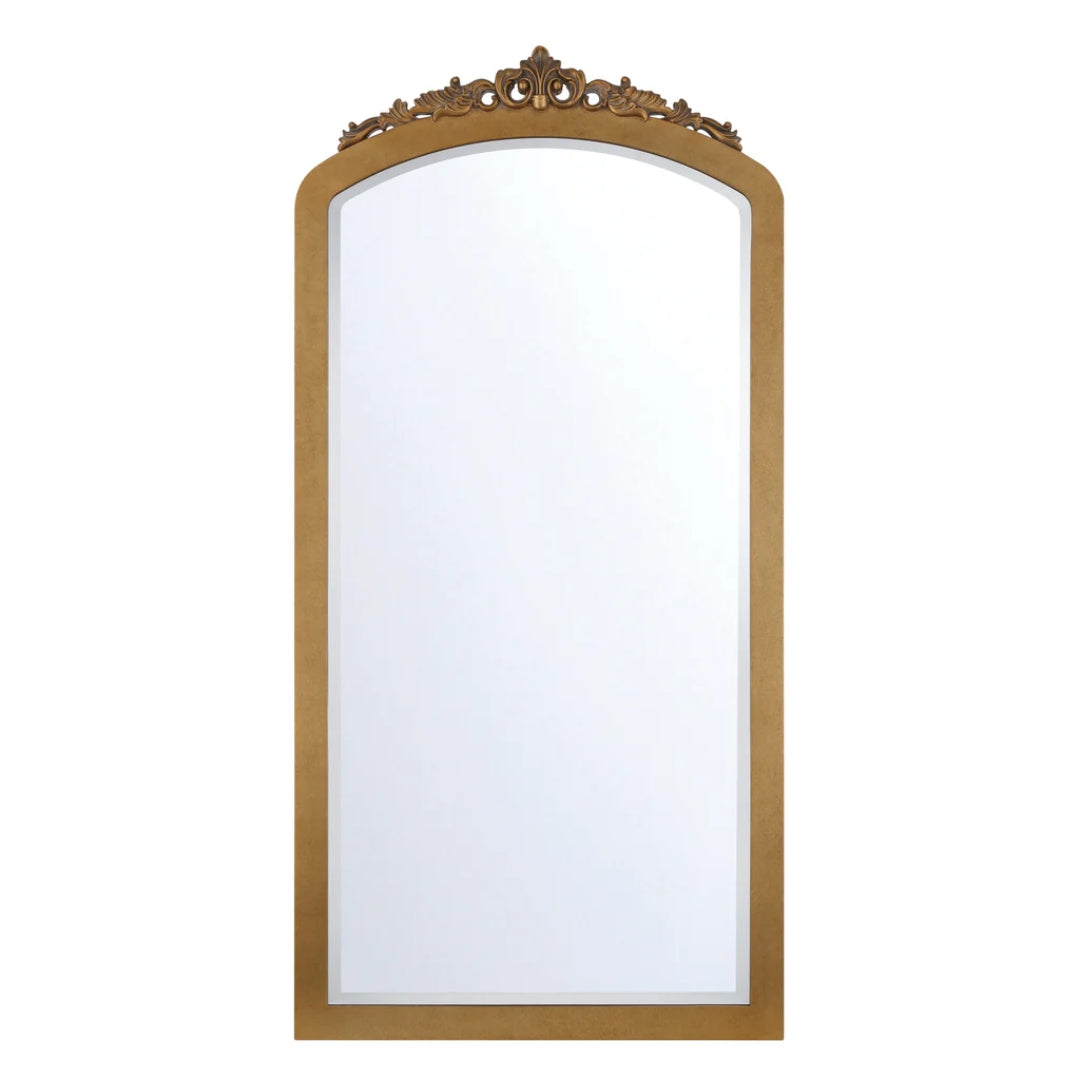
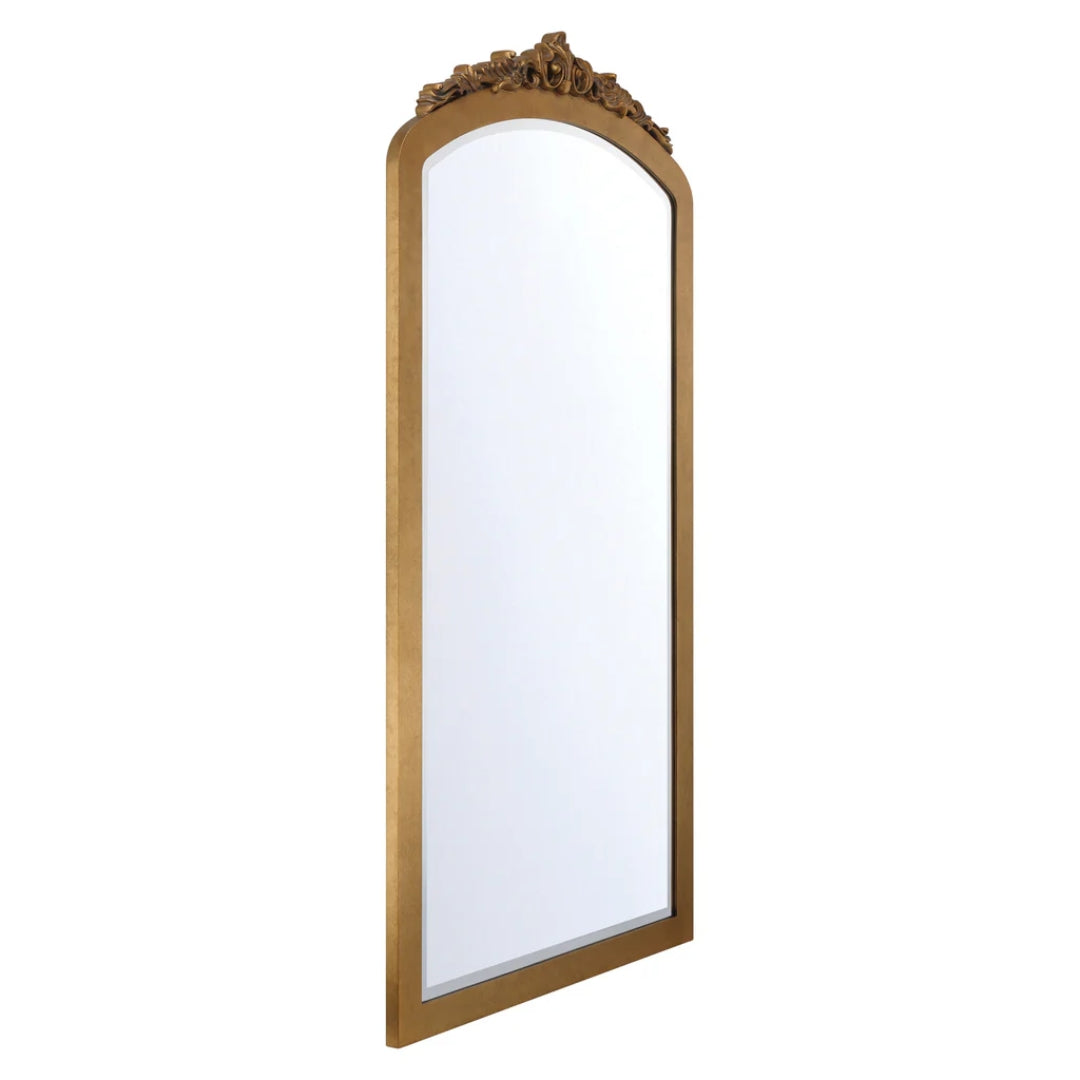
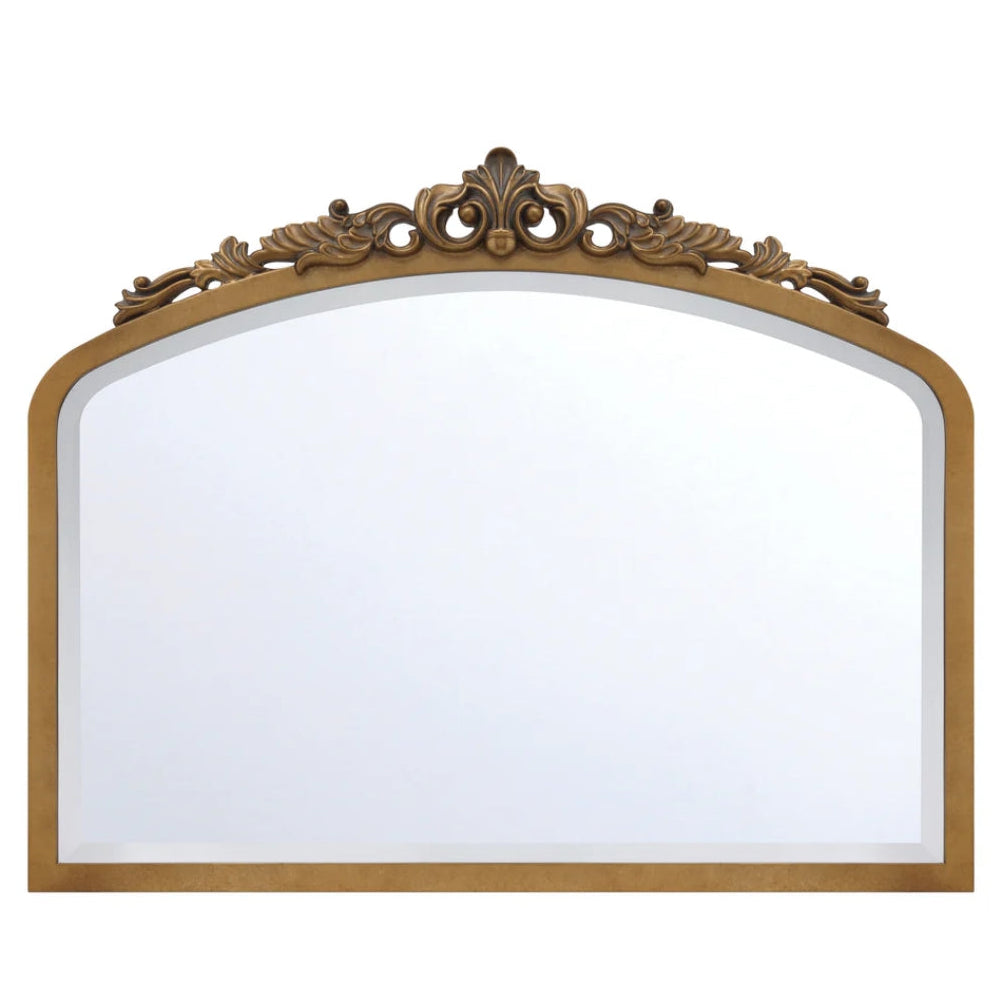
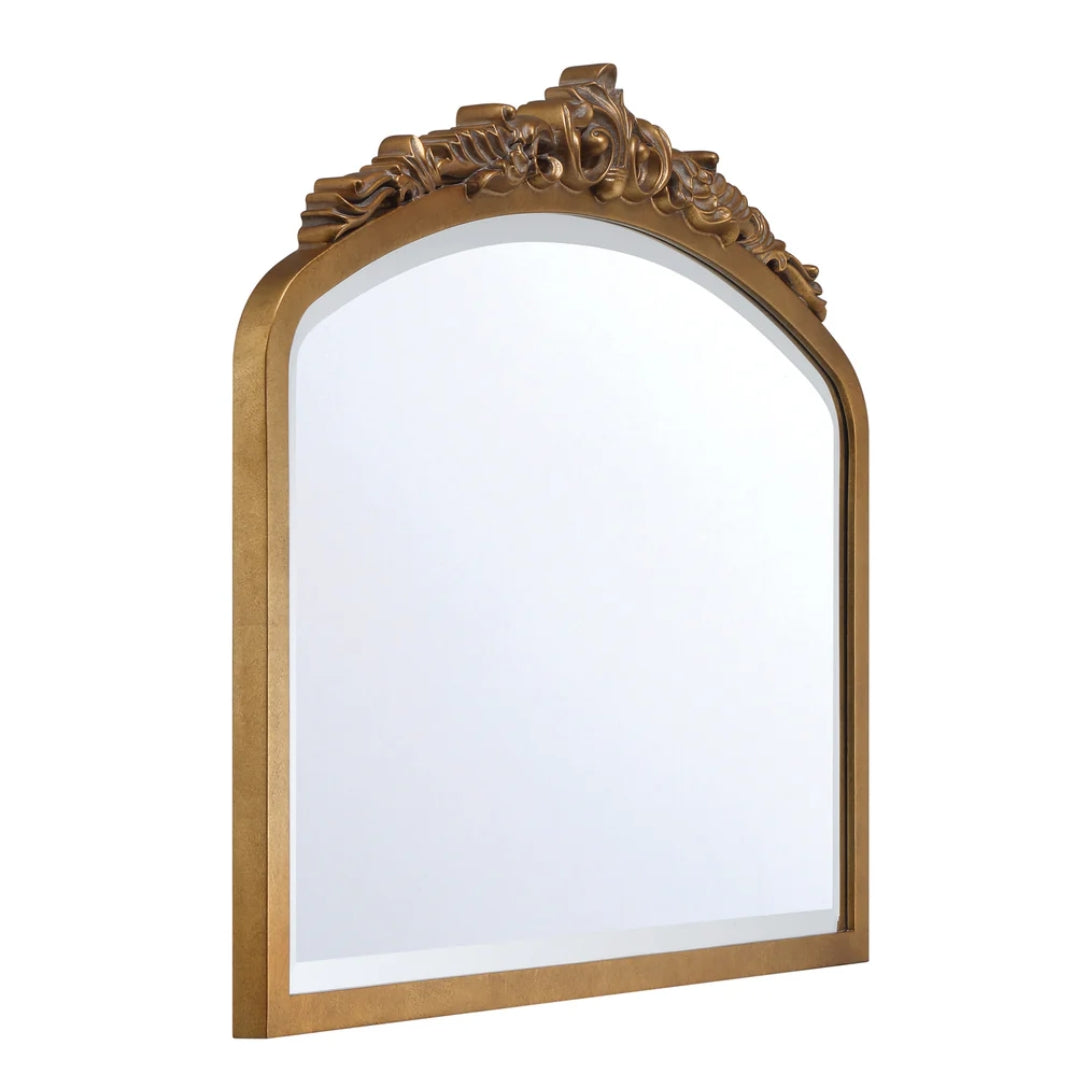
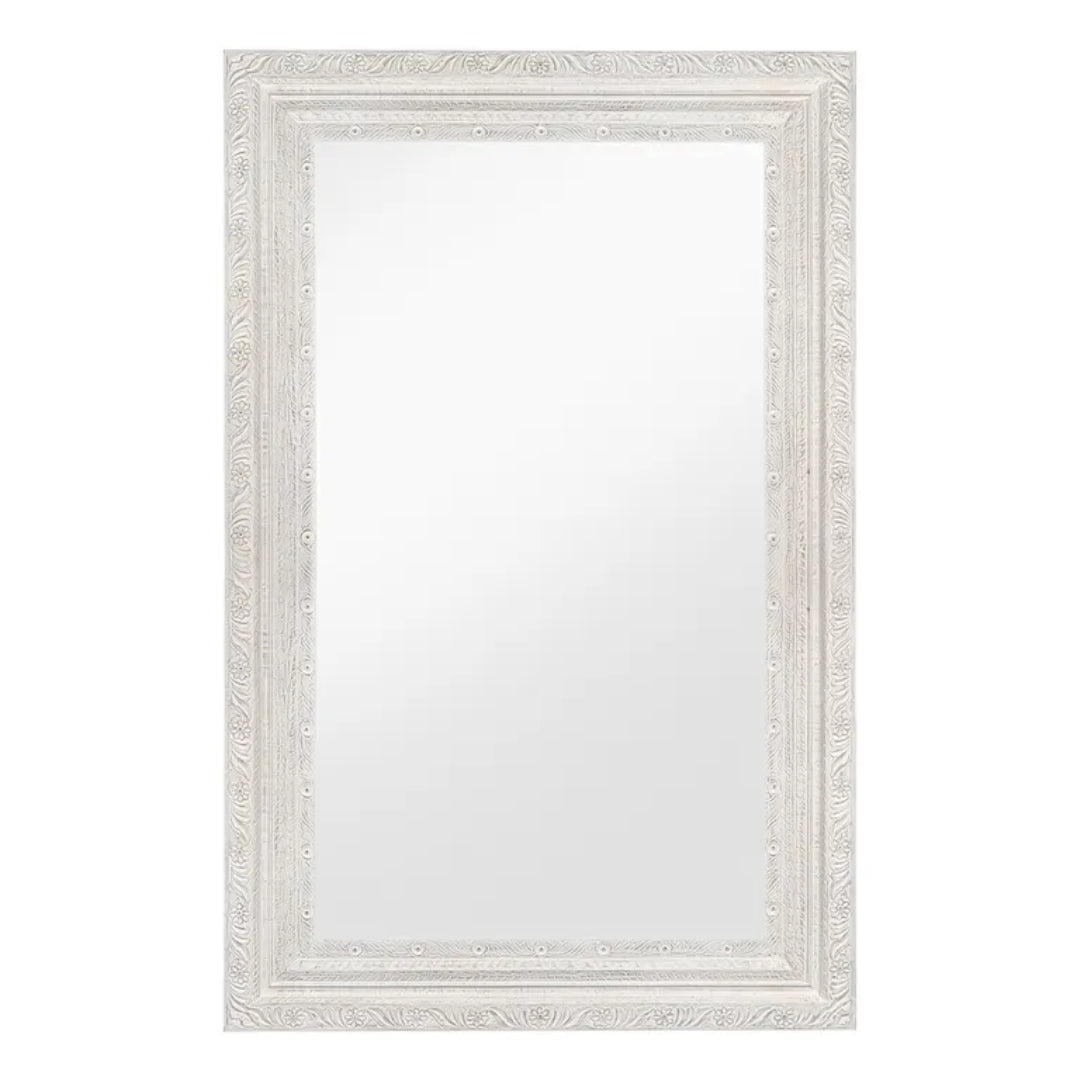
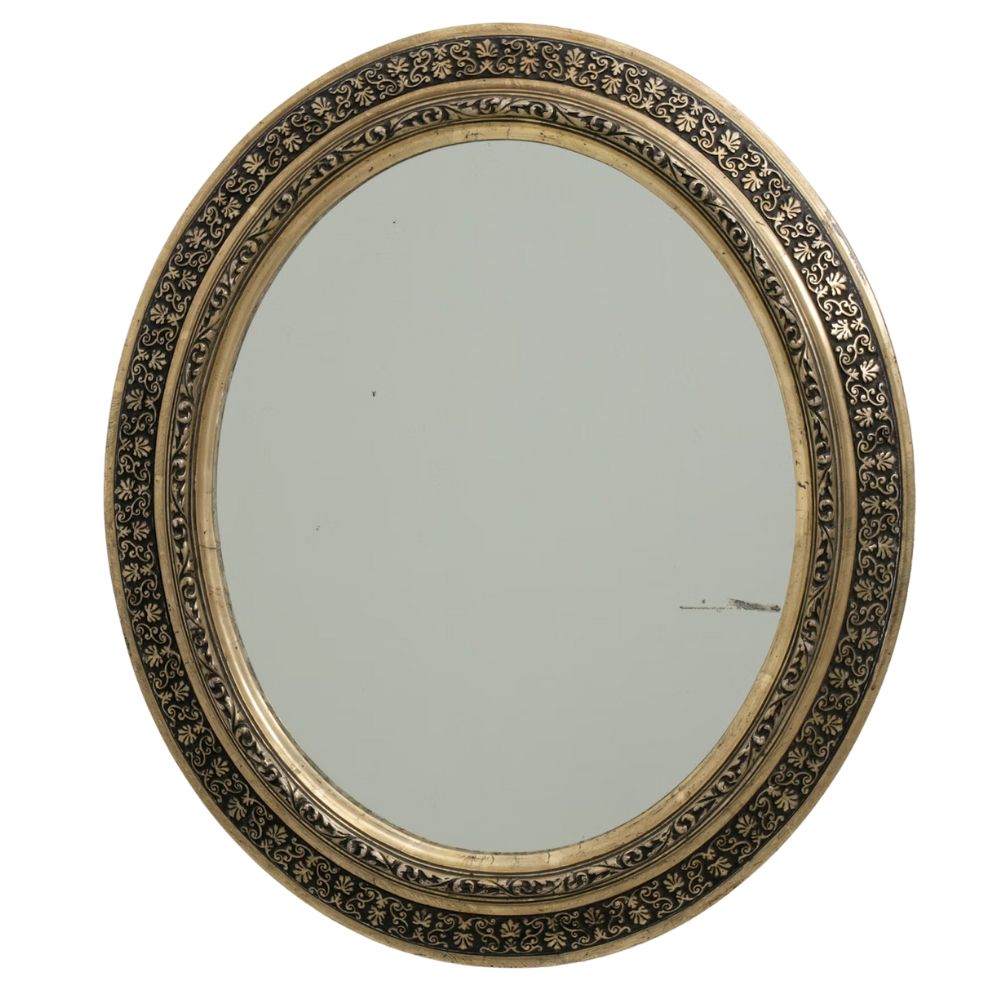
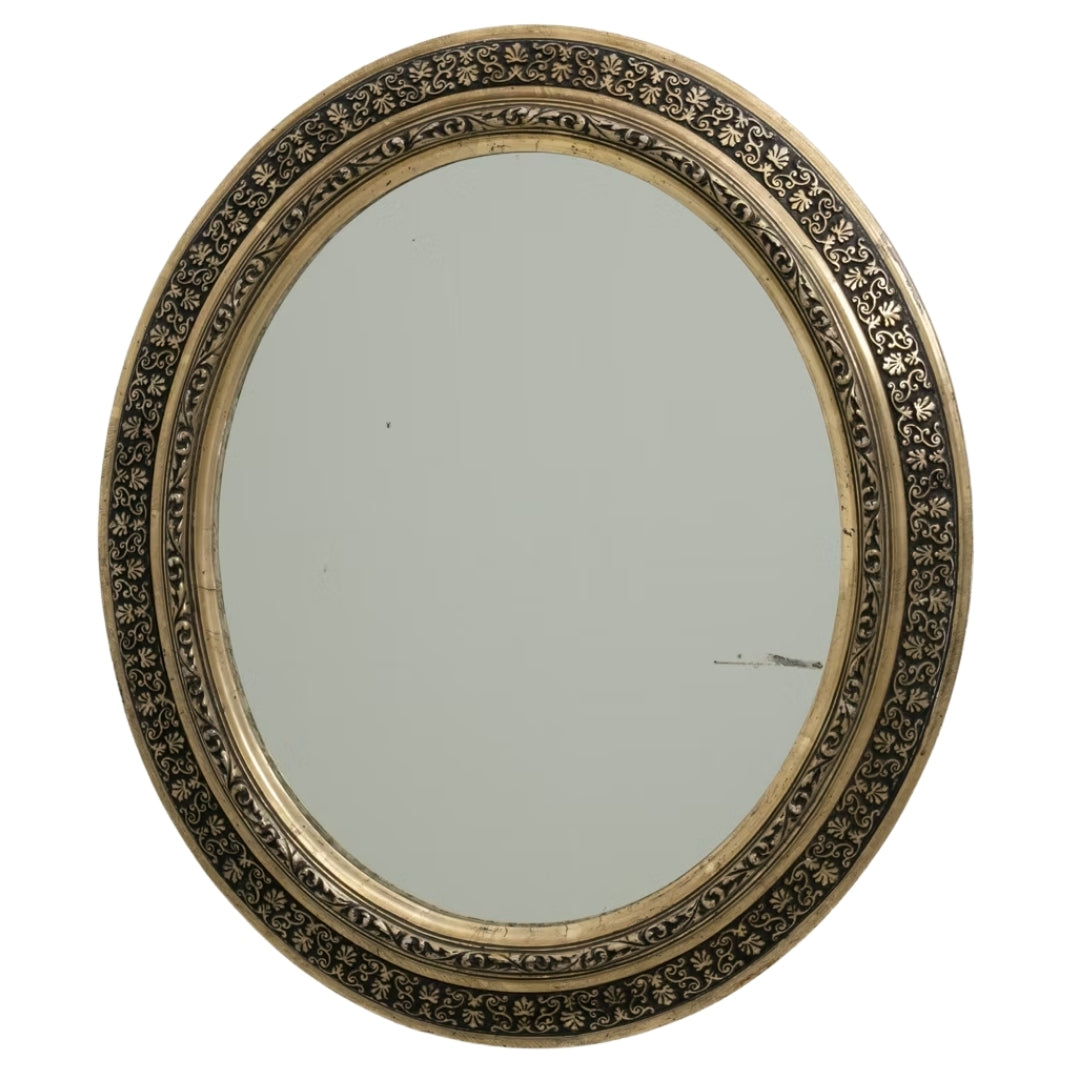
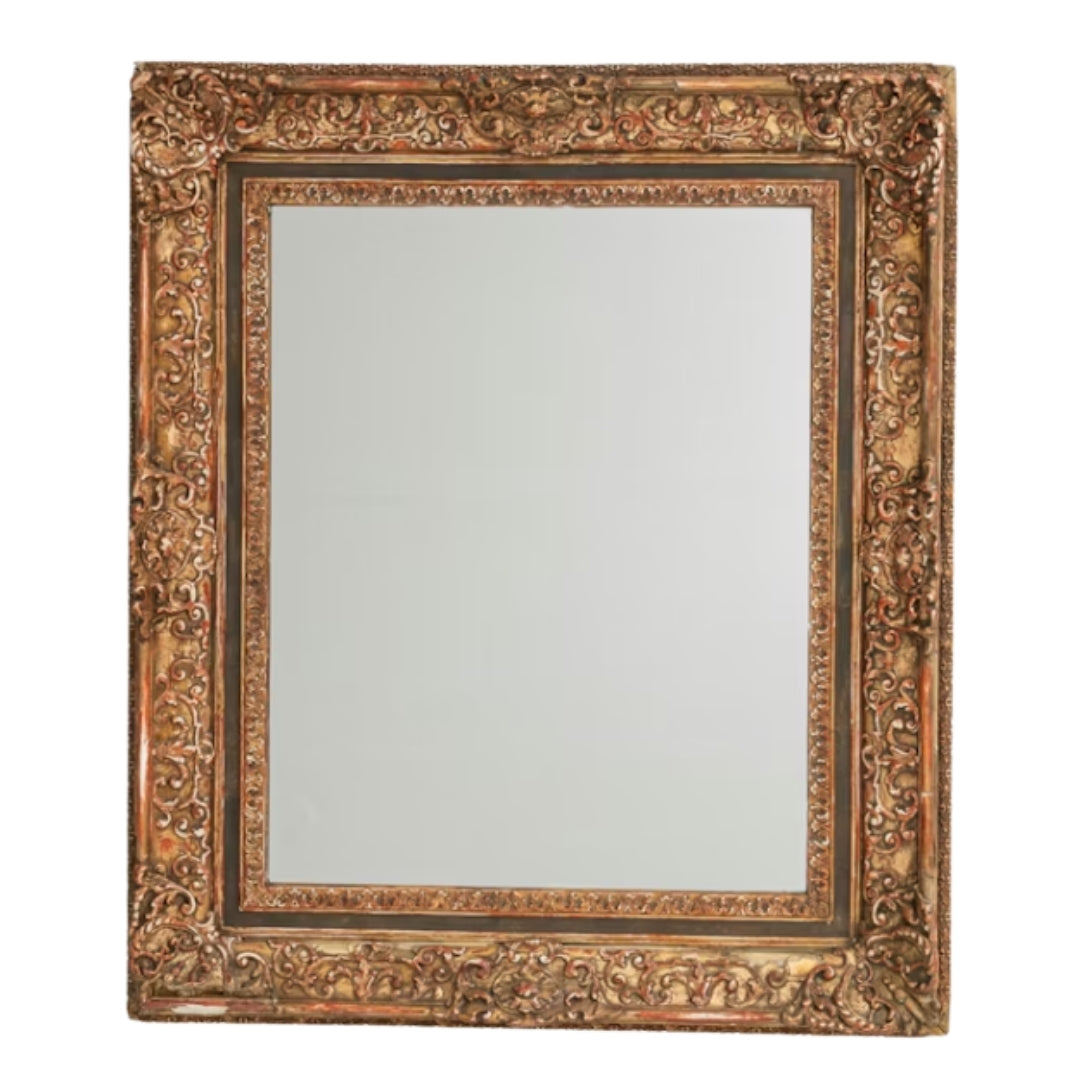
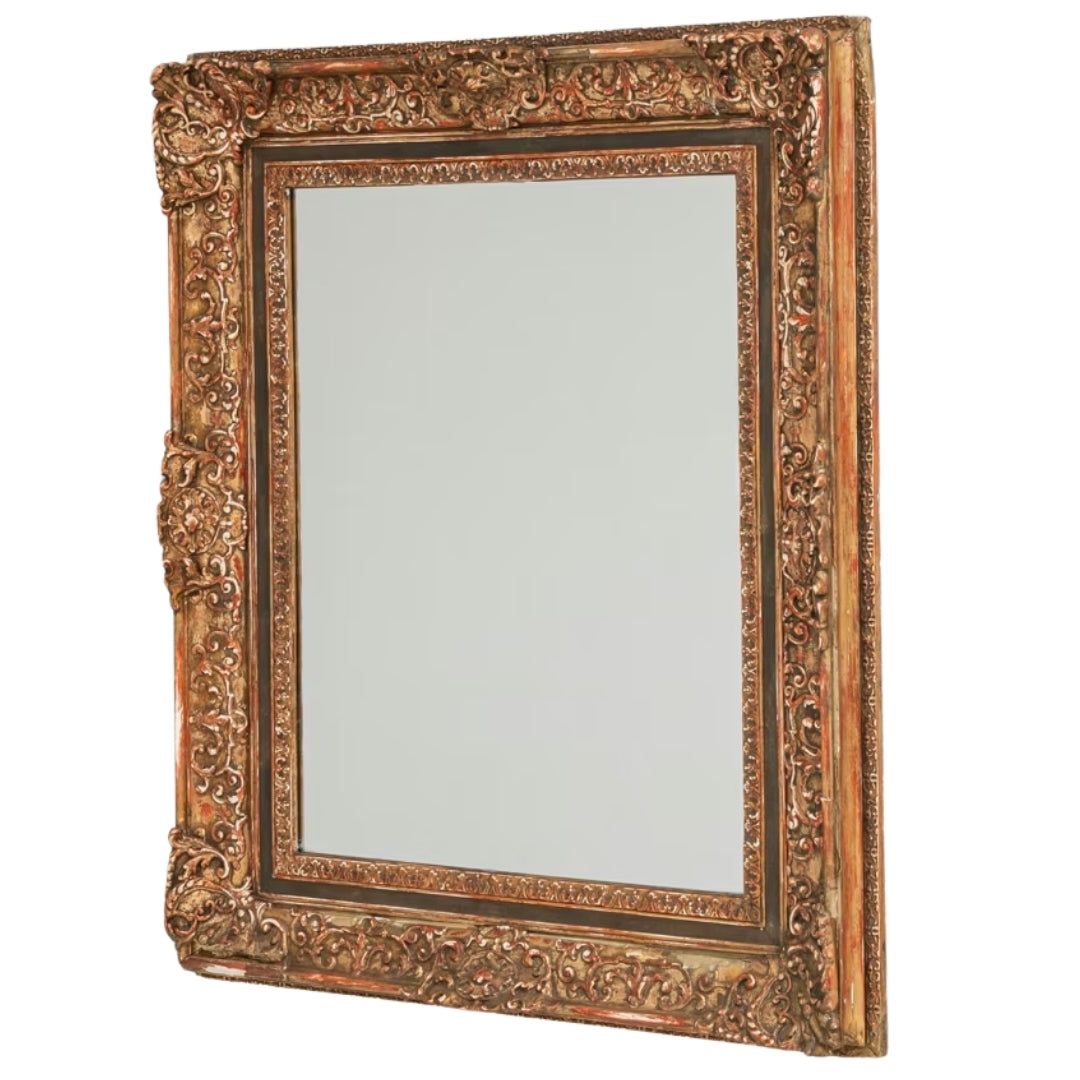
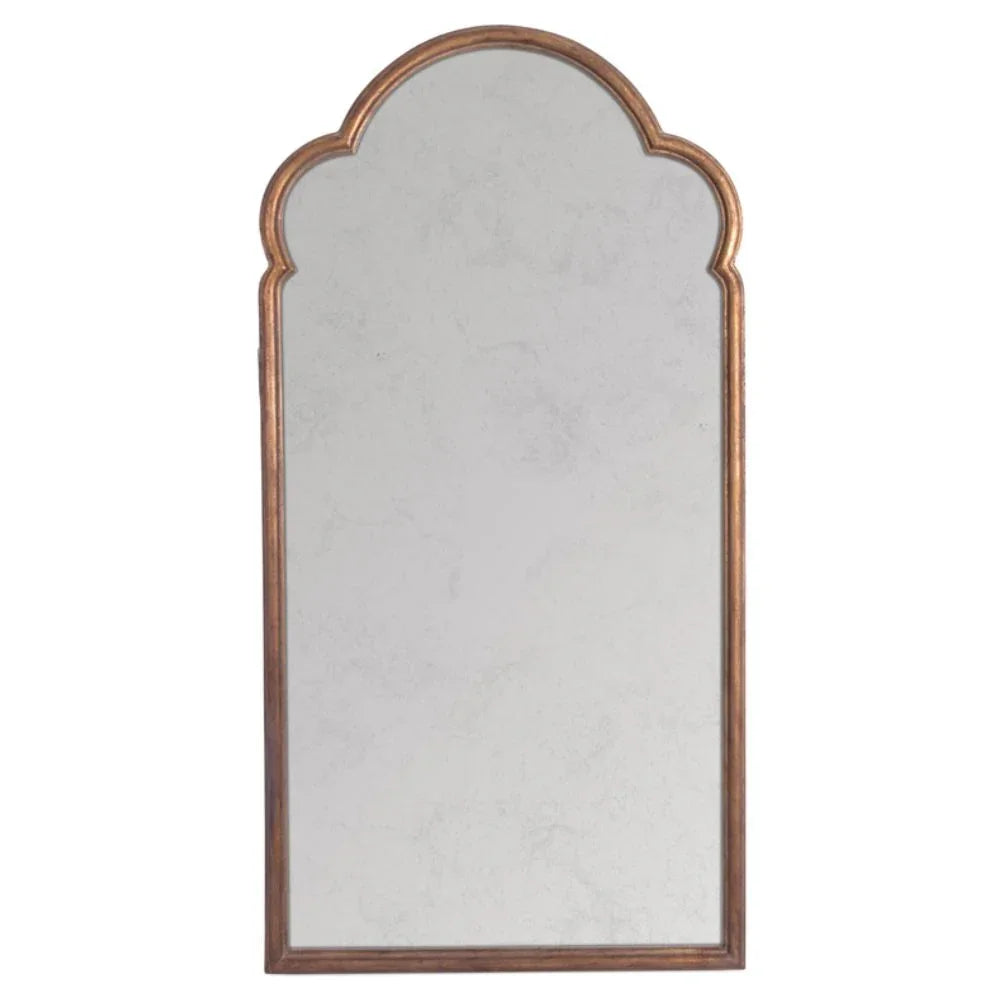
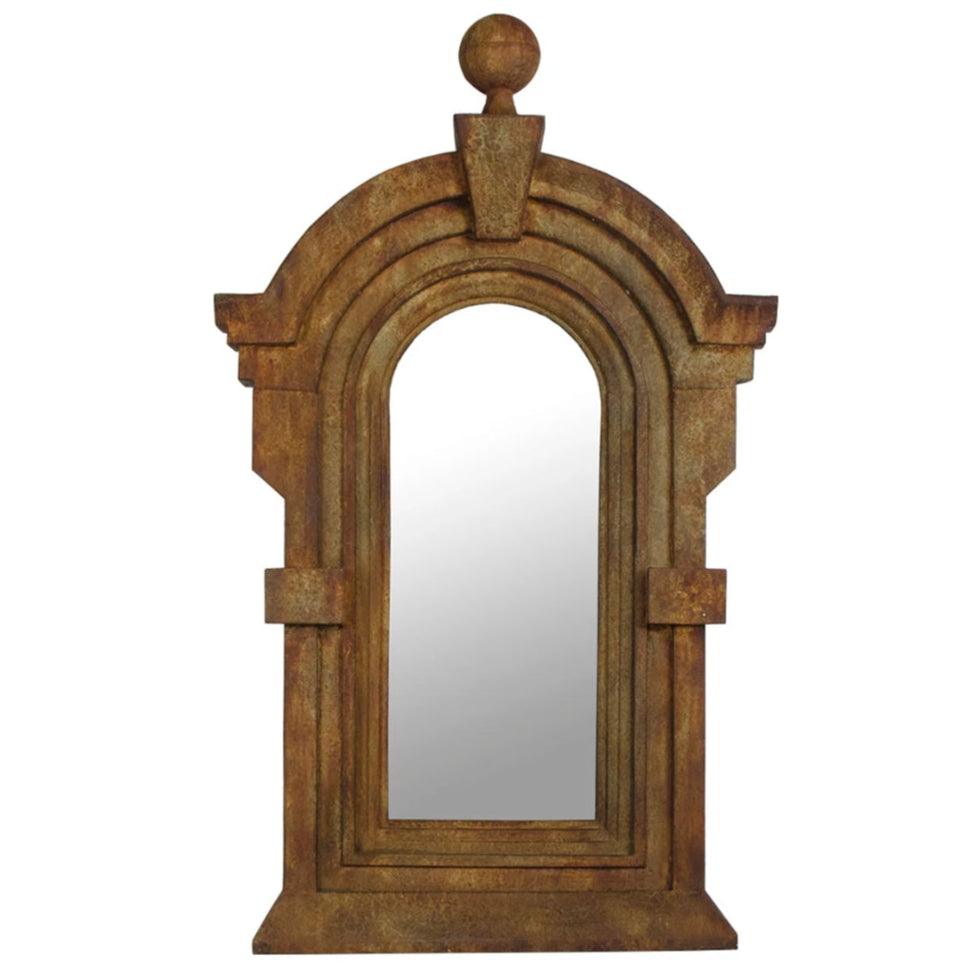
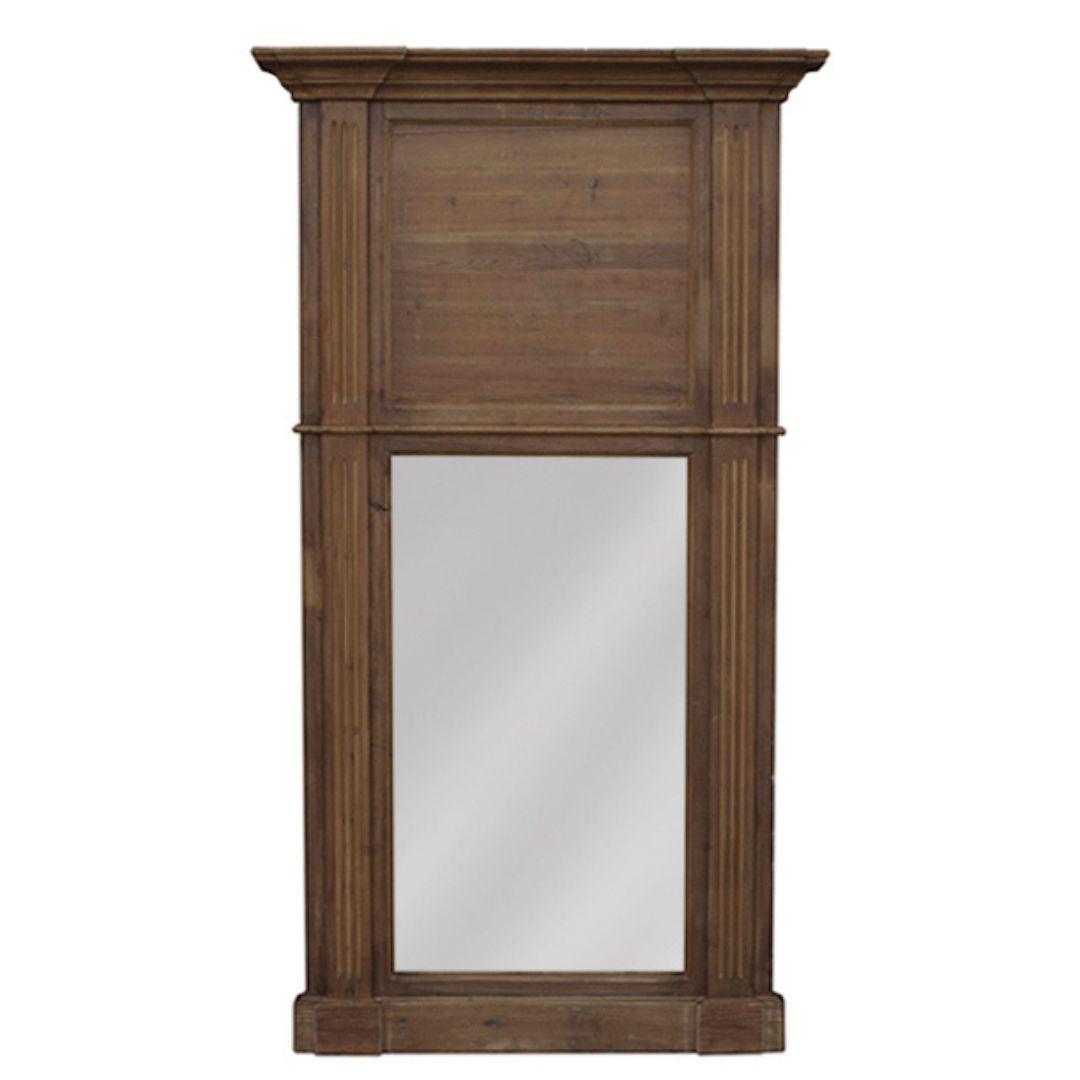
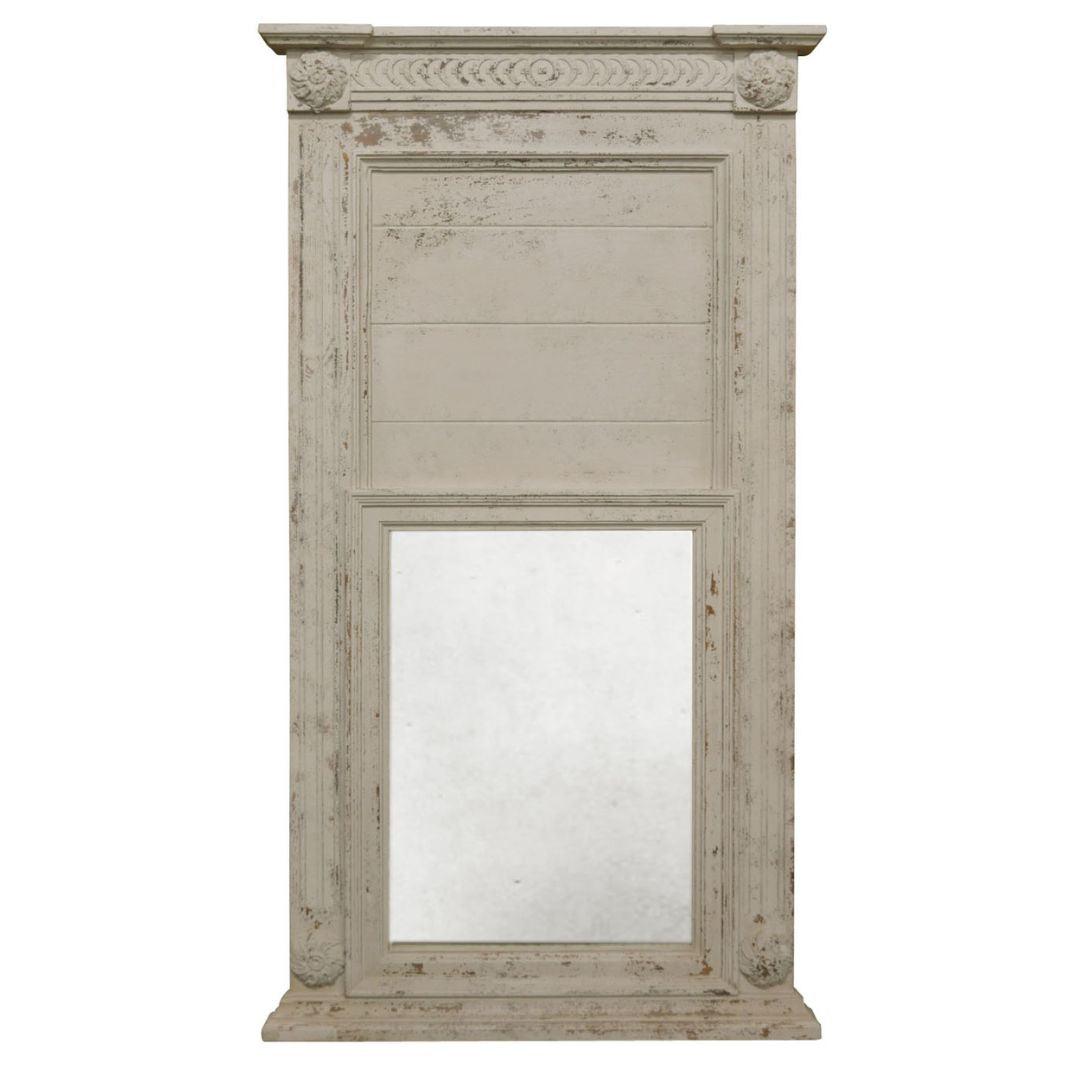
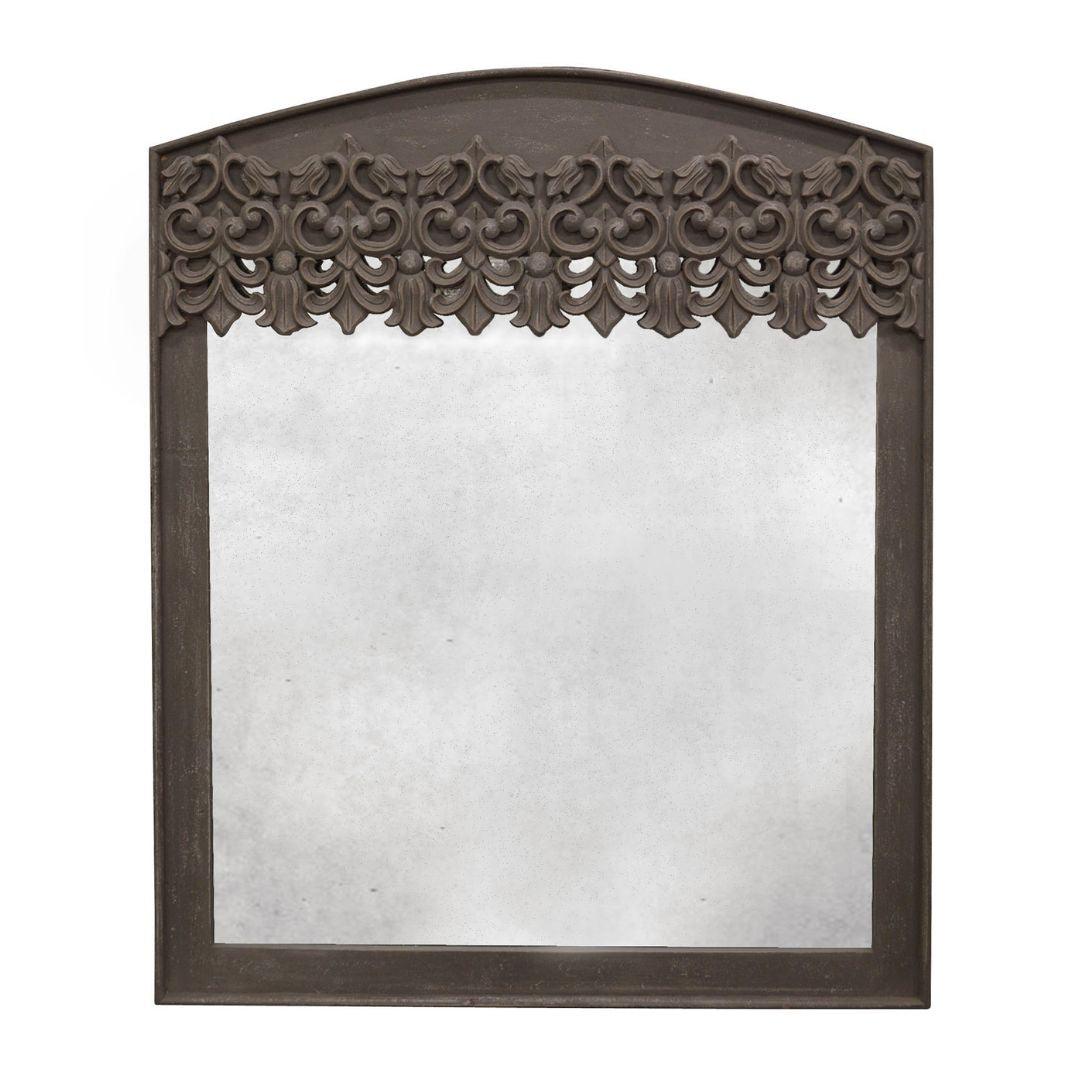
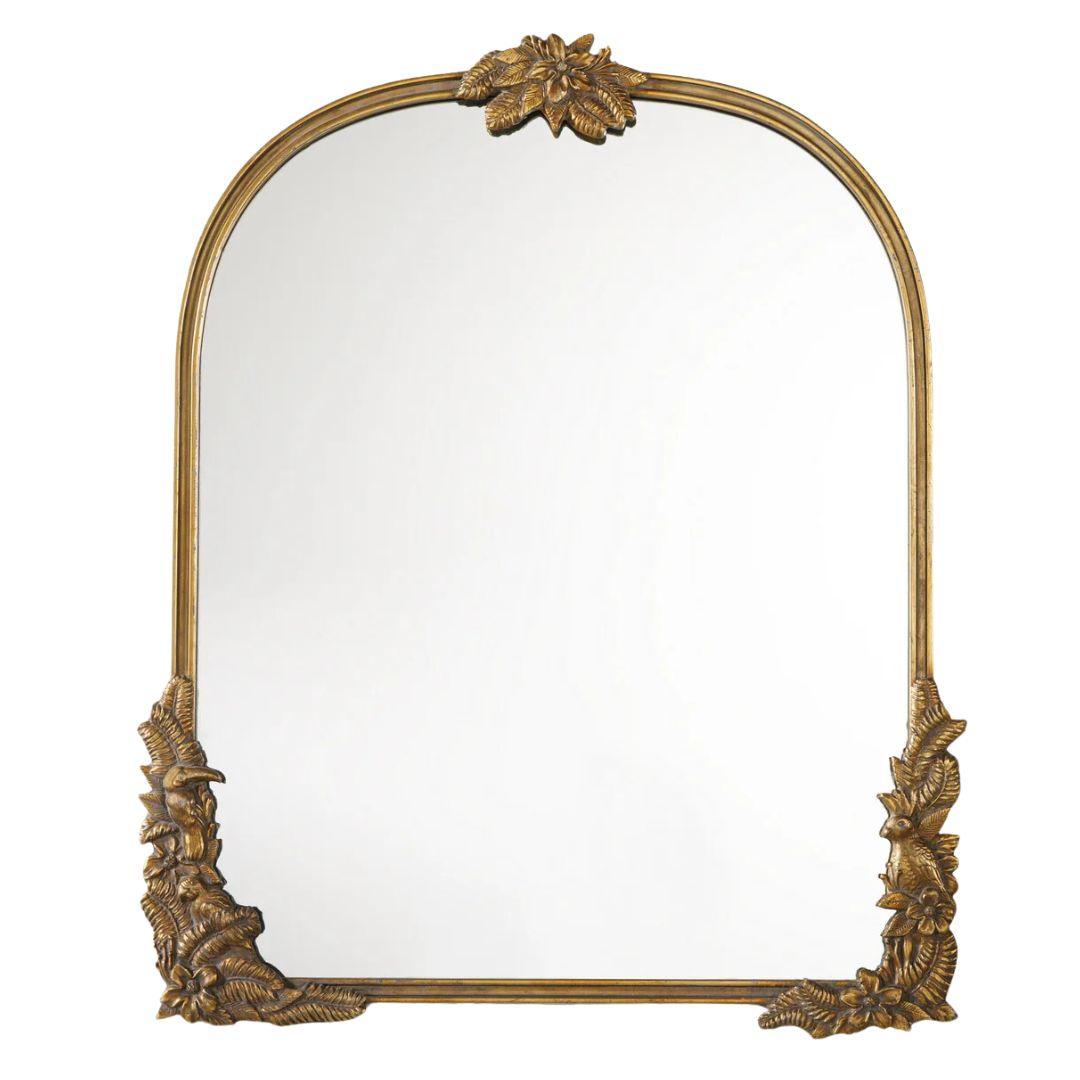
- Ornate French Mirrors & Carved Frames: Elaborately framed mirrors with carved wood and elegant, noble trumeau mirrors are ideal for formal living rooms, mantels, entryways, or vintage-inspired interiors.
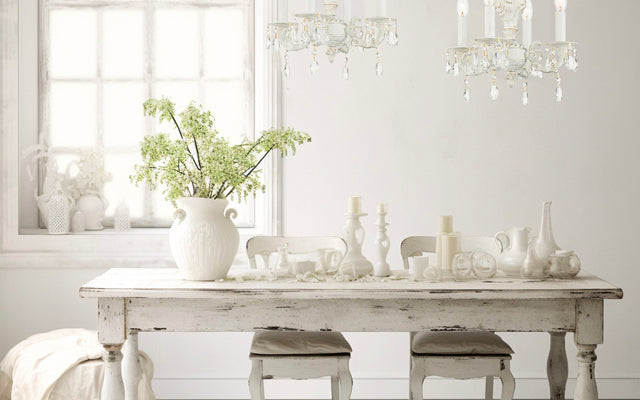
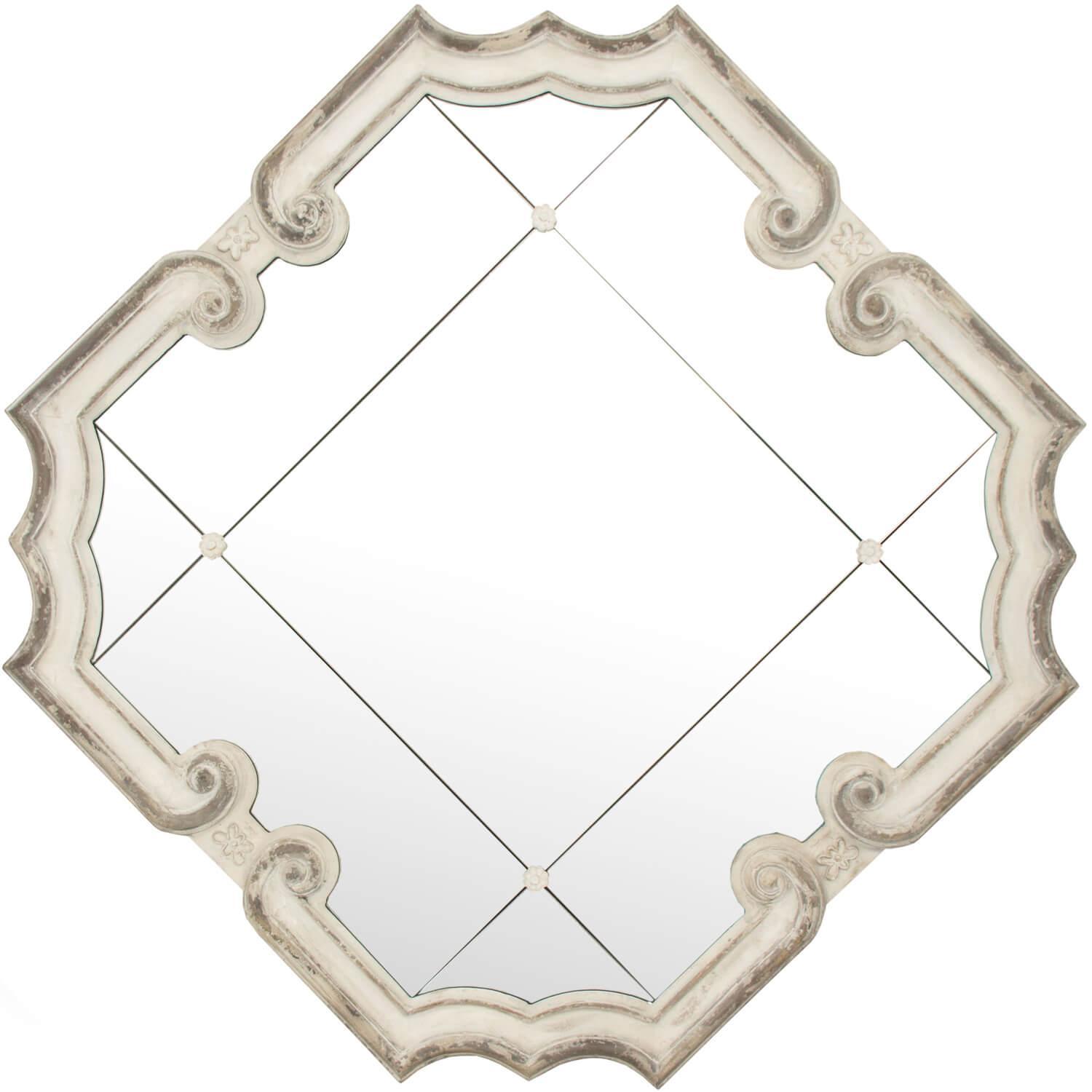
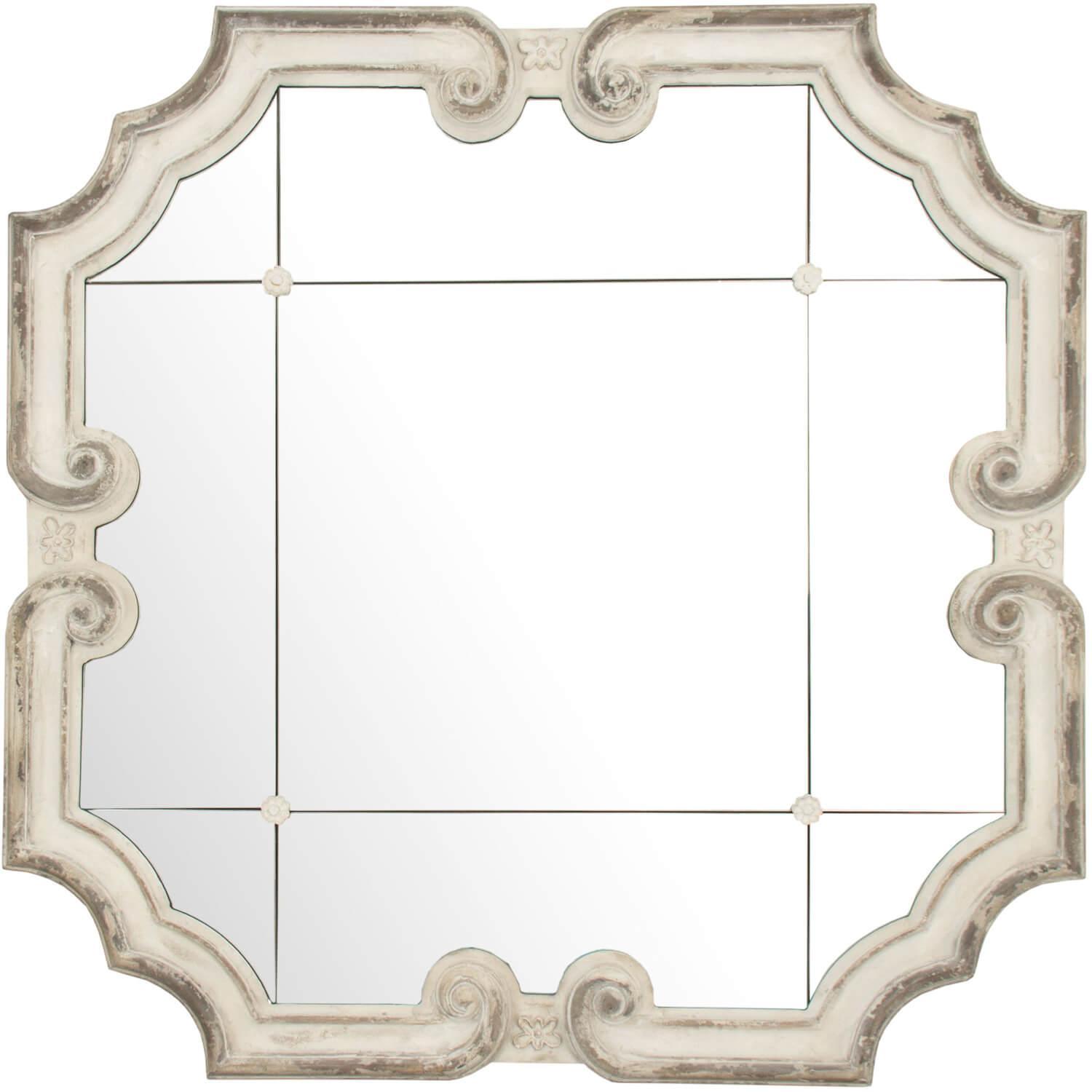
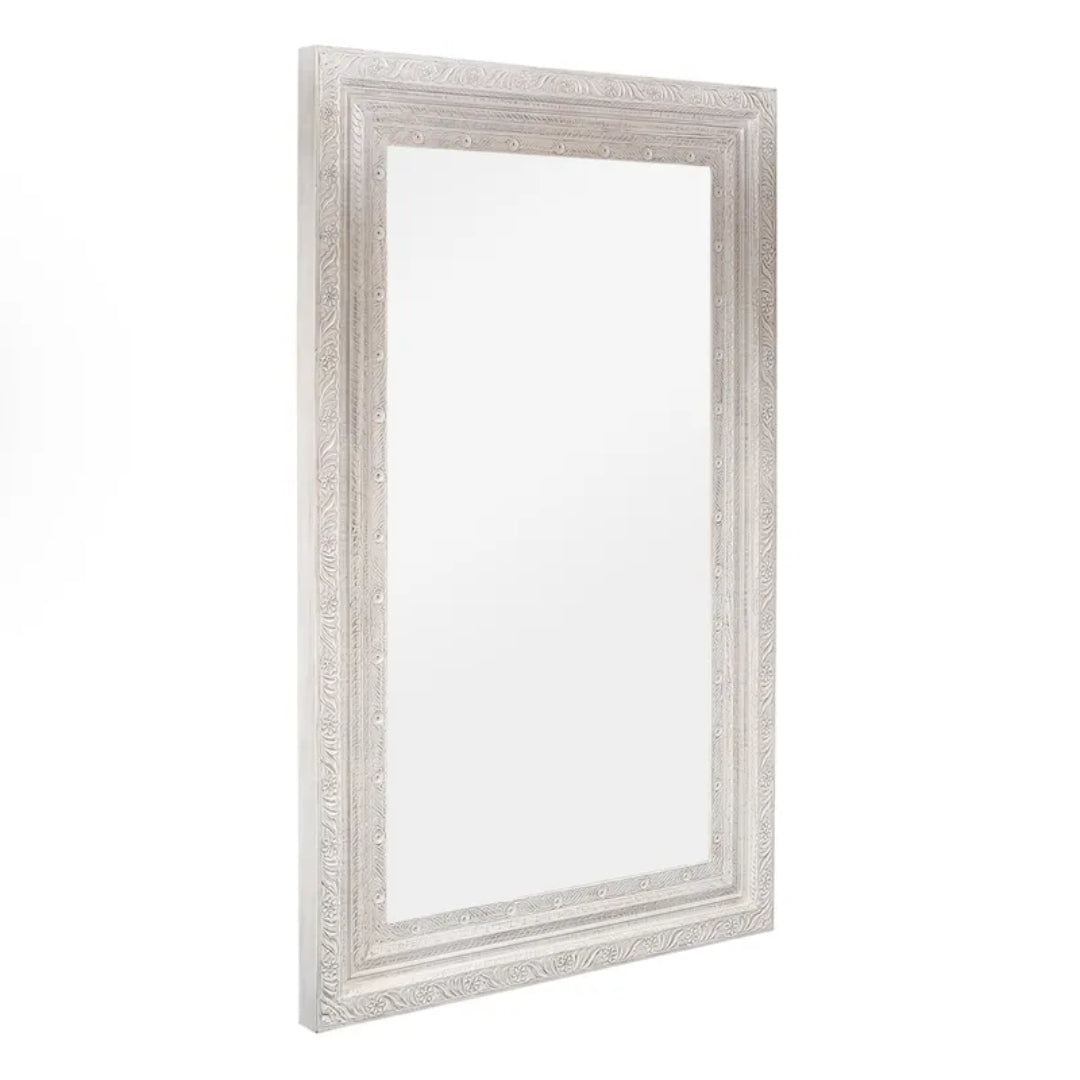
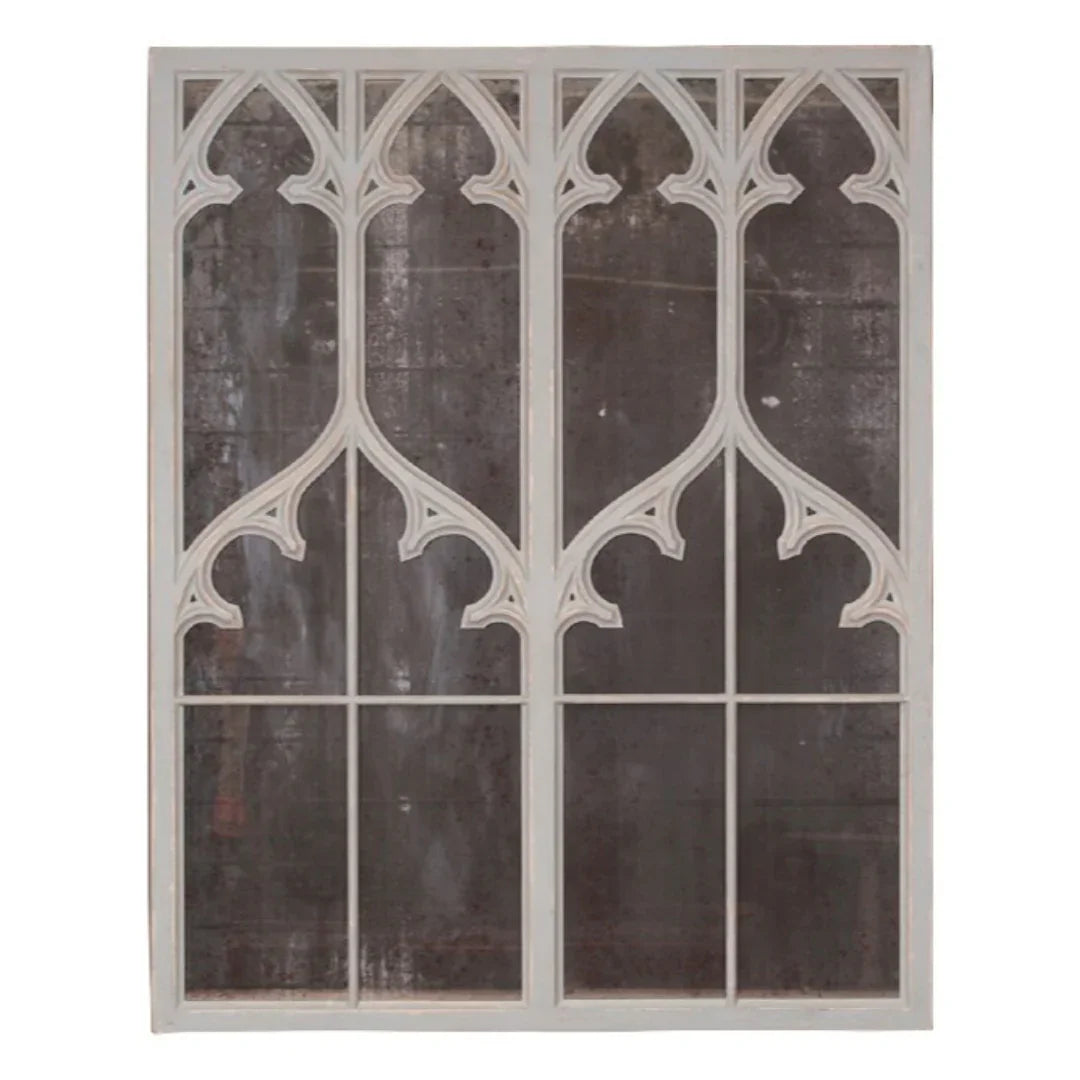
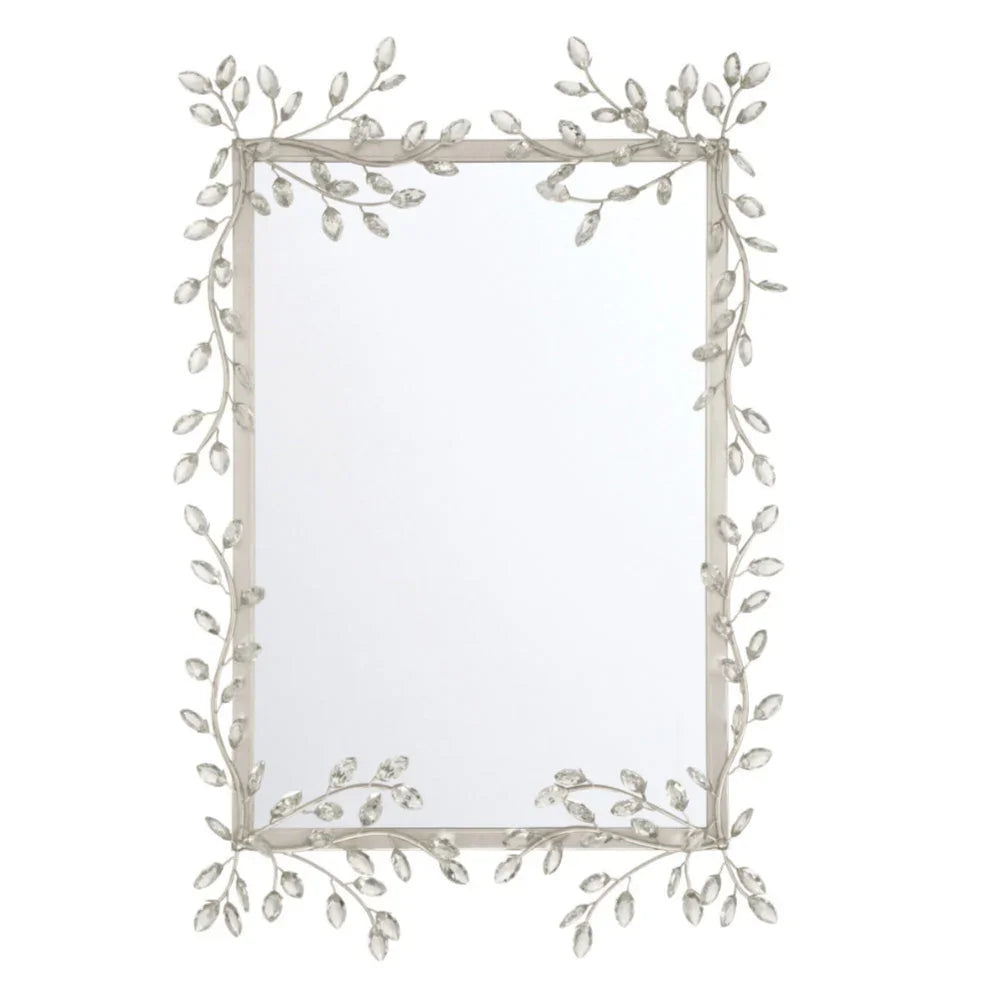
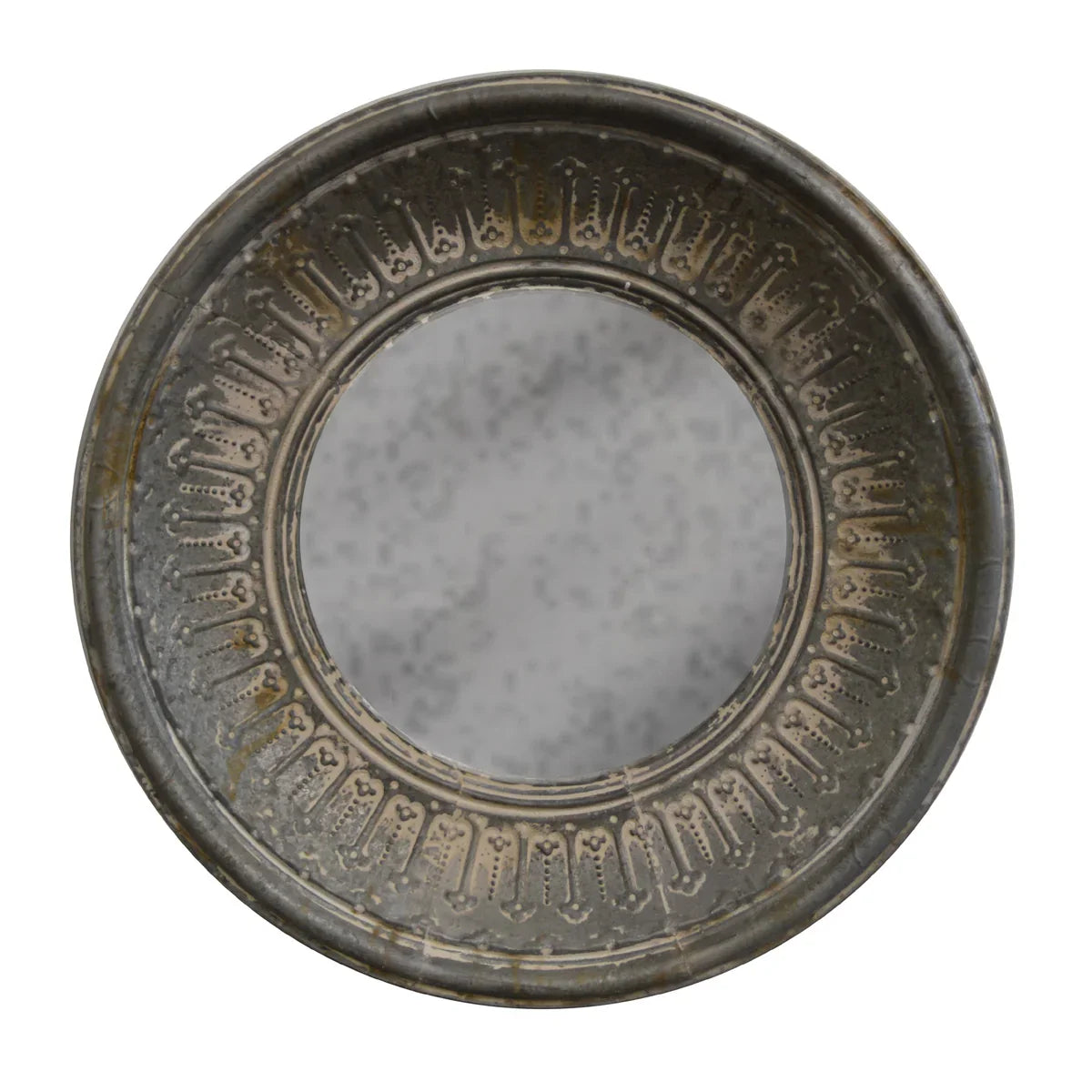
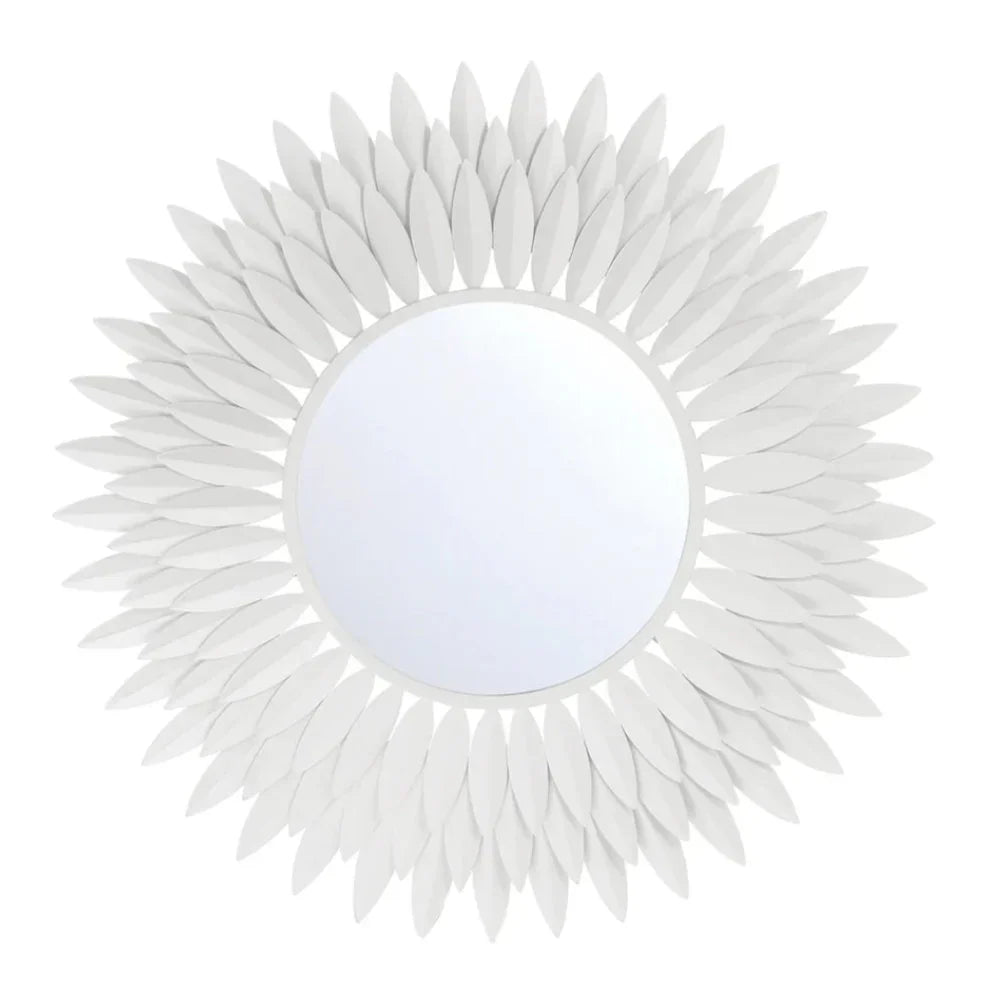
- Shabby Chic & Distressed Mirrors: Mirrors with softly worn finishes, painted frames, or antique patinas — perfect for cottage interiors, shabby chic décor, or cozy bedrooms seeking subtle vintage character.
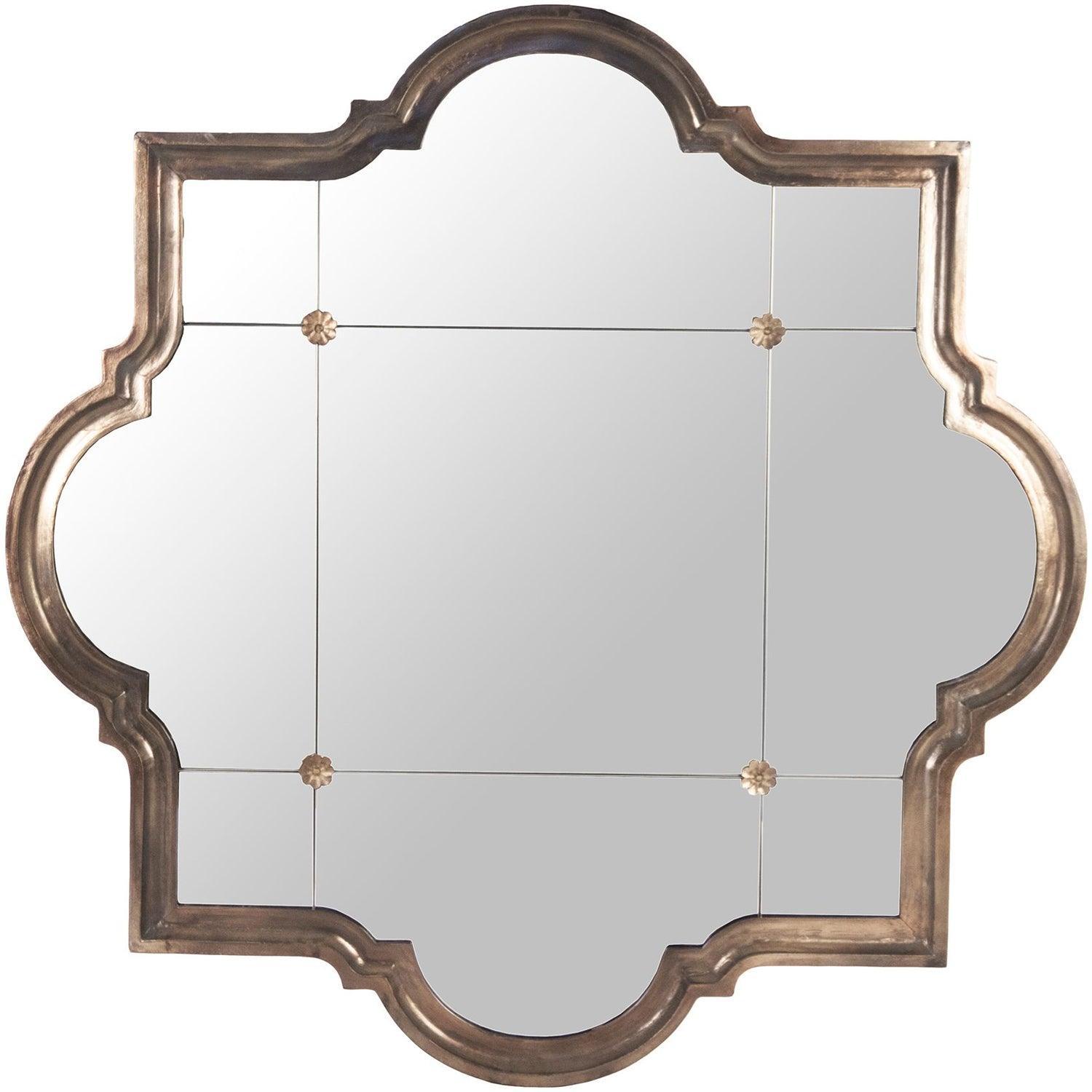
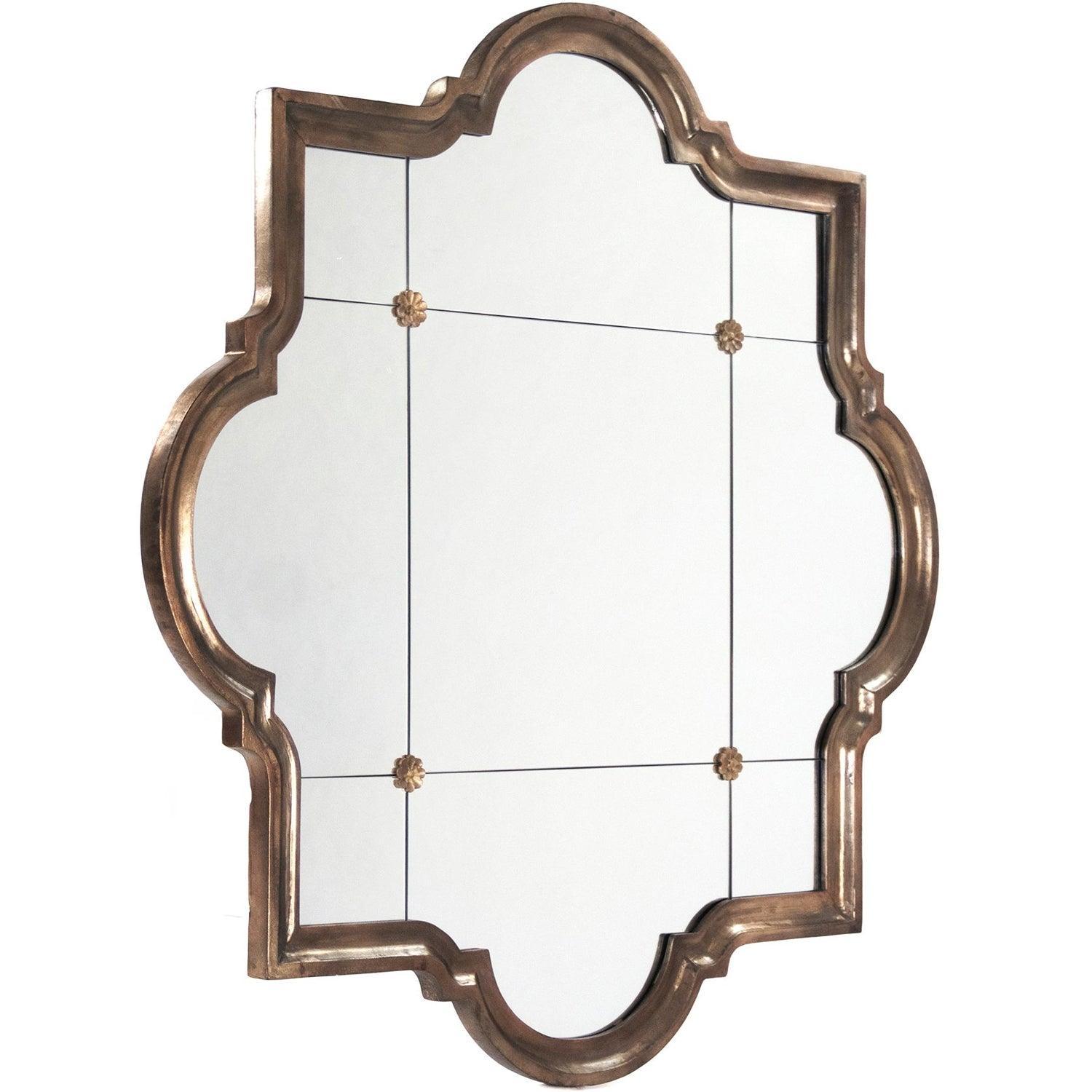
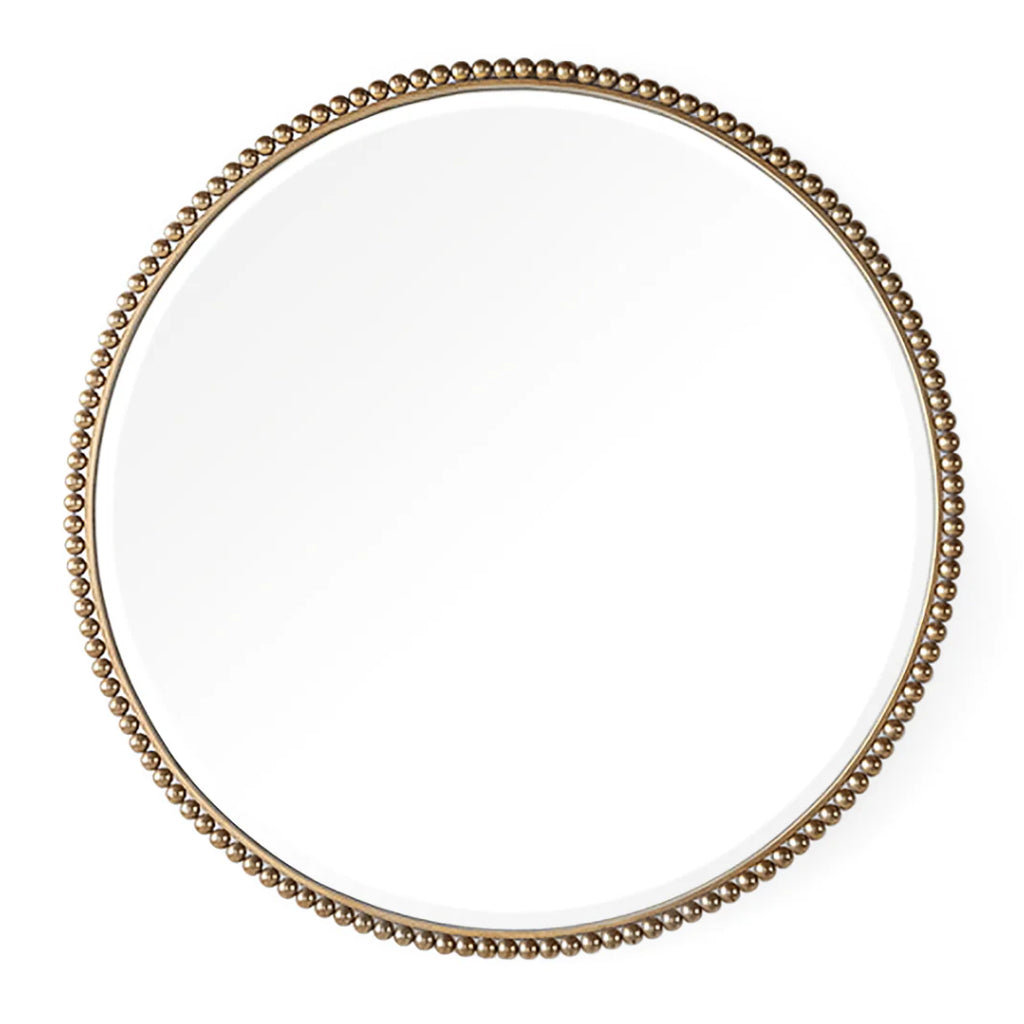
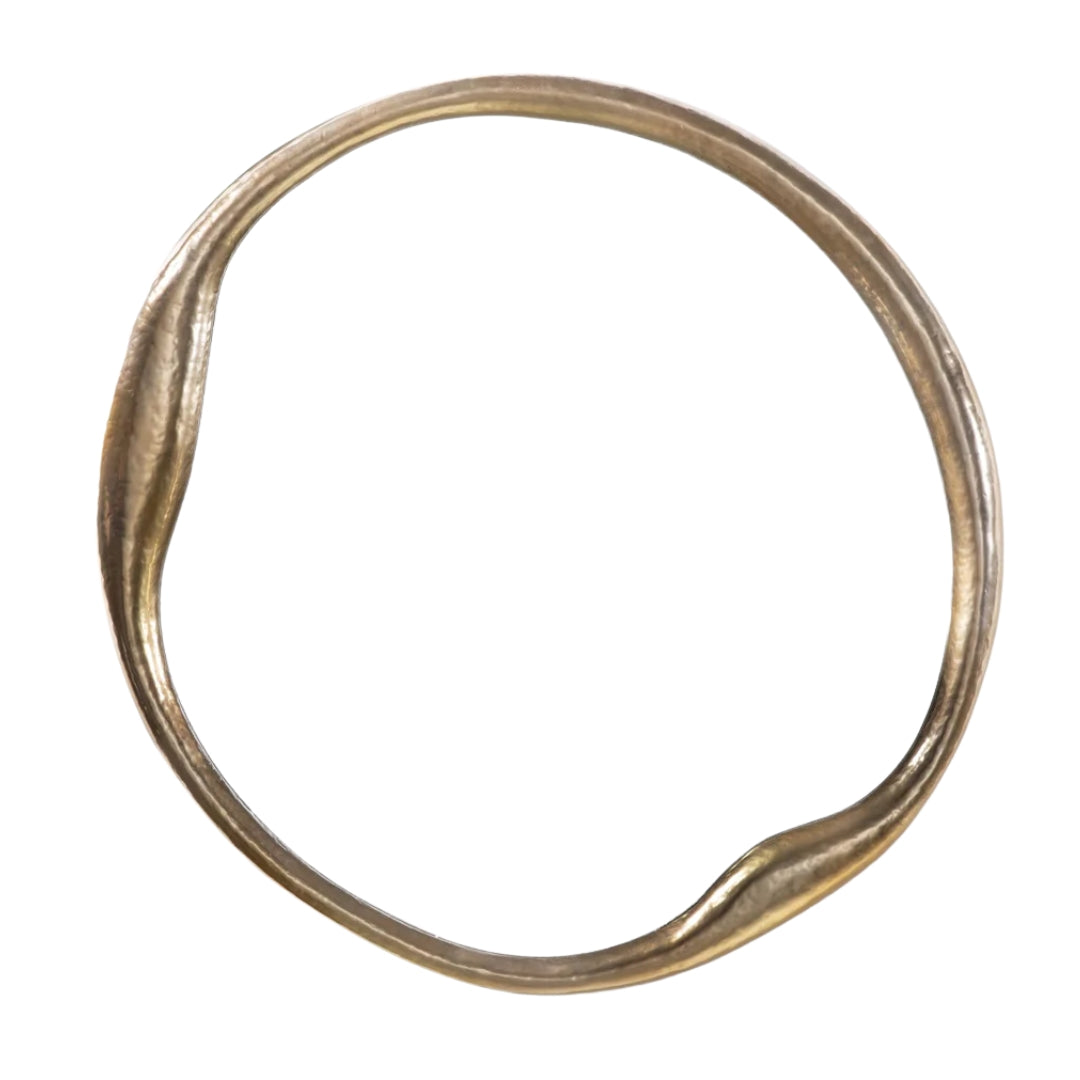
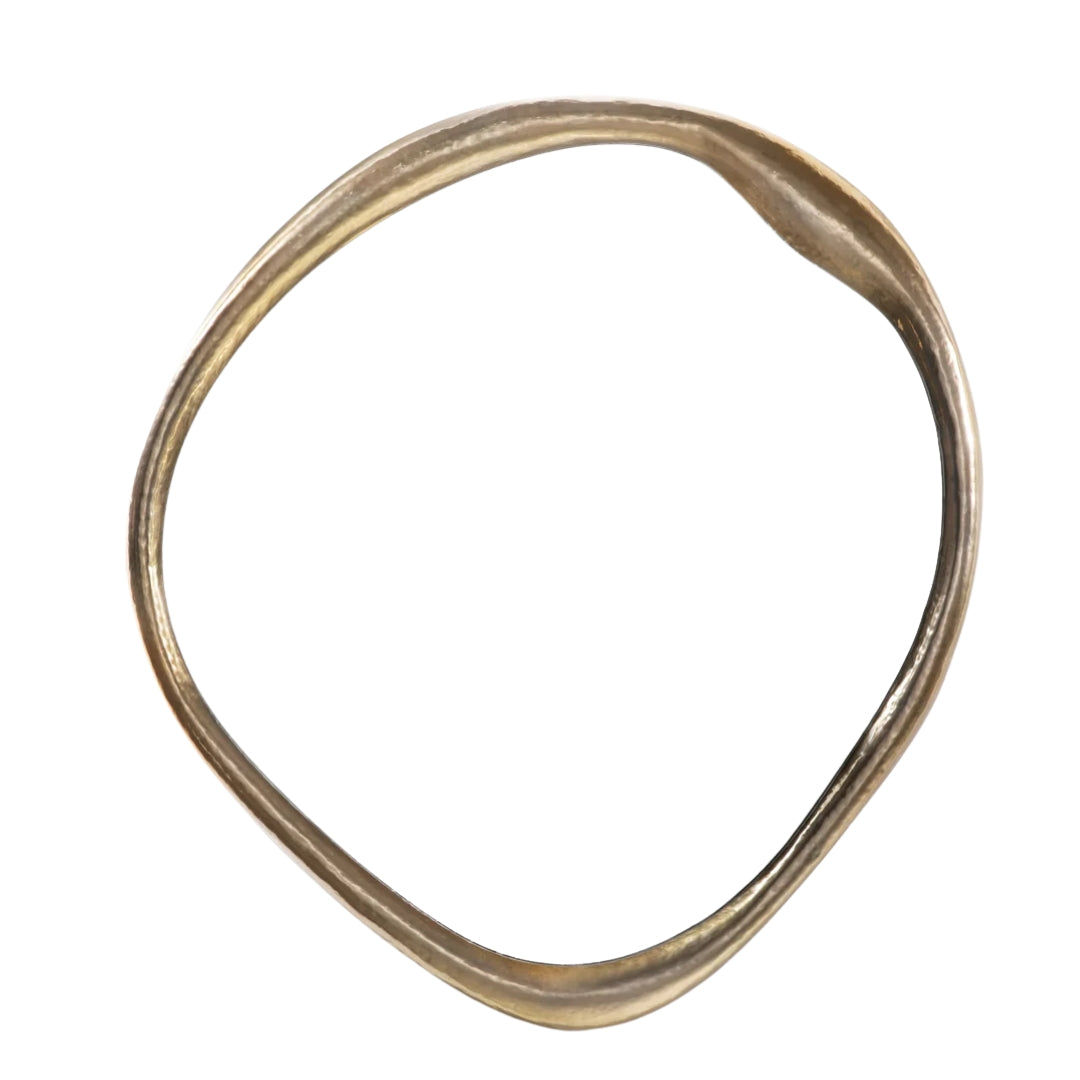
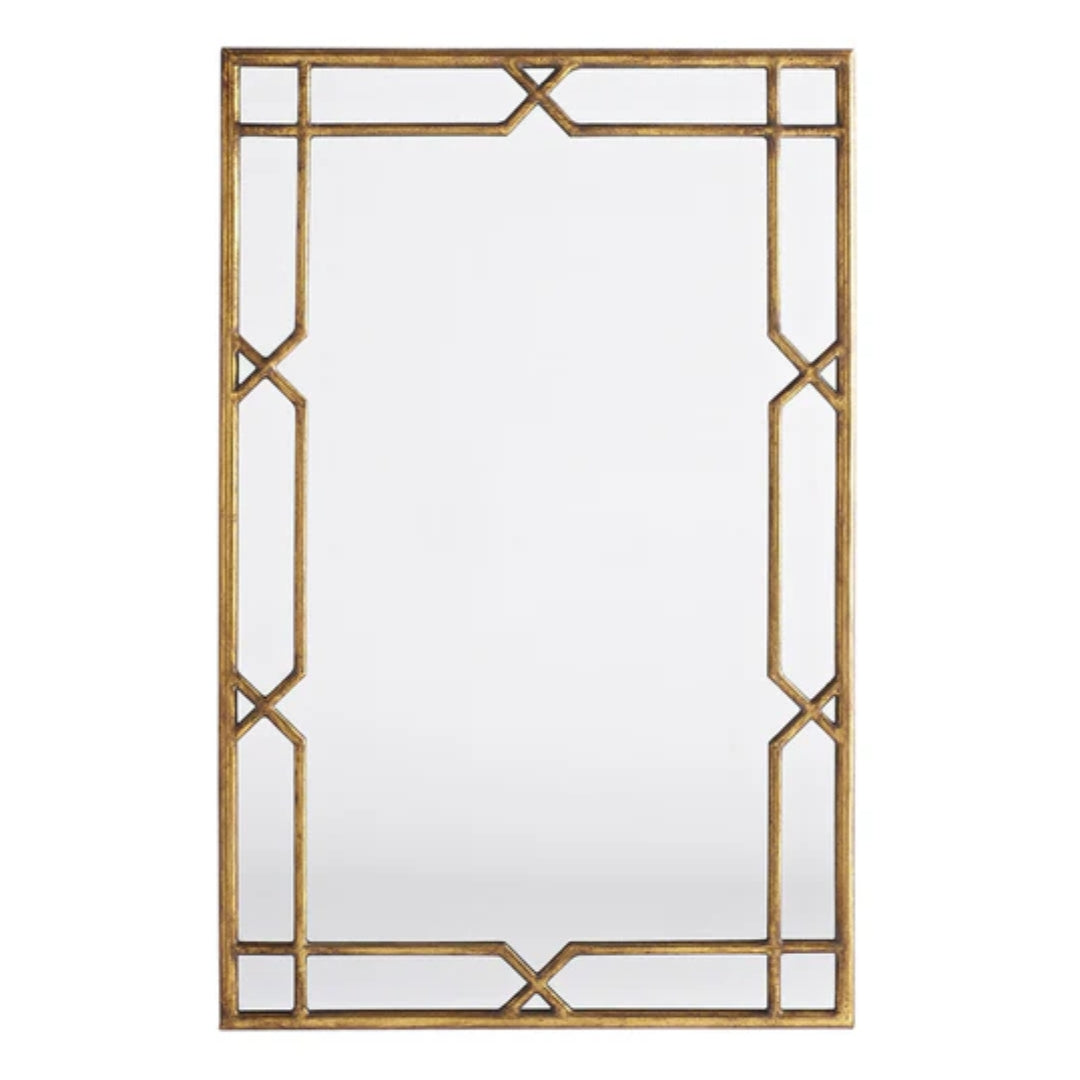
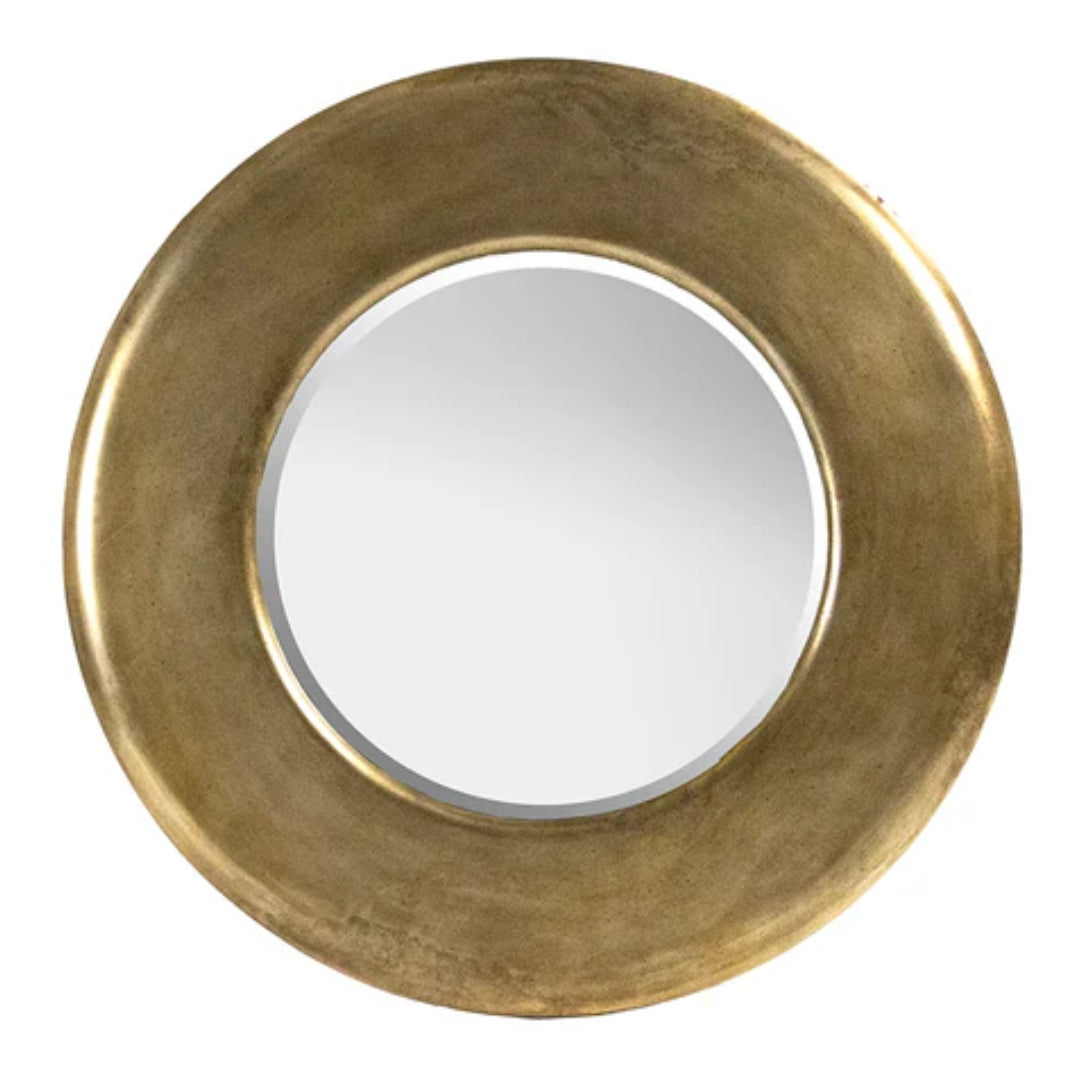
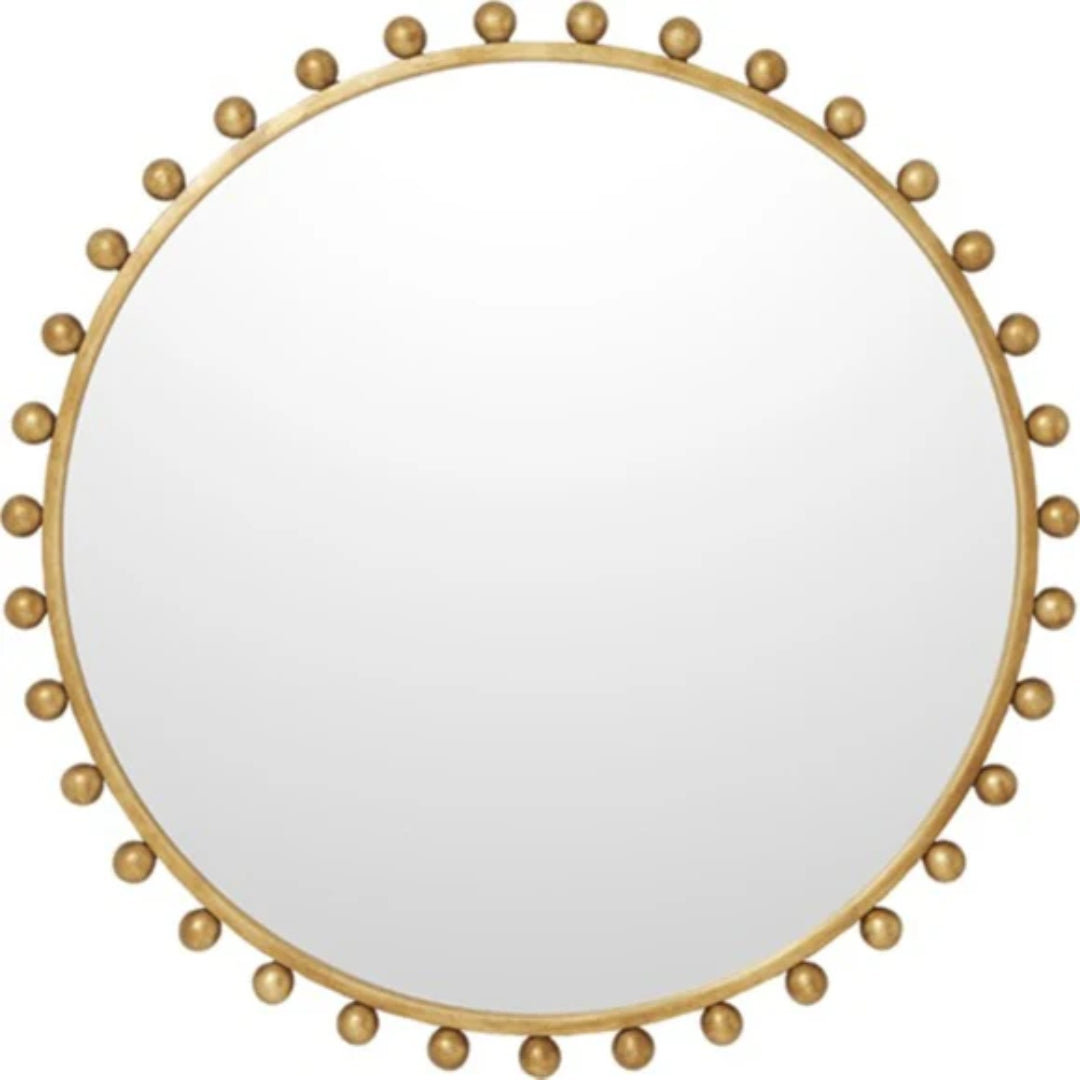
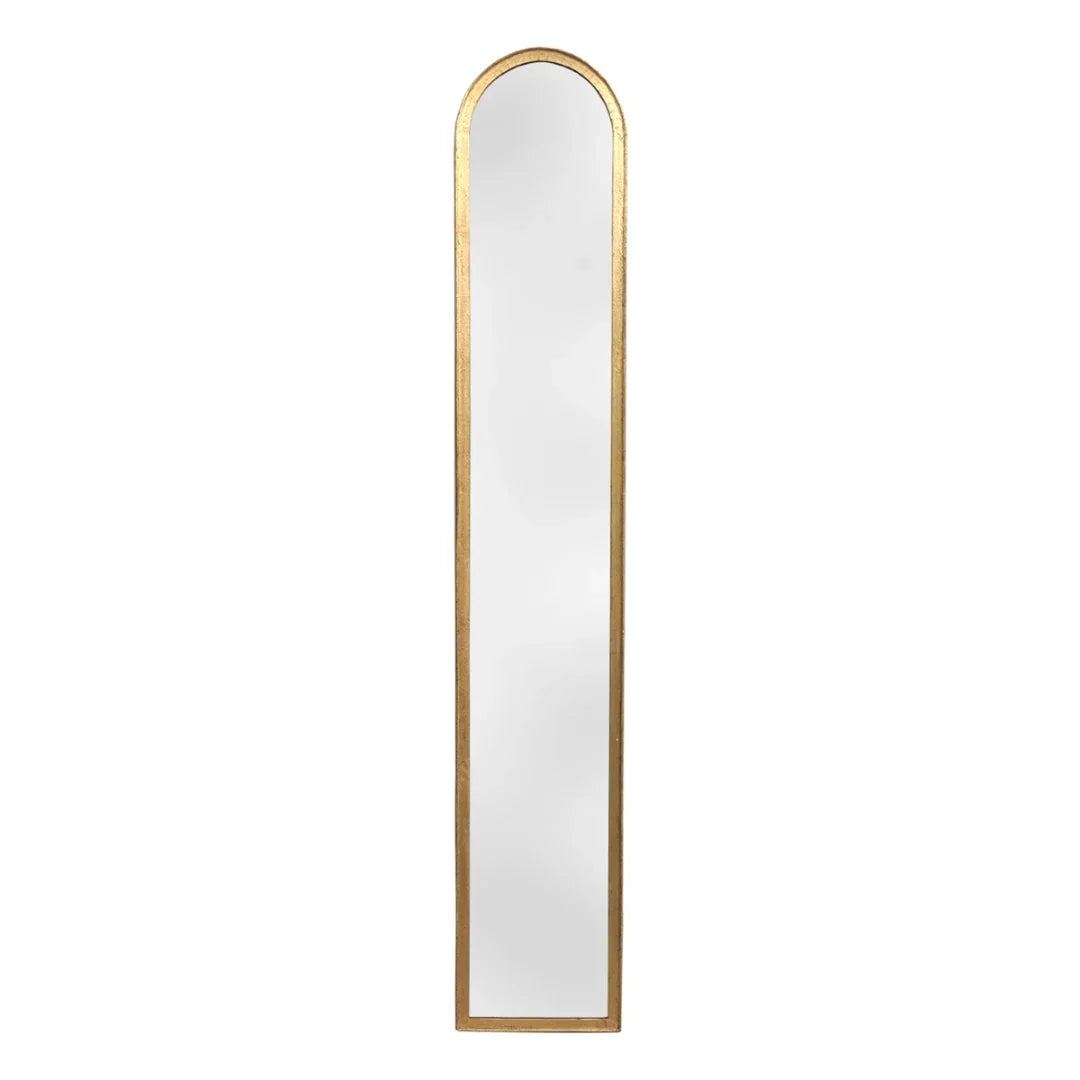
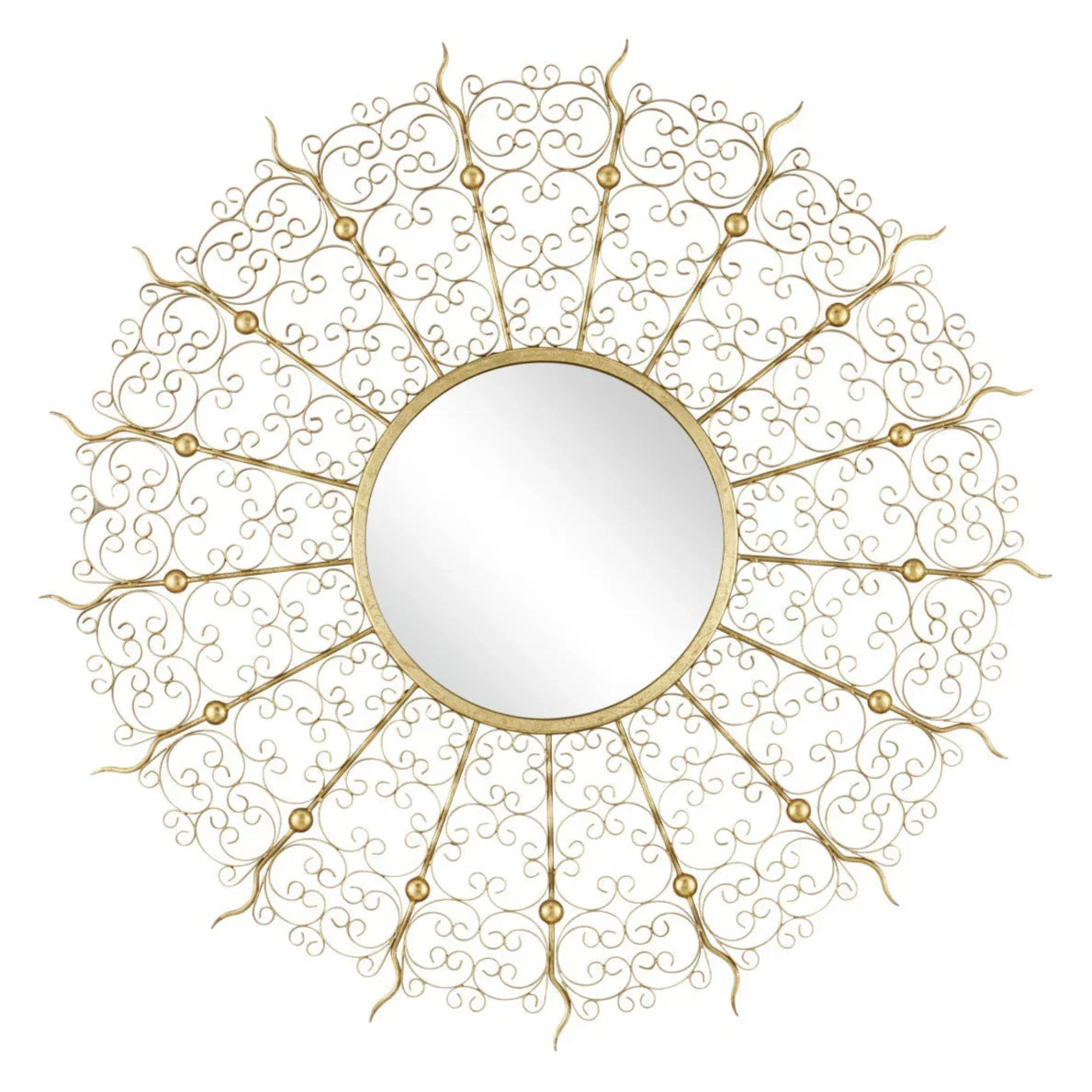
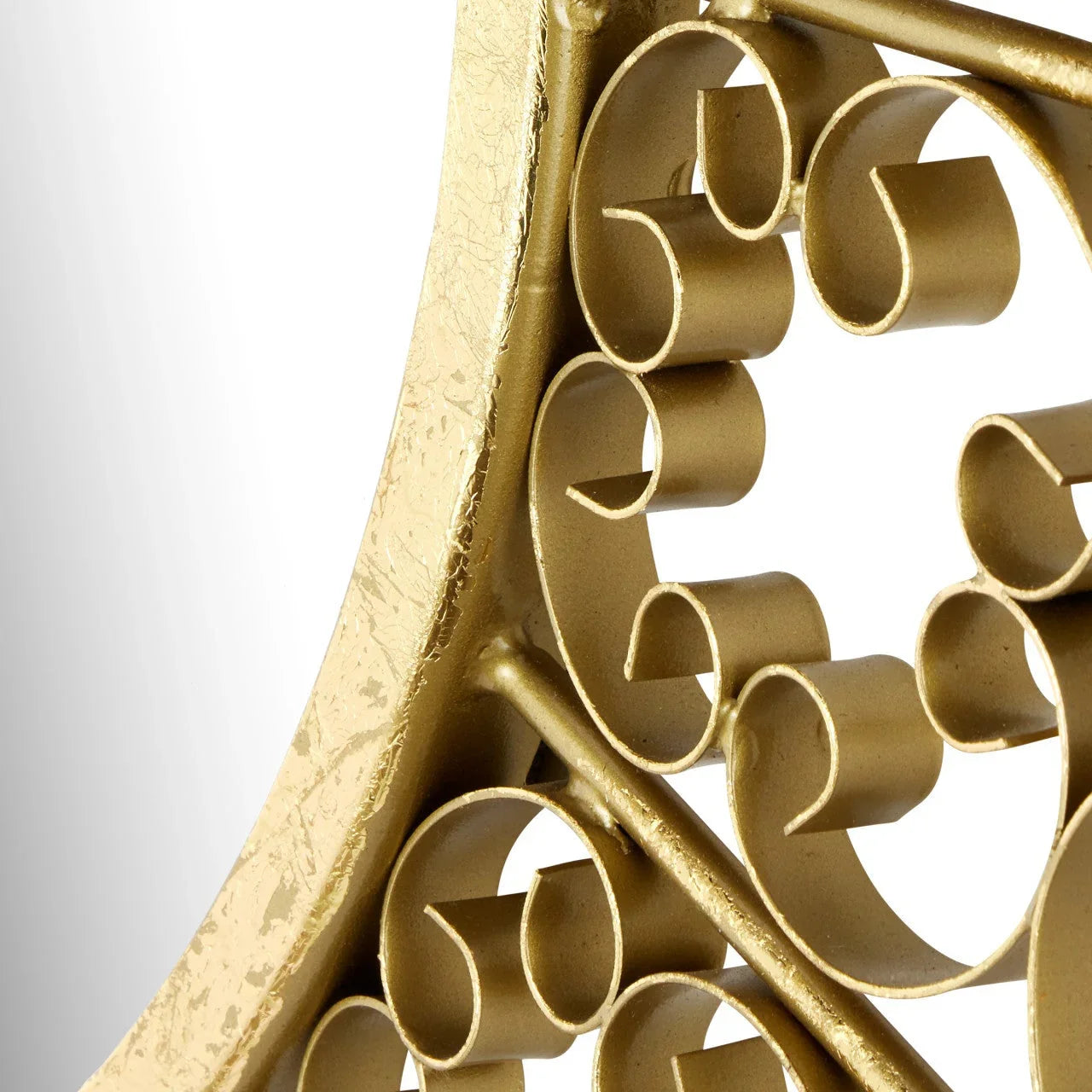
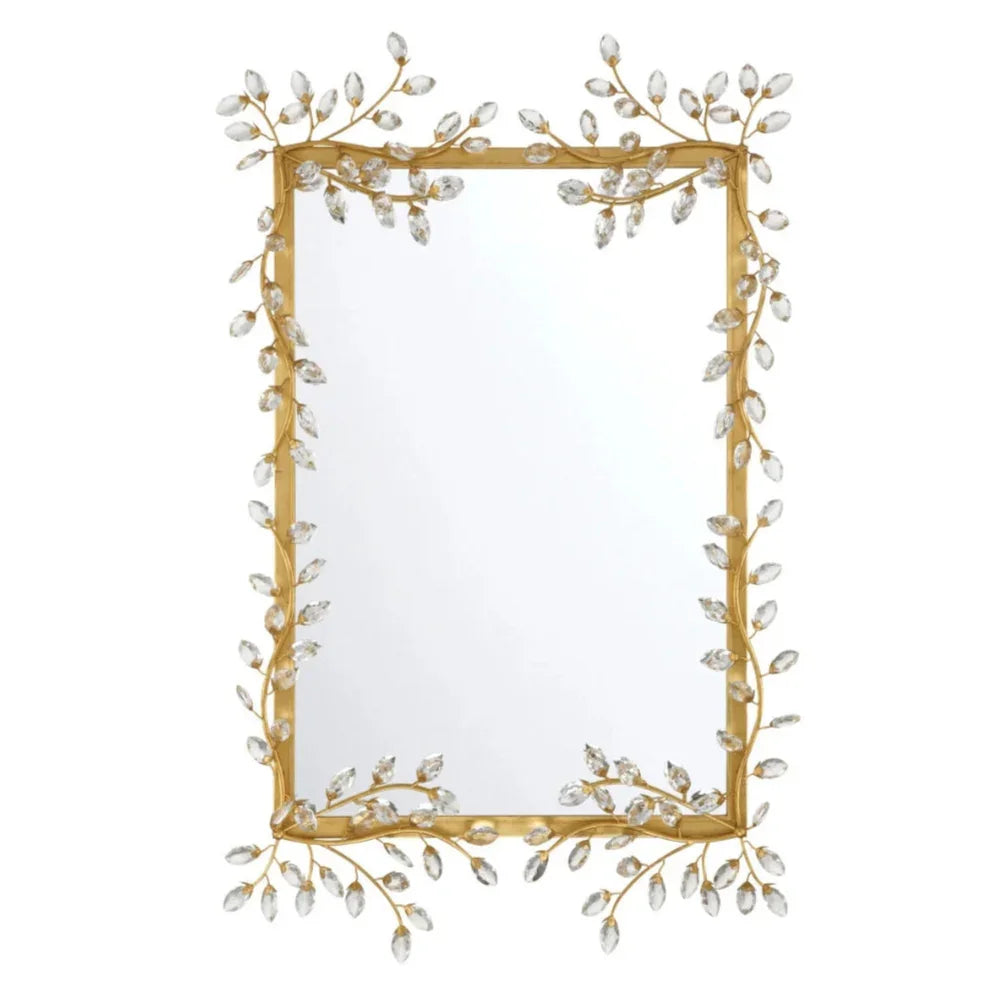
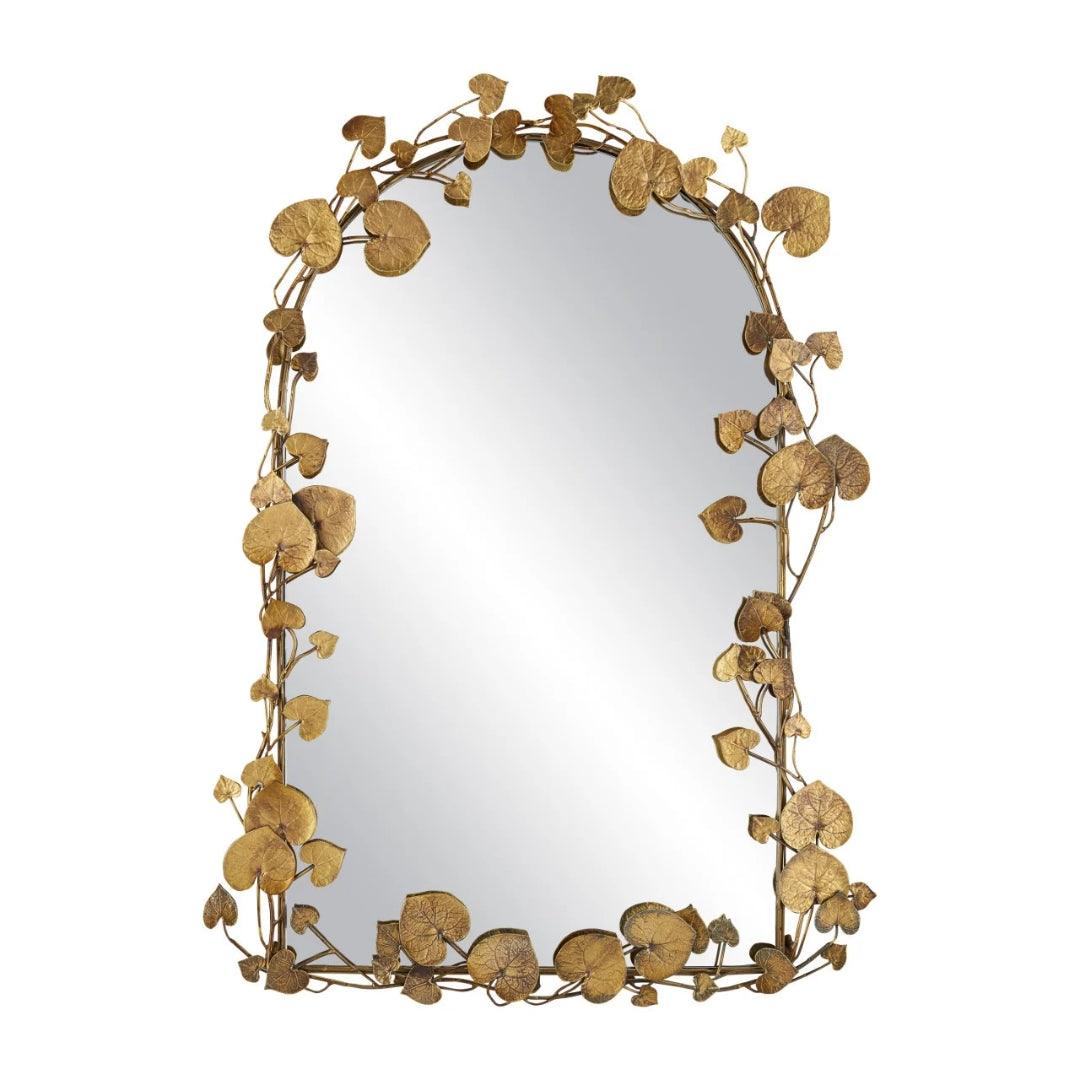
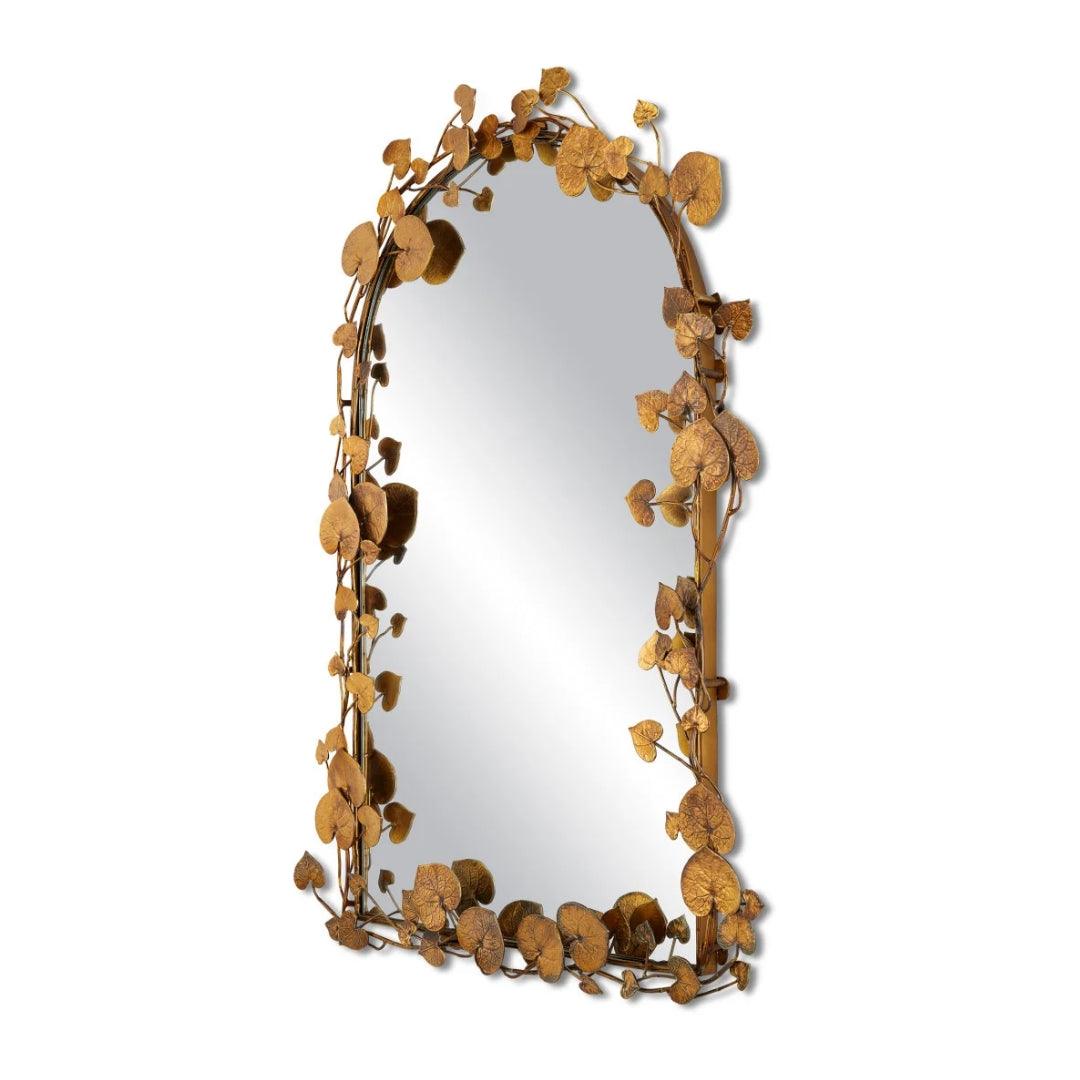
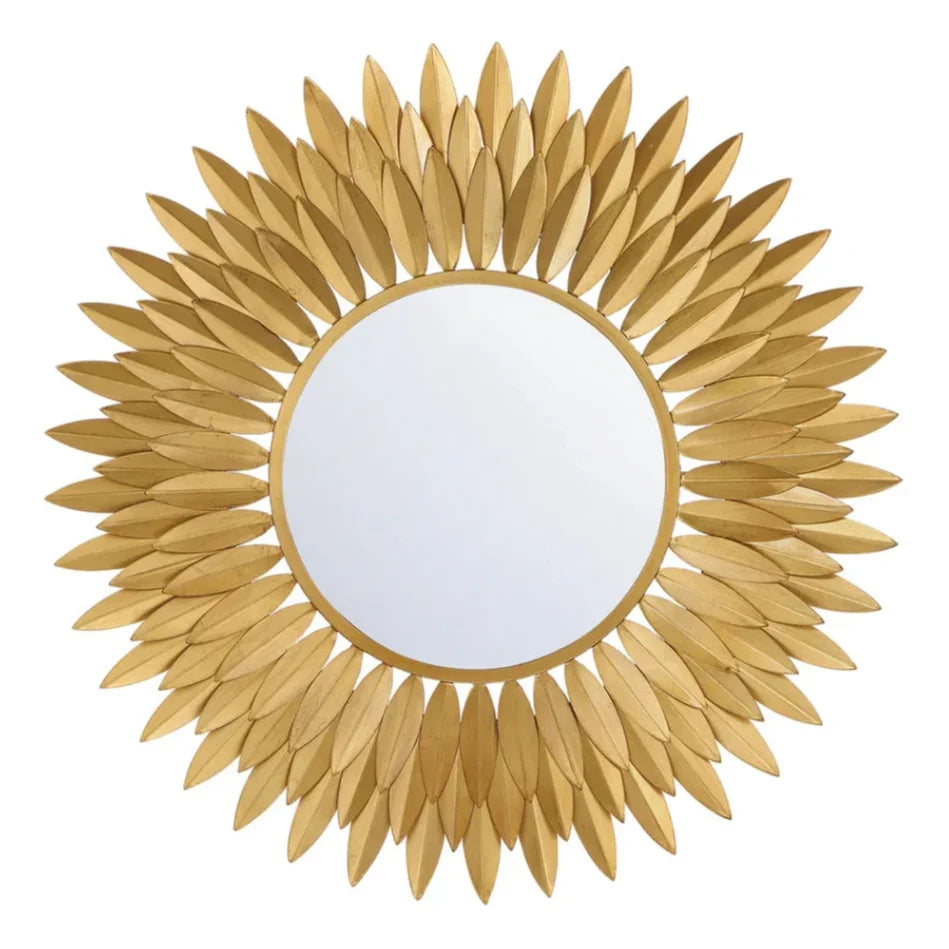
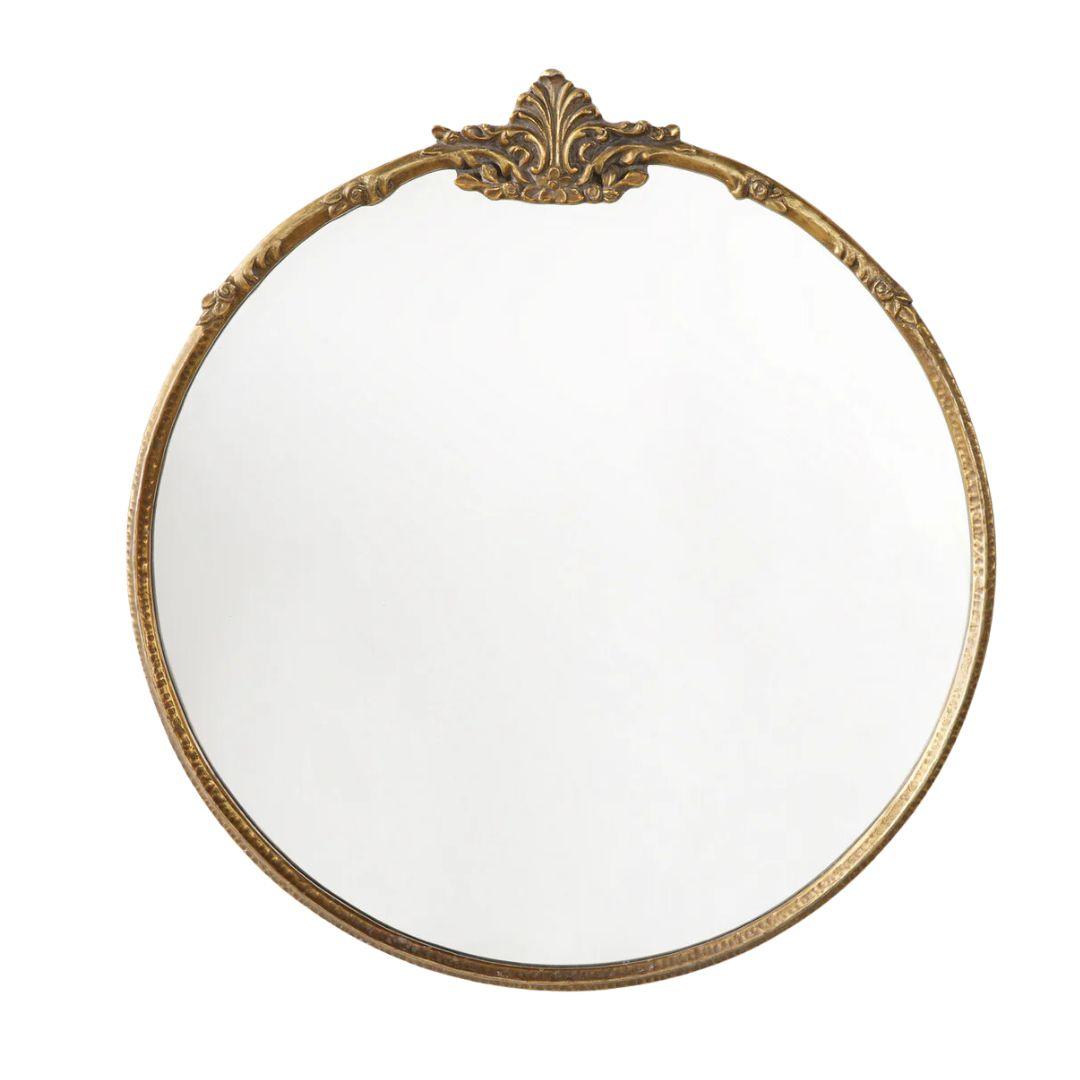
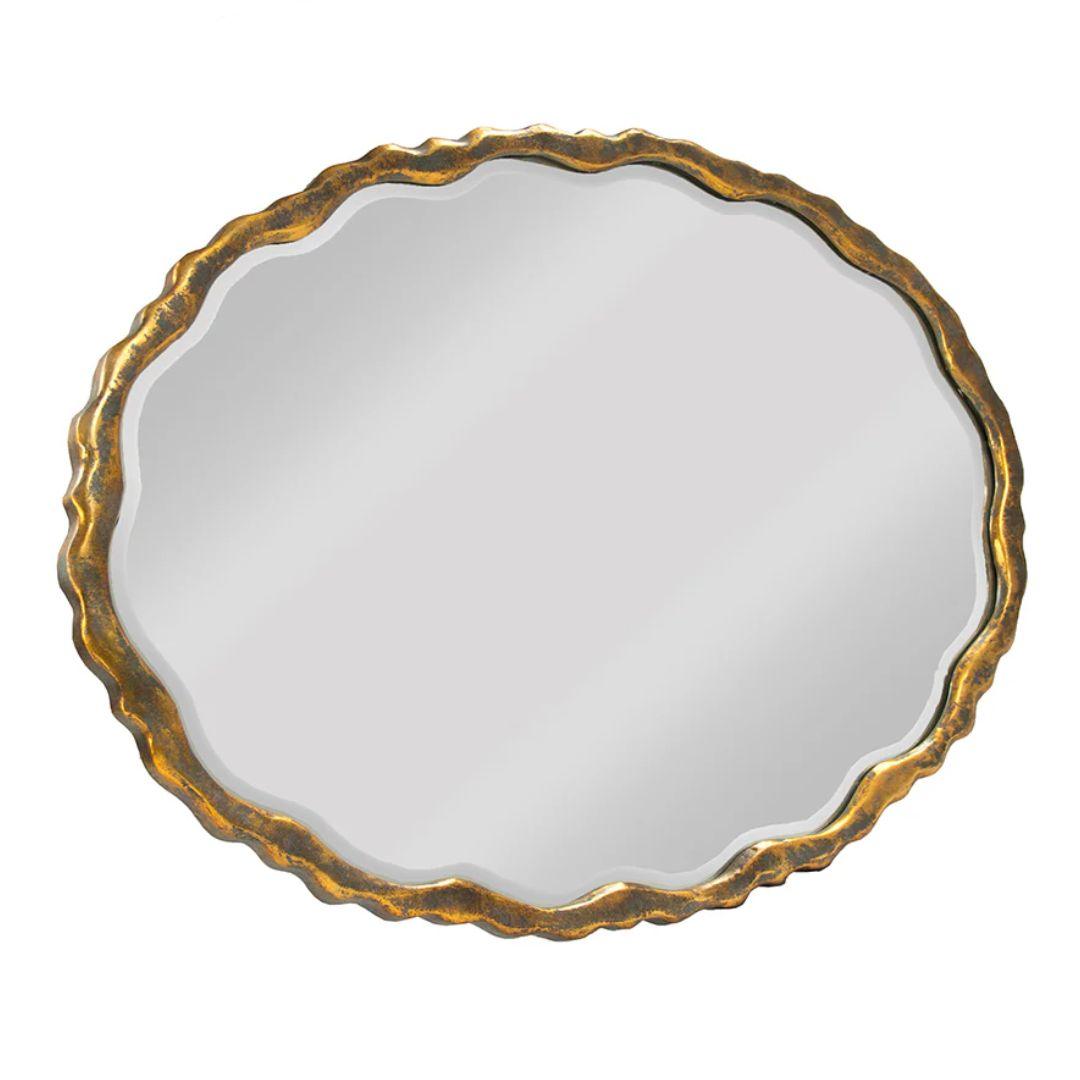
- Gold Contemporary Mirrors: Sleek mirrors with gold-metal or gold-leaf frames — offering a modern, luxurious accent that pairs with contemporary, glam, or transitional interiors.
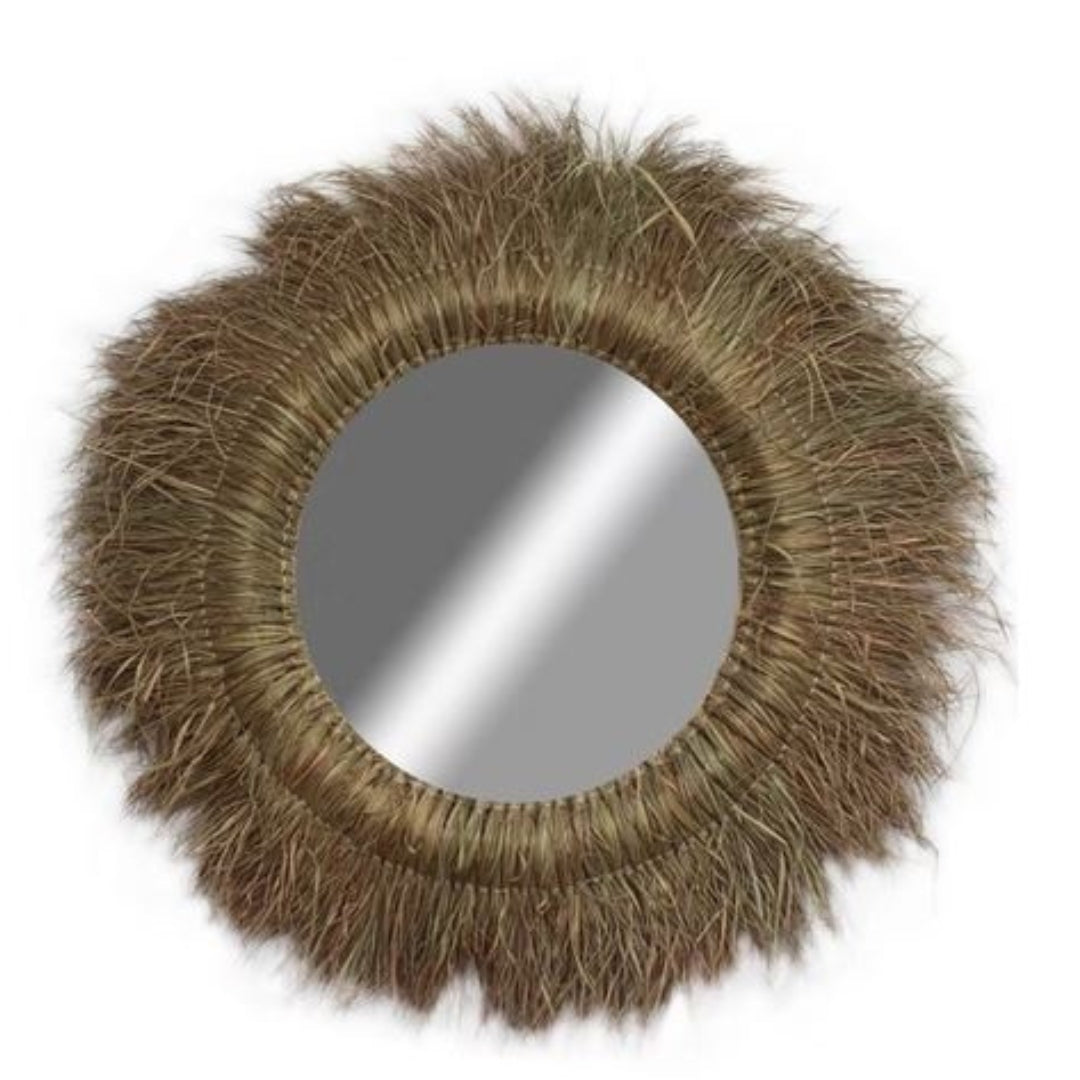
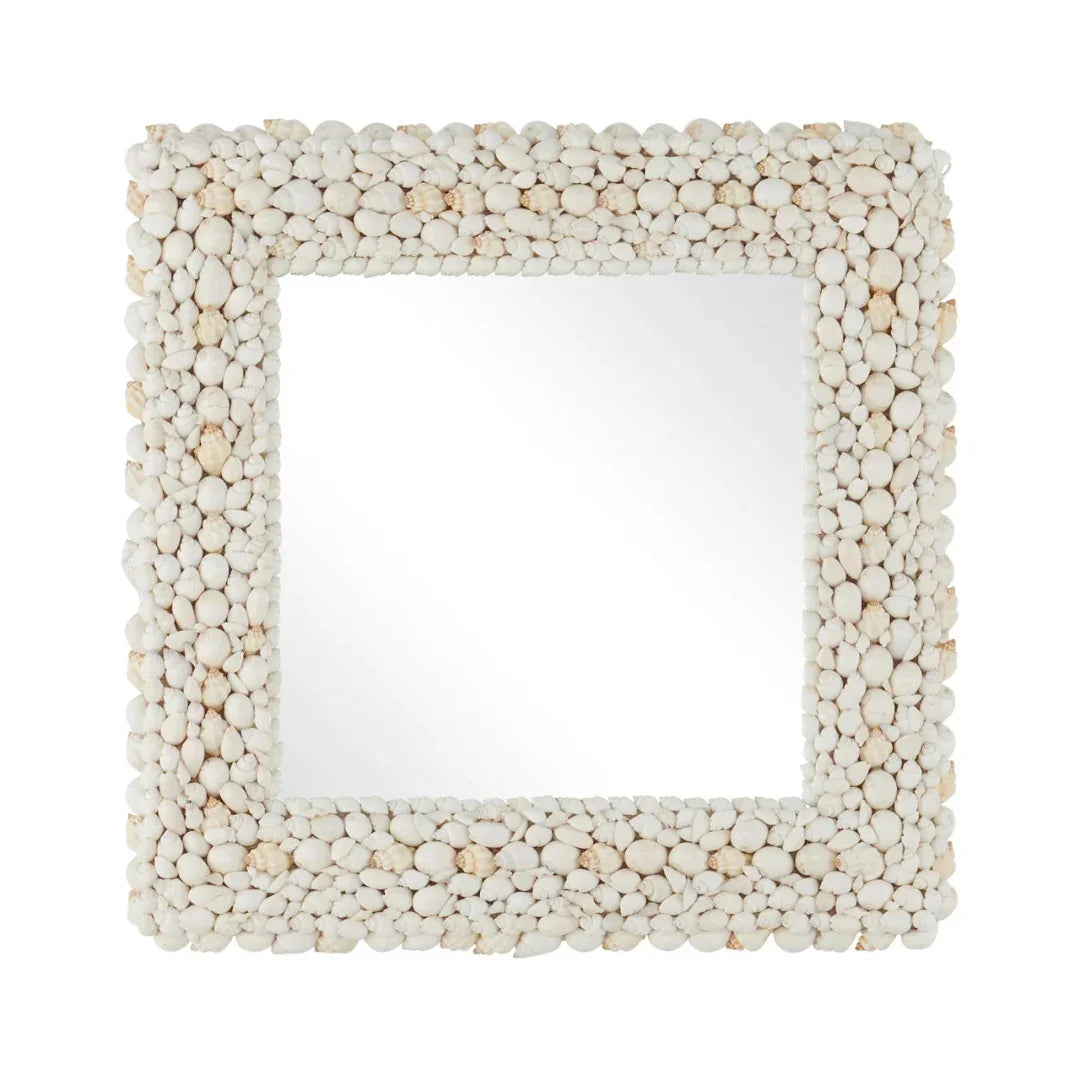
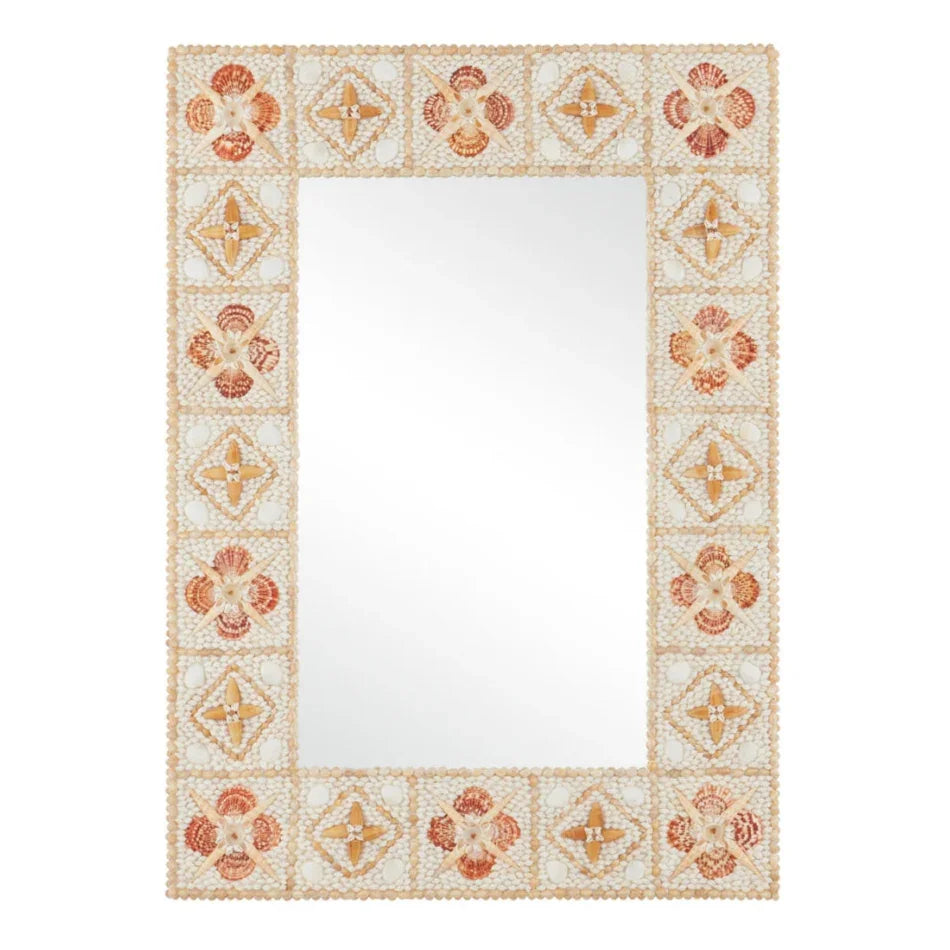
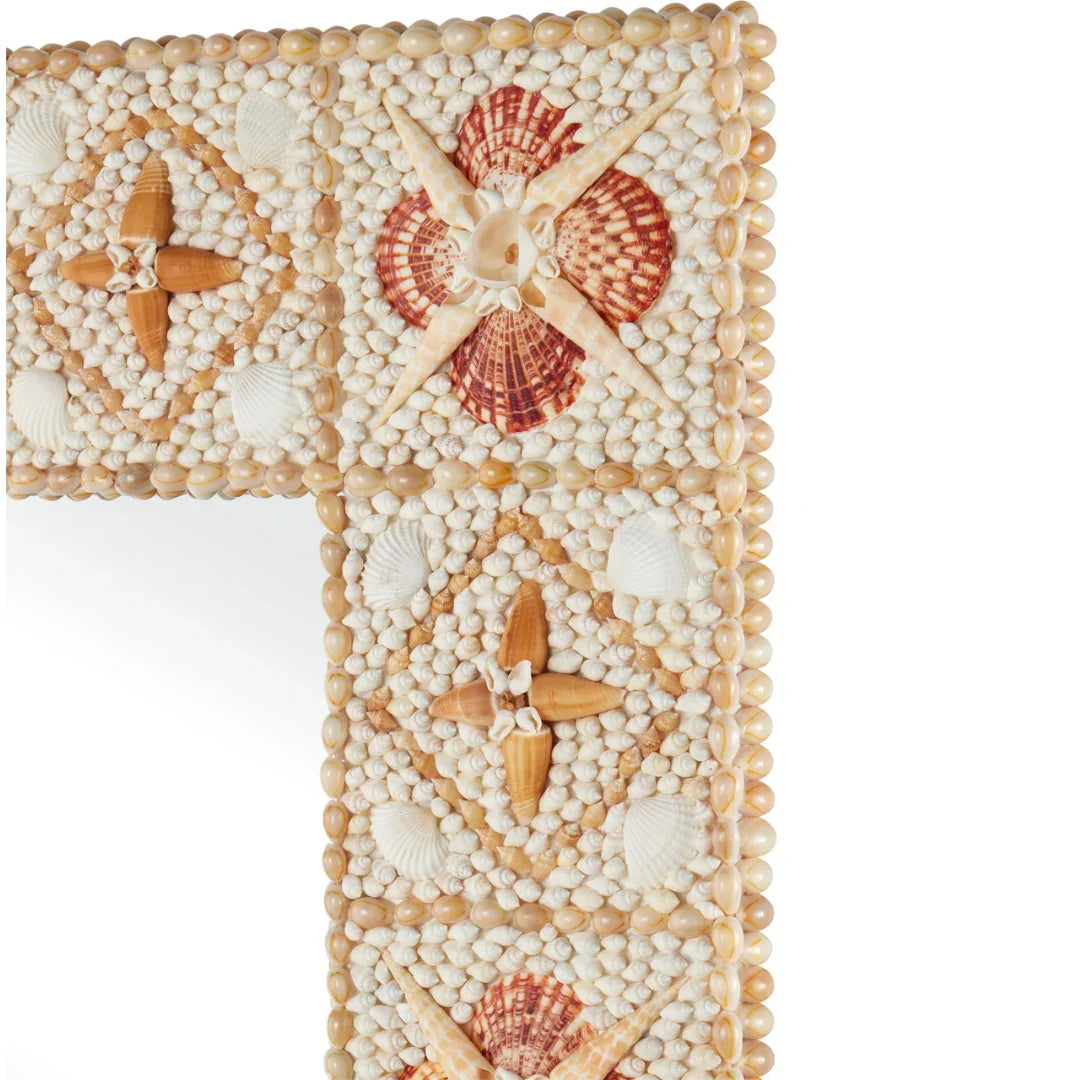
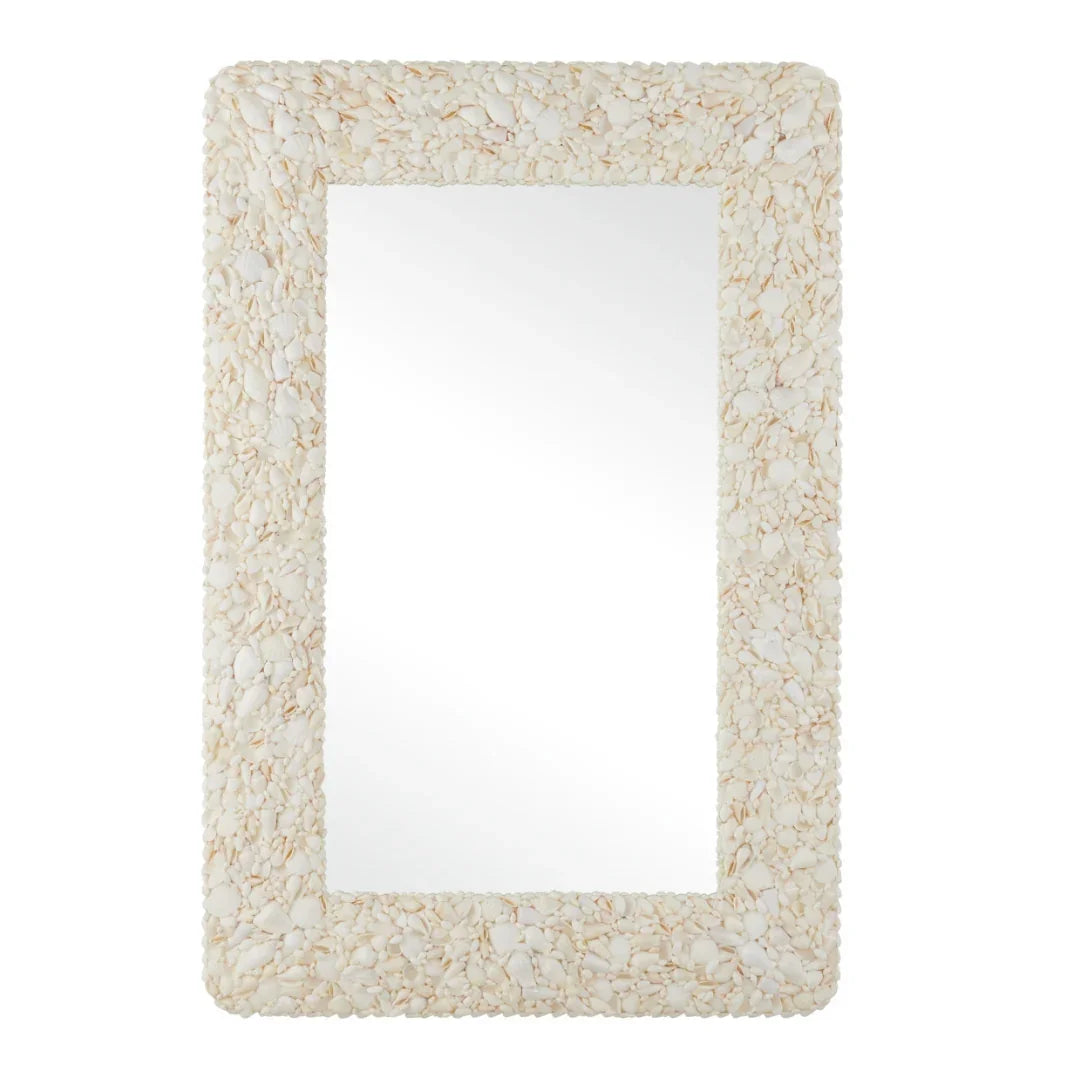
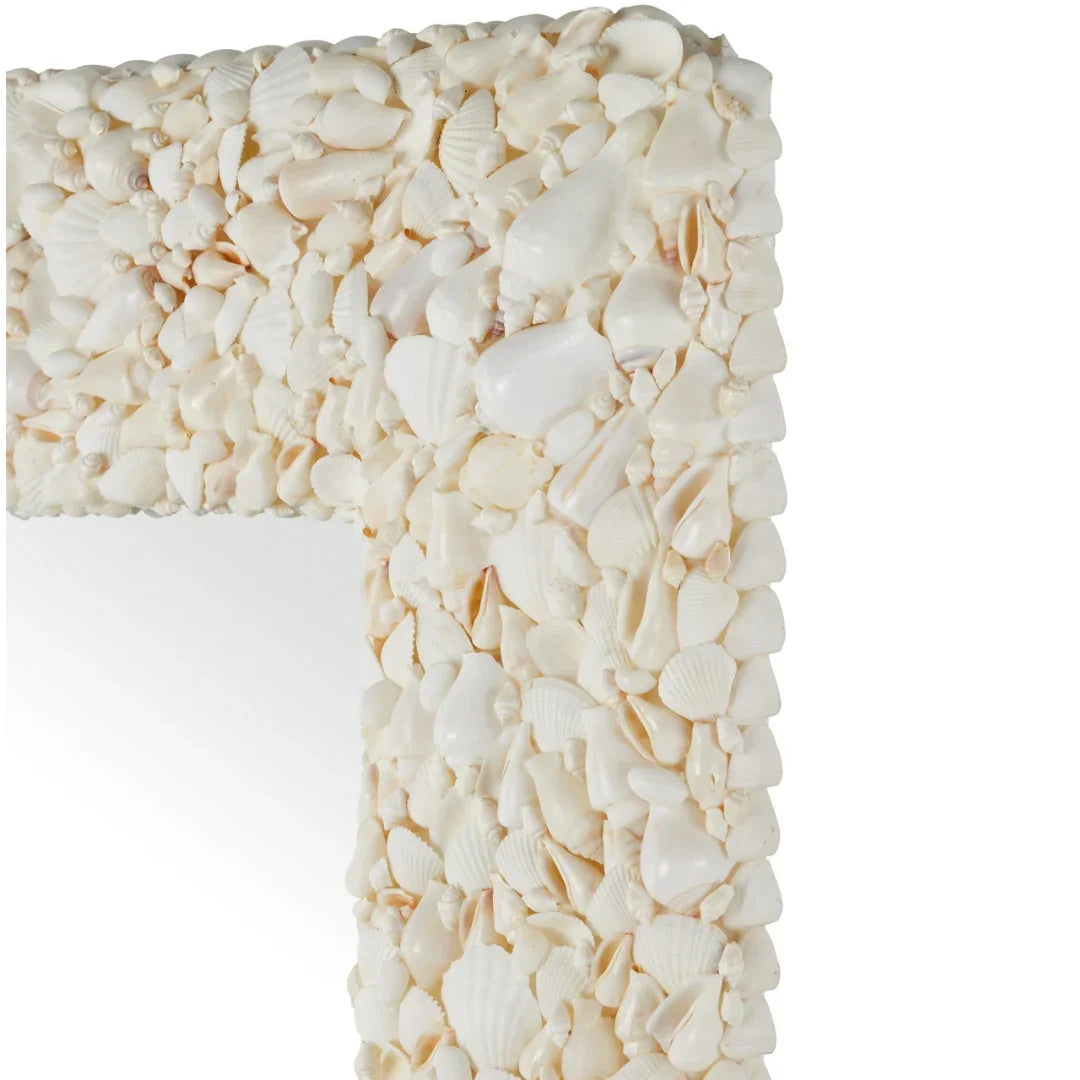
- Natural Coastal & Shell-Inspired Mirrors: Mirrors framed with shell motifs, driftwood finishes, or nautical textures — great for coastal cottages, beach-style homes, or rooms seeking breezy seaside vibes.
Learn more about styling with the right mirrors from Good Housekeeping: The Best Ways to Style Mirrors Around Your Home
How to Choose the Right Chandelier Size & Placement
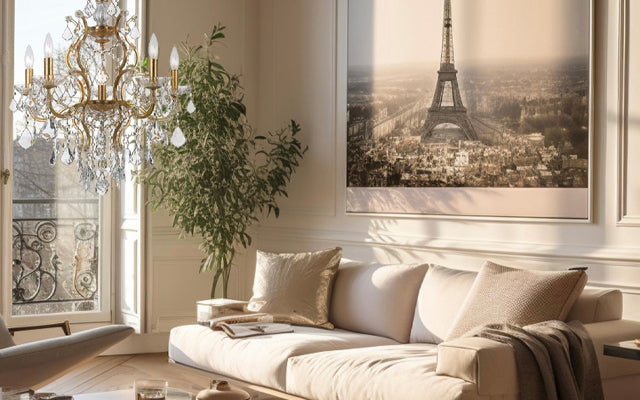
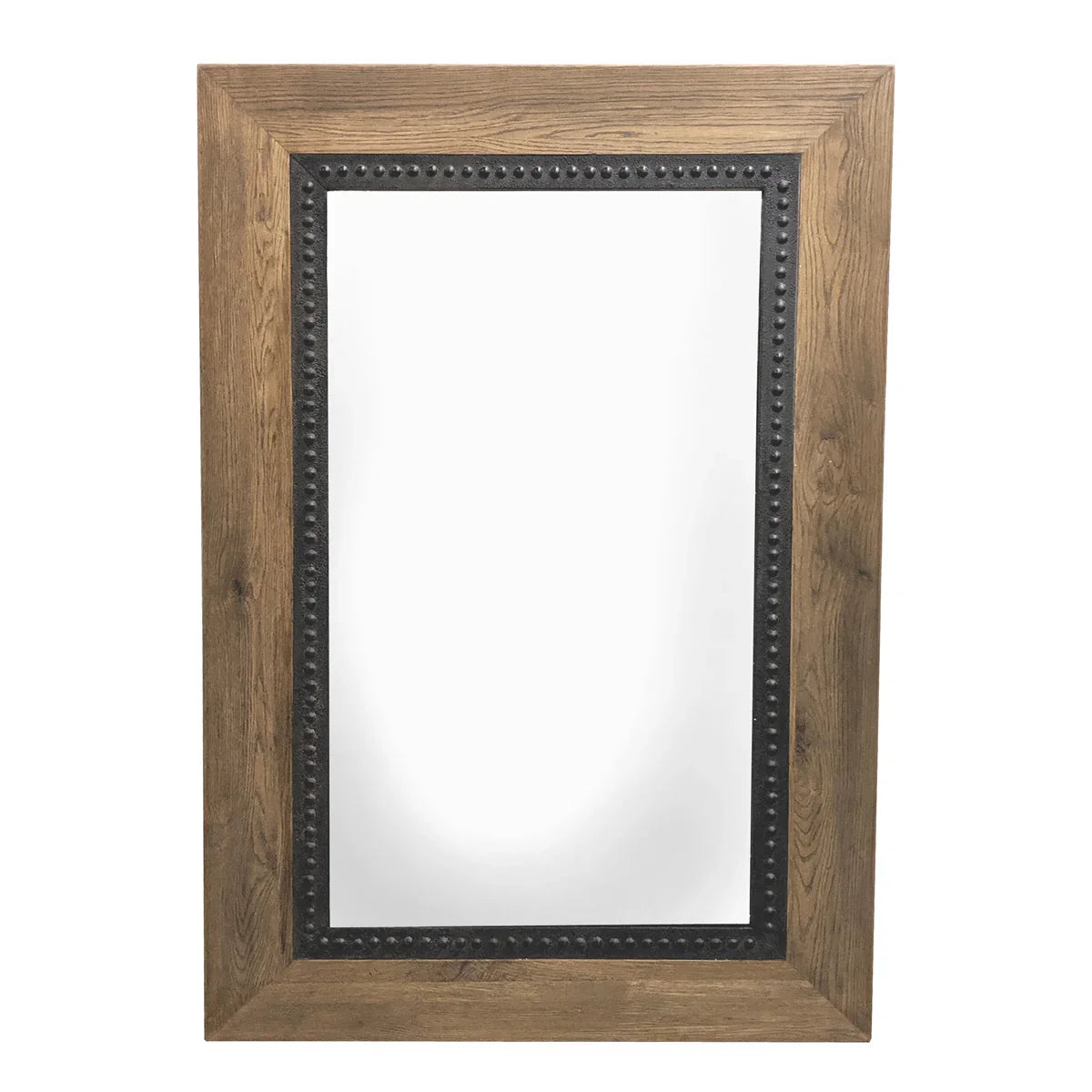
- Living Room Mirrors: Choose a mirror that spans ⅔–¾ of the sofa's width for proper balance. Rectangular or gently arched mirrors work well for clean symmetry, while round or oval shapes soften modern or eclectic seating areas. Hang with the center near eye level, leaving 6–10 inches above the sofa back.
- Mantel Mirrors: Select a mirror slightly narrower than the mantel to keep the composition grounded. Arched mirrors and French trumeau mirrors emphasize verticality and create a relaxed focal point. Mount so the bottom sits 4–6 inches above the mantel, or lean for a layered look.
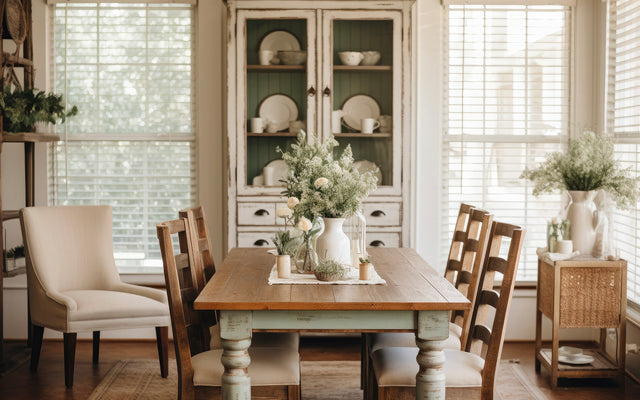
- Dining Room Mirrors: Above a sideboard or buffet, choose a mirror ⅔–¾ the width of the furniture. Rectangular and oversized designs enhance depth and beautifully reflect chandeliers. Keep the bottom edge 6–8 inches above the surface for a refined, gallery-like effect.
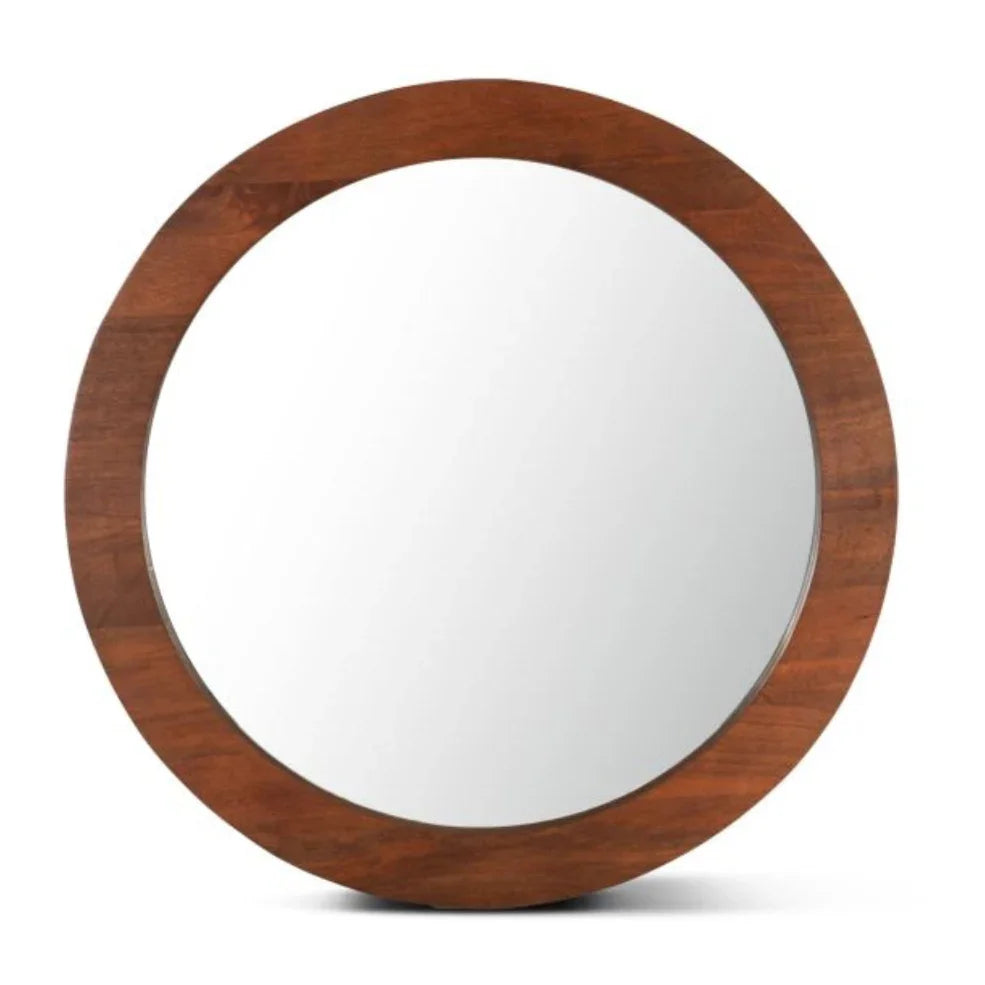
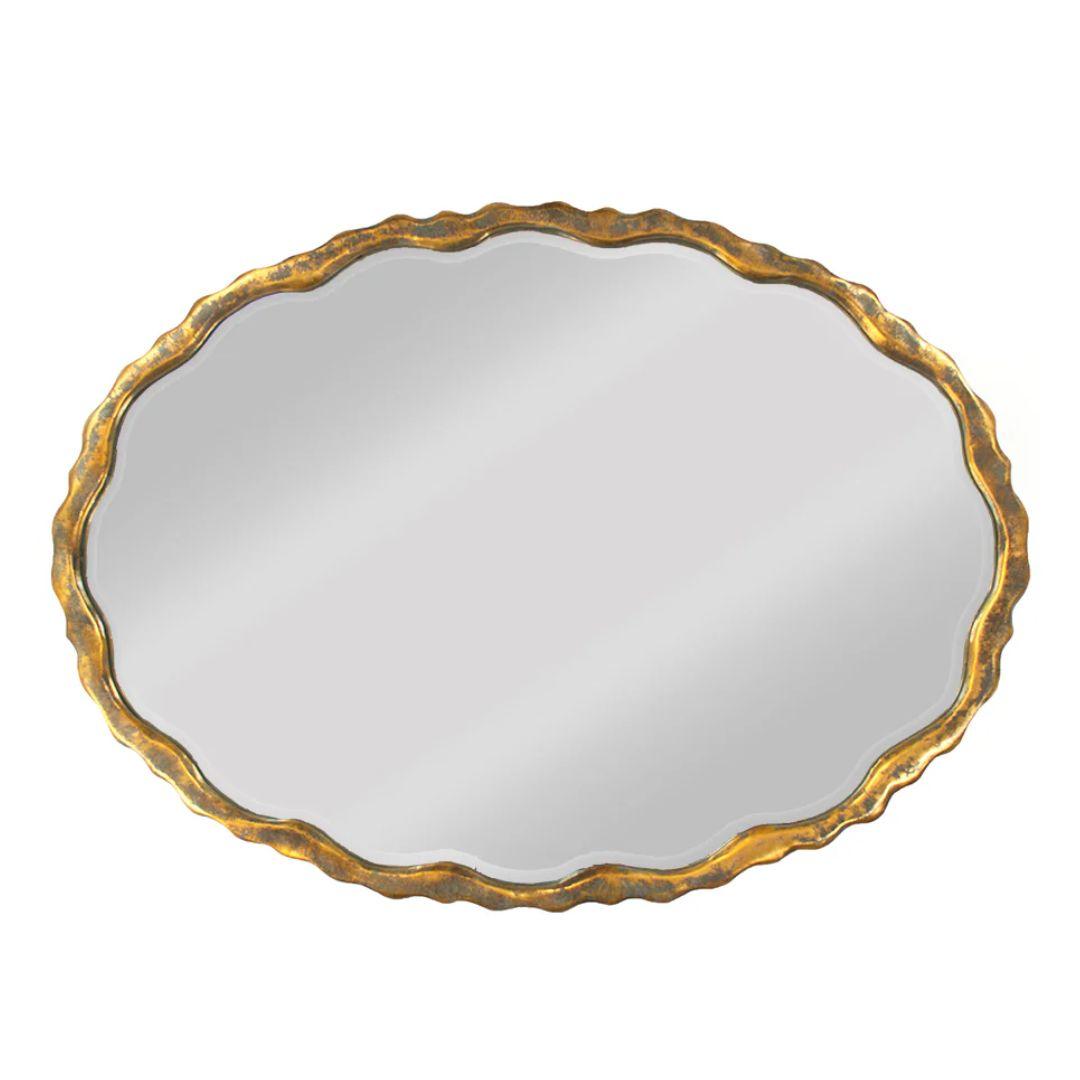
- Rounded Bedroom Mirrors: Opt for softer shapes—ovals, arches, or rounds—to create a calming feel. Over a dresser, match the mirror width to ½–¾ of the dresser. Full-length mirrors are ideal for function and visual expansion; places where they reflect light, not clutter.
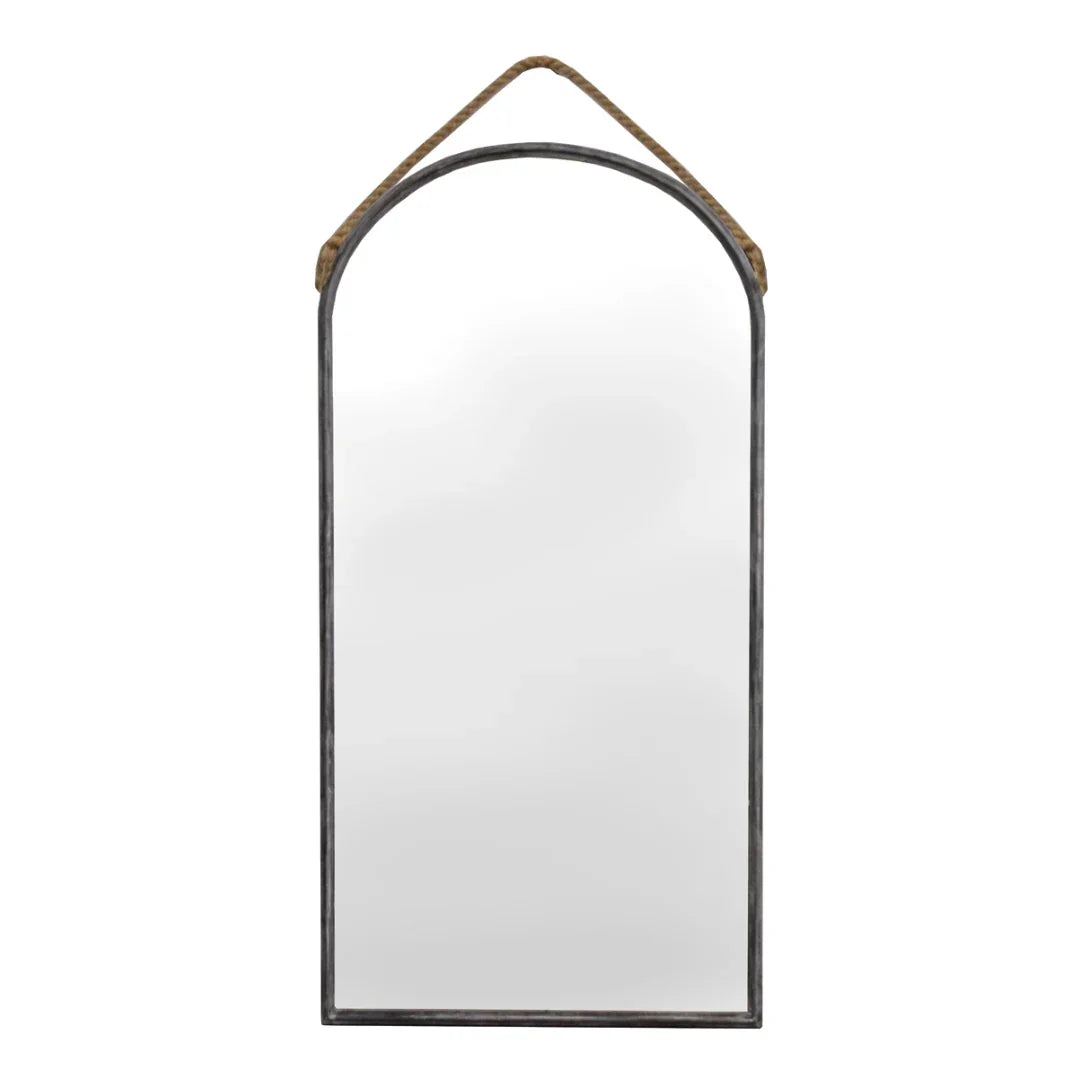
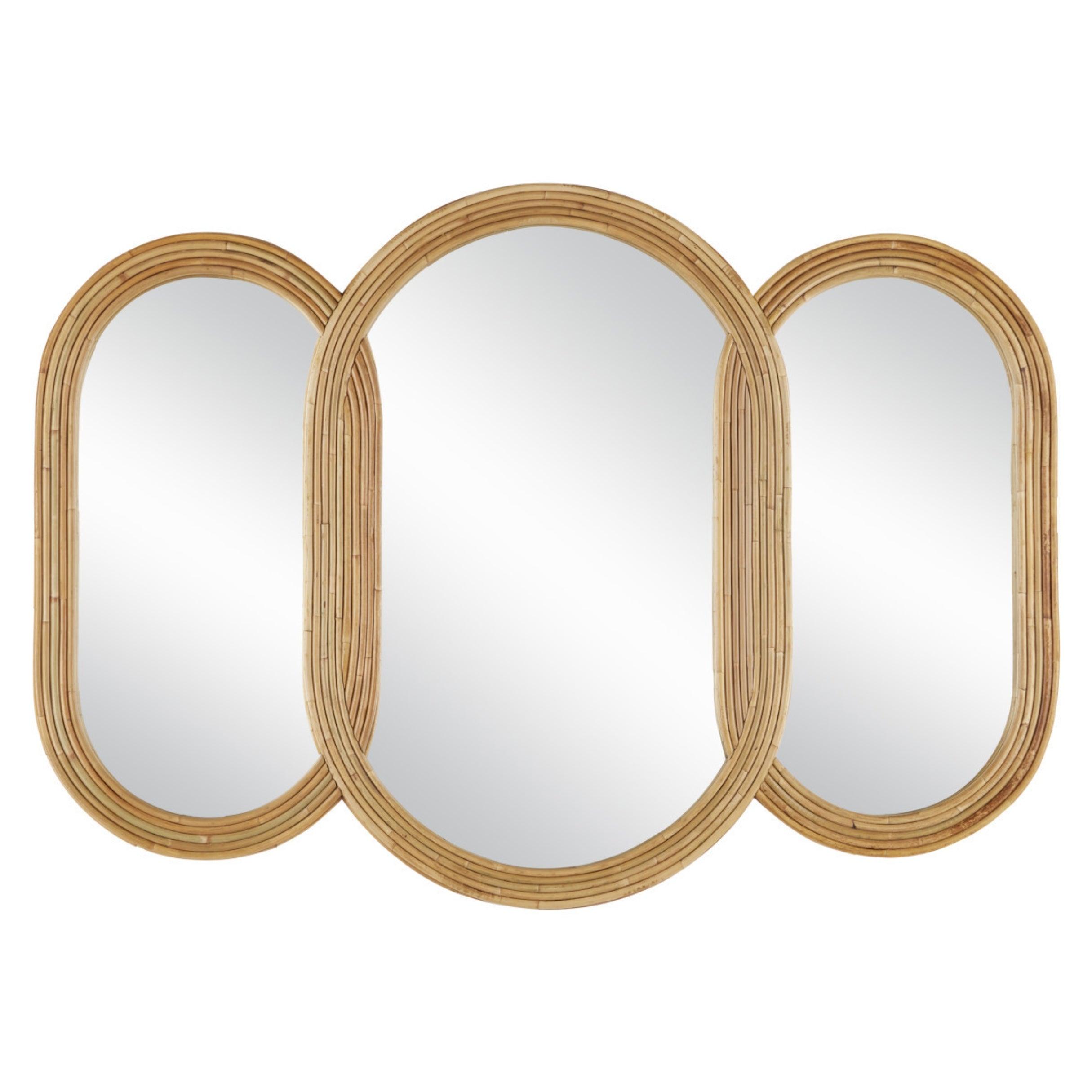
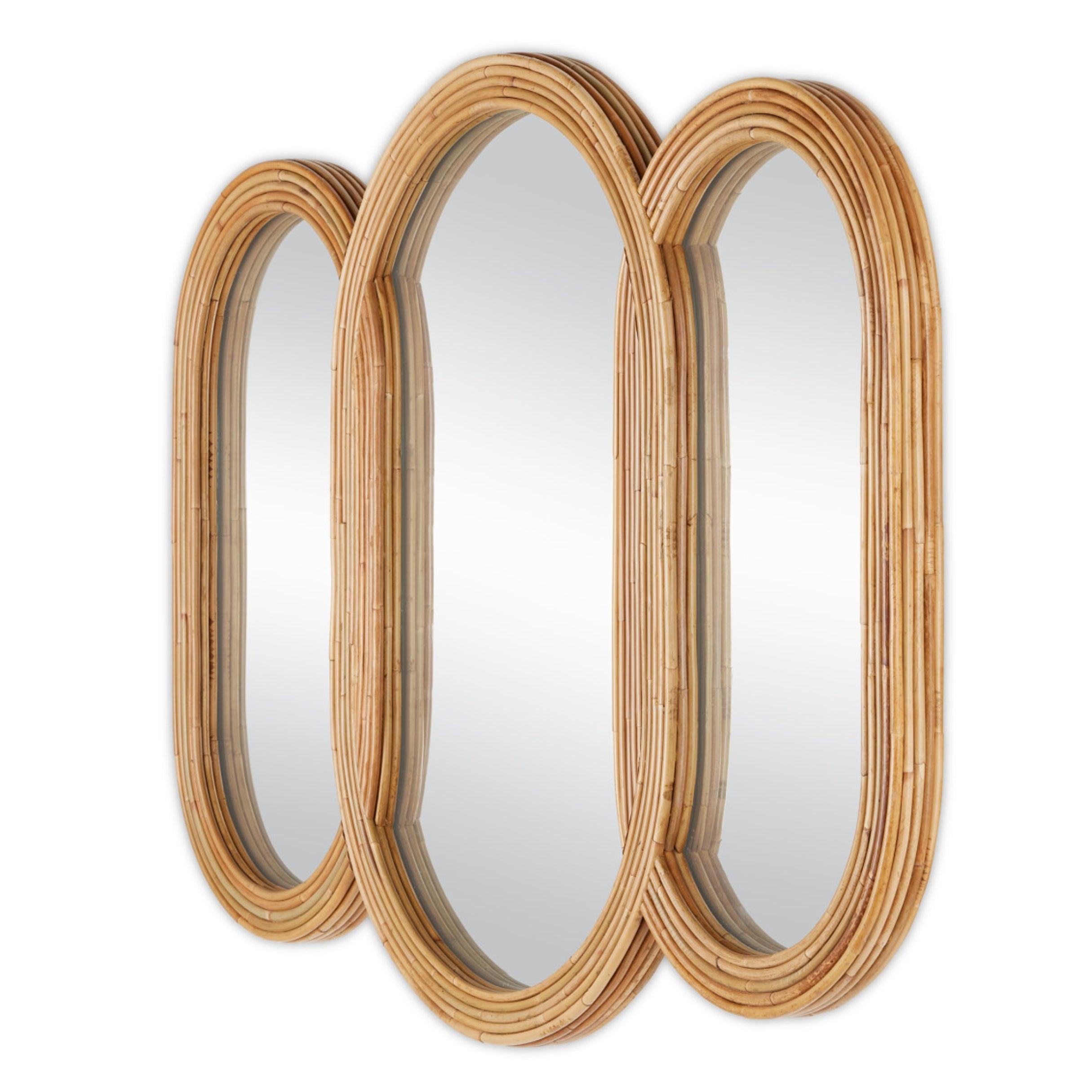
- Hallway Mirrors: Vertical mirrors are best for elongating narrow spaces. Choose slim profiles or a series of evenly spaced mirrors to create a rhythmic effect. In entry halls, full-length or oversized mirrors offer both practicality and the illusion of added height and light.
Frequently Asked Questions
- Should a mirror be centered on a wall or furniture?
Yes. Mirrors look most balanced when centered over sofas, mantels, consoles, or dressers. The visual center should align with surrounding furniture and architectural elements. - Should mirrors match other finishes in the room?
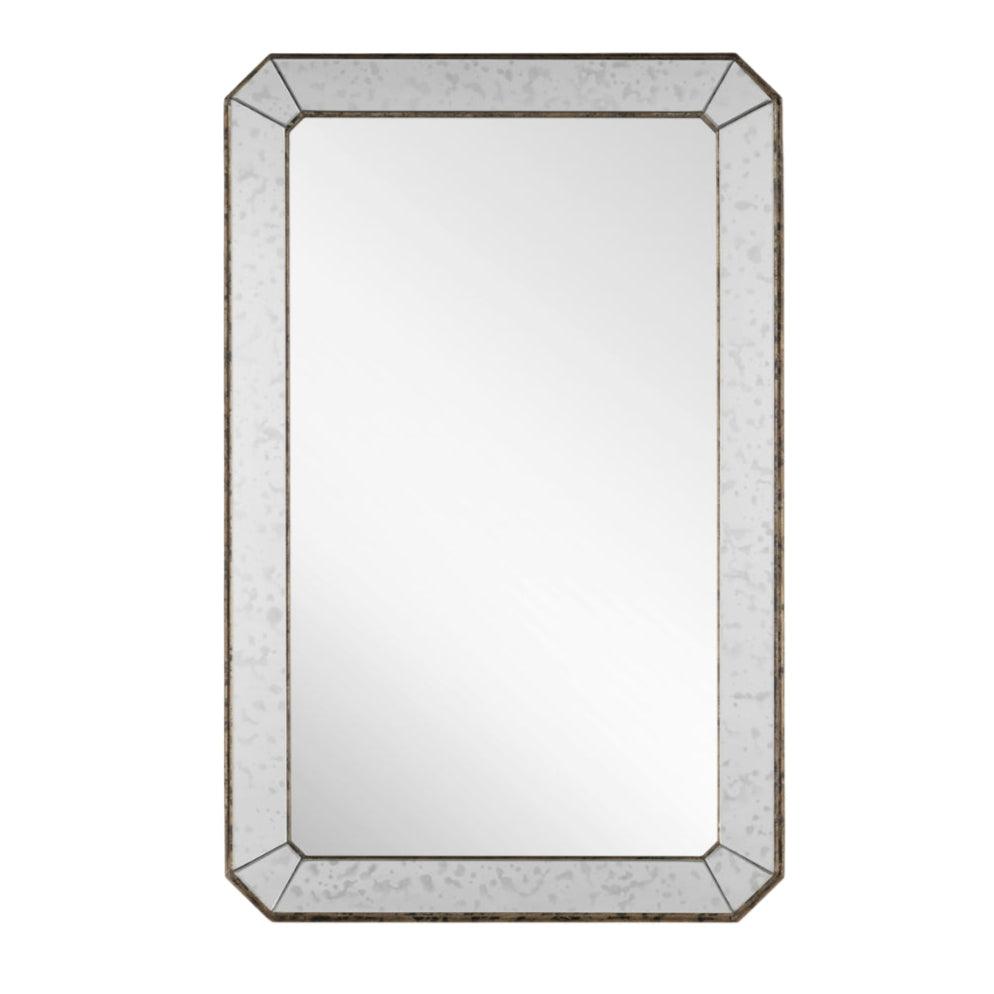
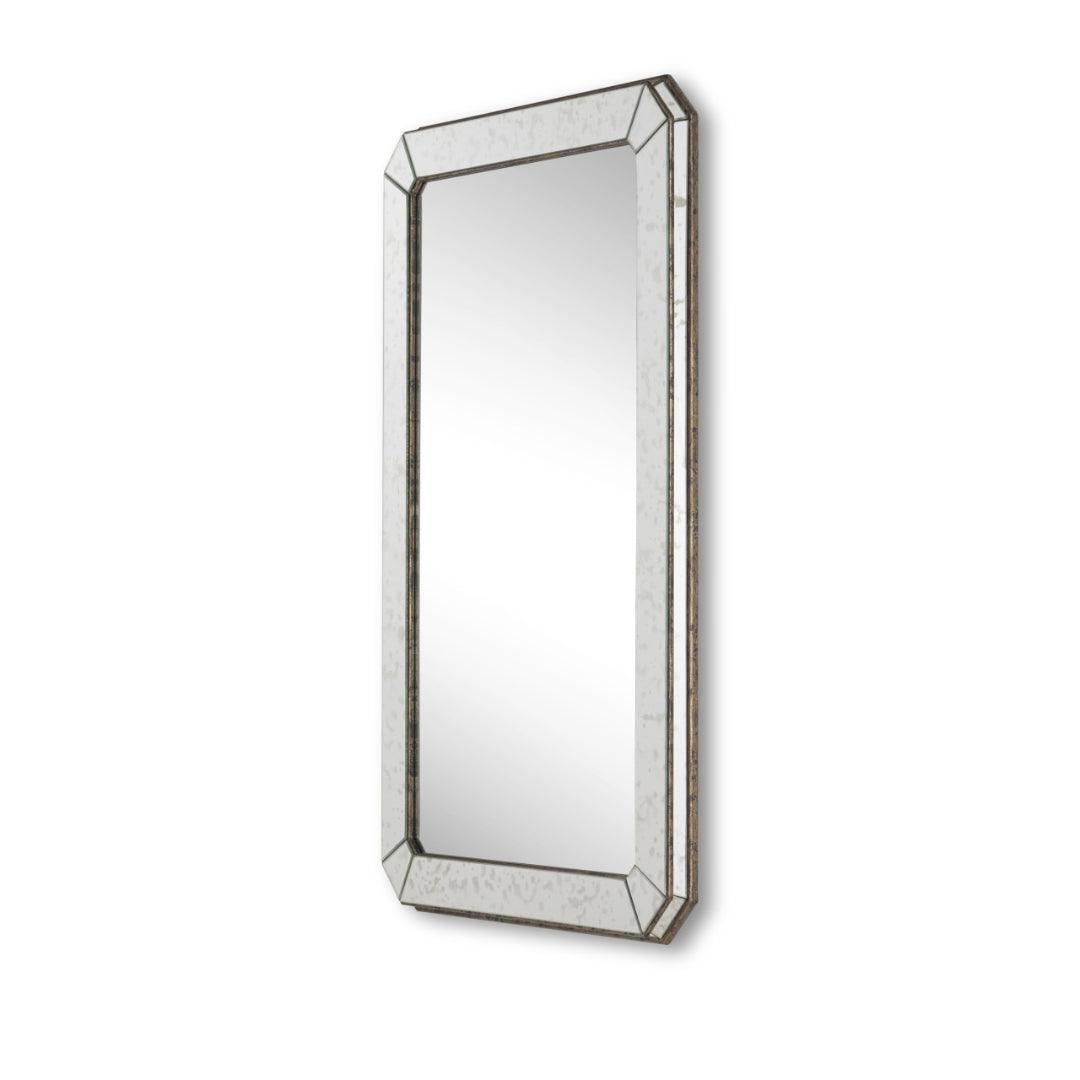
Mirrors don’t need to match exactly, but their frame finish should complement nearby metals, woods, or color tones for a cohesive look. - What is the best way to accentuate a mirror?
Place sconces on either side of a mantel or dining room mirrors, or a light above a mirror to create reflective light.
Pro Tip: Mirrors enlarge a room by reflecting light and views, creating the illusion of depth. Placing mirrors opposite windows or light sources maximizes this effect.
View Related Reflective Collections